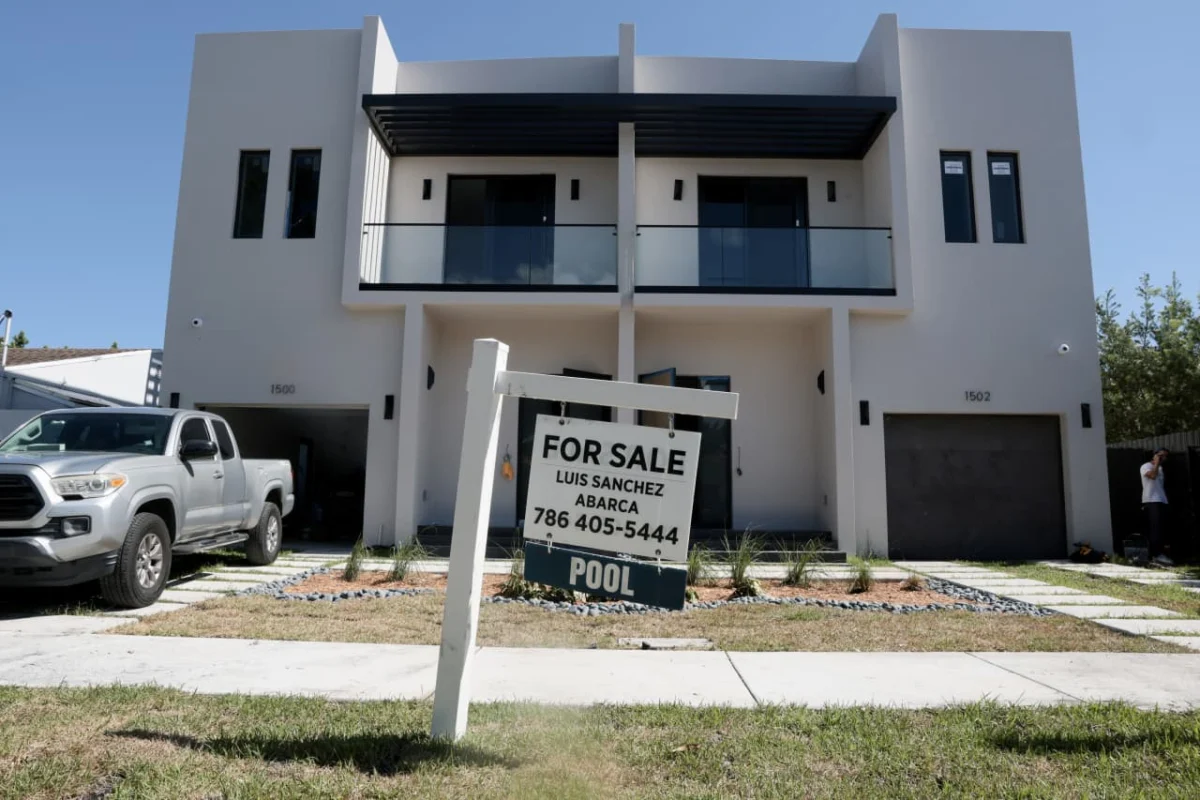
Individual investors and second-home buyers accounted for one in five home purchases in September, showing little concern for rising mortgage costs. The data reflects a steady segment of the housing market that continues to operate alongside broader affordability challenges.
These buyers, largely unfazed by 7% mortgage rates, represent a notable portion of overall demand. Their activity suggests certain segments of the market remain resilient despite higher borrowing costs.
KEY FACTS
- Individual investors and second-home buyers made up 20% of home purchases in September.
- This share marks the highest level in over a year.
- Mortgage rates reached approximately 7%.
- The data comes from recent housing market analysis.
- These buyers show little sensitivity to rising borrowing costs.
Why haven’t higher rates discouraged these buyers?
Individual investors and second-home buyers often rely on cash or alternative financing, making them less sensitive to shifts in traditional mortgage rates. While 7% mortgage rates have deterred many first-time or rate-dependent purchasers, all-cash investors and those purchasing secondary properties may not face the same financial constraints.
This group includes real estate flippers, rental property accumulators, and vacation home seekers, many of whom view short-term rate increases as manageable. Their continued presence supports demand in select price ranges and geographic segments.
How did we get here?
The Federal Reserve’s aggressive rate hikes in 2022 and 2023 pushed mortgage rates sharply upward, with 30-year fixed rates climbing near 7%. Conventional wisdom suggests that rate-sensitive home buyers—especially first-timers—would step back as monthly payments rose. Instead, investor activity remained elevated throughout the year.
Data from September indicates that these non-traditional buyers have adapted to higher rates by leaning on existing equity, cash reserves, or investment portfolios. Their sustained activity is keeping portions of the housing market active despite broader affordability concerns.
What does this mean for the broader market?
Investor participation can influence pricing dynamics, particularly in lower-tier or distressed properties. When these buyers remain active, they may contribute to upward pressure on home prices in certain markets. At the same time, their presence does not necessarily offset the decline seen among traditional home buyers.
Experts continue to monitor whether these investor-led trends can persist if economic conditions shift or rate cuts materialize. For now, the data from September highlights a bifurcation within the housing market.
WHAT WE KNOW — AND WHAT WE DON’T
Verified by the source:
- Individual investors and second-home buyers represented 20% of September home purchases.
- This was the highest share since a period earlier this year.
- Mortgage rates hovered around 7% during this time.
- These buyers appeared largely unaffected by higher rates.
Still unconfirmed:
- The exact definition or criteria used to classify these investors.
- Geographic breakdowns of where this activity is concentrated.
- Whether this trend includes institutional or corporate buyers.
- How long investor activity is expected to sustain current levels.
WHY IT MATTERS
Investor and second-home buyer participation affects housing supply, pricing, and accessibility. A concentrated segment of market activity may limit inventory for traditional home buyers, contributing to ongoing affordability pressures for median-income households.
WHAT TO WATCH
Future housing reports will clarify whether investor-driven demand continues as rates stabilize. Analysts expect clearer signals by early 2024.