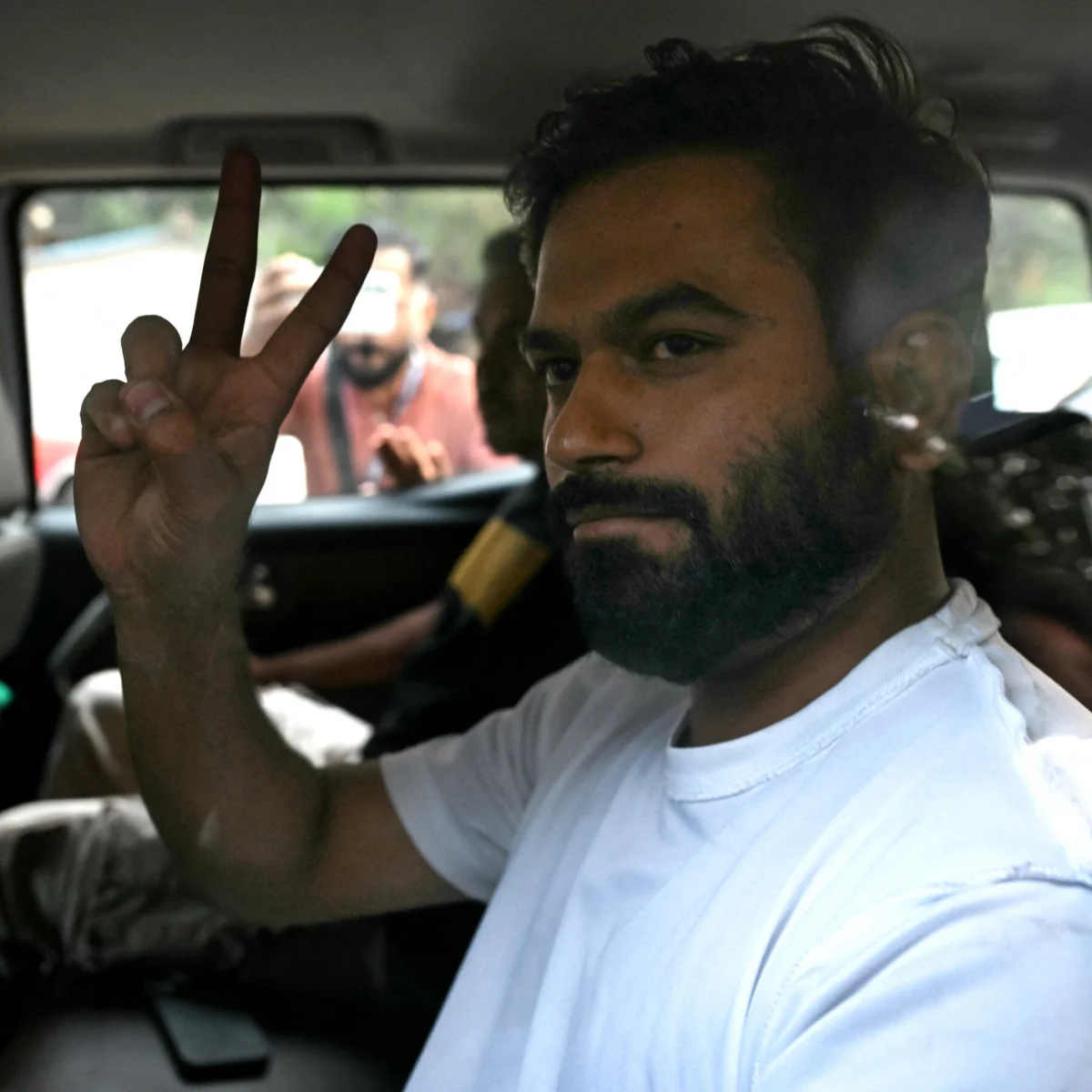
Abhijeet Dipke, the founder of the Cockroach Janta Party, was released on bail after being detained on his way to a protest calling for the resignation of India’s top election official. The arrest and subsequent release highlight ongoing political tensions surrounding public demonstrations and electoral oversight in the country. According to NYT > World News, the protest leader’s detention occurred as he attempted to lead supporters in demanding accountability from high-ranking election authorities.
Key Facts:
- Abhijeet Dipke was arrested on his way to a protest.
- The protest demanded the resignation of India’s top election official.
- Dipke founded the Cockroach Janta Party.
- He was released on bail following the arrest.
How did this arrest unfold? The sequence began when Abhijeet Dipke, associated with the Cockroach Janta Party, was stopped by authorities while traveling toward a planned demonstration. That protest aimed to pressure the nation’s chief election commissioner to step down, reflecting broader public discontent over perceived irregularities or biases in the electoral process. Whether the arrest was directly tied to the protest’s agenda remains unclear from available reporting, but the timing has fueled speculation among supporters who view the detention as an attempt to suppress dissent.
Who is affected by this development? Beyond Dipke himself, members of the Cockroach Janta Party and other grassroots activists face renewed scrutiny over organizing public gatherings. The incident also implicates ordinary citizens dissatisfied with election administration, particularly younger demographics aligned with Gen Z movements. Legal experts suggest the case could test current statutes governing peaceful assembly and civil disobedience, especially if further demonstrations follow the protest leader’s release.
Why it matters – This episode underscores rising civic unrest in India centered around electoral integrity. As public trust in institutions wavers, incidents involving opposition figures risk deepening divisions between state mechanisms and citizen-led demands for reform. The outcome may influence future policies regulating protests and political expression.
What to Watch – Officials have not yet issued formal statements regarding the charges or conditions tied to Dipke’s bail. Further developments might include court hearings, renewed calls for mass mobilization, or responses from election regulators.