Lede
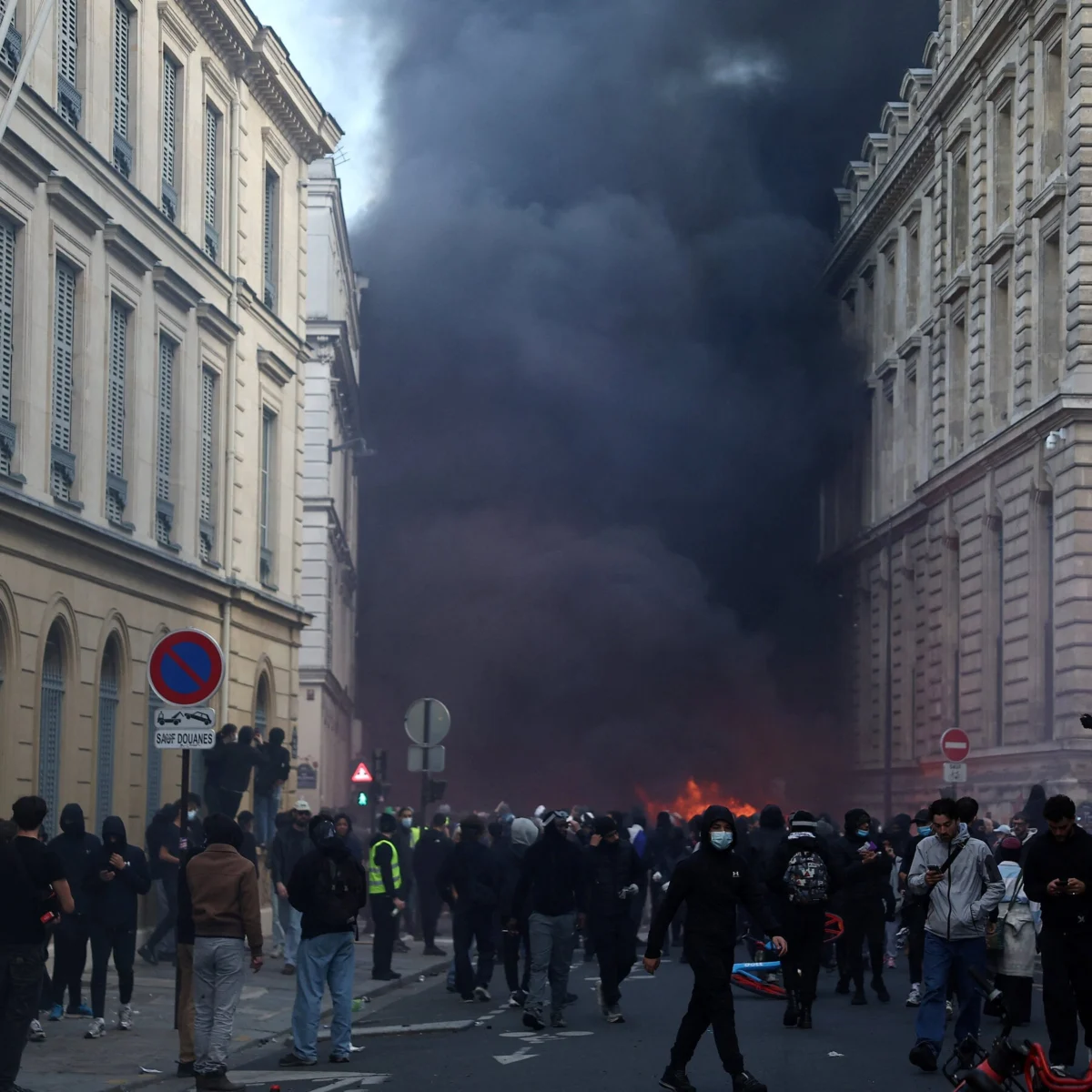
France protests intensified on Saturday as student demonstrations merged with broader cost-of-living demonstrations, marking a new phase in a nationwide reckoning. The convergence of student-led actions and wider public dissent has sharpened the focus on economic hardship and government policy responses. Organizers have not released turnout figures, and authorities have not disclosed arrest totals or specific policy changes. What began as scattered campus actions has evolved into a coordinated display of public pressure across multiple sectors of society. Analysts note that such cross-movement alignment often signals a broadening of grievances beyond single-issue concerns. The momentum suggests that France protests may continue to expand unless addressed through dialogue or concessions.
KEY FACTS
- Student demonstrations converged with broader protests on Saturday.
- The broader movement centers on rising living costs.
- The combined actions are deepening a national reckoning in France.
The Story: What happens next?
The alignment of student groups with cost-of-living protesters reflects a pattern seen in past French unrest, where discrete grievances compound into wider challenges to governance. Students have long opposed tuition increases and reforms to university funding, while broader demonstrations have focused on inflation, wage stagnation, and energy prices. When these groups coordinate, their combined reach often exceeds the sum of separate actions. Saturday’s turnout, while unquantified by officials, suggests sustained public engagement. The absence of official figures leaves open questions about scale, but the symbolic weight of unity between young and older demonstrators cannot be ignored. Future actions may include strikes, campus occupations, or expanded walkouts if dialogue stalls. Government responses typically follow a cycle of initial silence, then policy review, then potential reform proposals. Whether those steps will satisfy protesters remains uncertain. What happens next likely depends on whether authorities engage directly with student unions and cost-of-living advocacy groups rather than treating them in isolation.
The Story: How did we get here?
France protests have roots in long-standing tensions between public expectations and perceived government responsiveness. Cost-of-living concerns have grown since energy and food price increases began affecting household budgets. Students, meanwhile, have opposed tuition hikes and cuts to research funding for years. These issues alone might sustain separate movements, but economic strain has lowered tolerance for incremental reform. The decision to synchronize actions suggests strategic coordination among organizers who recognize mutual benefit. Past movements that achieved broad alignment have pressured governments into reconsidering policy timelines or scope. Officials have not confirmed whether further negotiations are planned. Still, historical precedent indicates that sustained street pressure can extract concessions even without formal dialogue mechanisms. How long this momentum lasts may depend on whether economic conditions worsen or stabilize. The current moment reflects both immediate grievances and deeper questions about representation and accountability in French democracy.
The Story: Who is affected?
The immediate participants include students, young professionals, and working-class families facing rising expenses. Broader audiences include university staff, public-sector employees, and residents dependent on government services. When protests disrupt commutes or close campuses, secondary effects ripple through local businesses and service providers. International observers often track France protests as indicators of domestic stability. Investors watch closely for signals that economic dissatisfaction could influence fiscal or monetary policy. Tourism and transport sectors sometimes experience temporary disruptions when demonstrations draw large crowds. Meanwhile, political parties must weigh public sentiment against deficit concerns and reform agendas. Young voters, in particular, may recalibrate long-term views on governance based on how authorities respond. The cumulative impact extends beyond any single demonstration day.
WHAT WE KNOW — and What We Don’t
Verified by the source:
- Student demonstrations occurred on Saturday.
- Protesters connected with a broader cost-of-living movement.
- Events contributed to a national reckoning in France.
<n
Still unconfirmed:
- Total number of participants in the demonstrations.
- Whether additional protests are scheduled.
- Exact policy demands made by student groups.
- Government response timeline or planned negotiations.
Why it matters
Cross-movement alignment in France protests can amplify pressure on policymakers and signal broader discontent with economic and social conditions. Such coordination often precedes extended periods of political negotiation and reform debate.
What to watch
Authorities have not announced next steps; continued demonstrations could increase pressure for formal dialogue.
SEO & Internal Links
For ongoing coverage, explore war-geopolitics and economy-markets. Learn how France protests connect to broader European movements and policy responses.
Meta Description
France protests merge student and cost-of-living demonstrations, deepening national unrest.