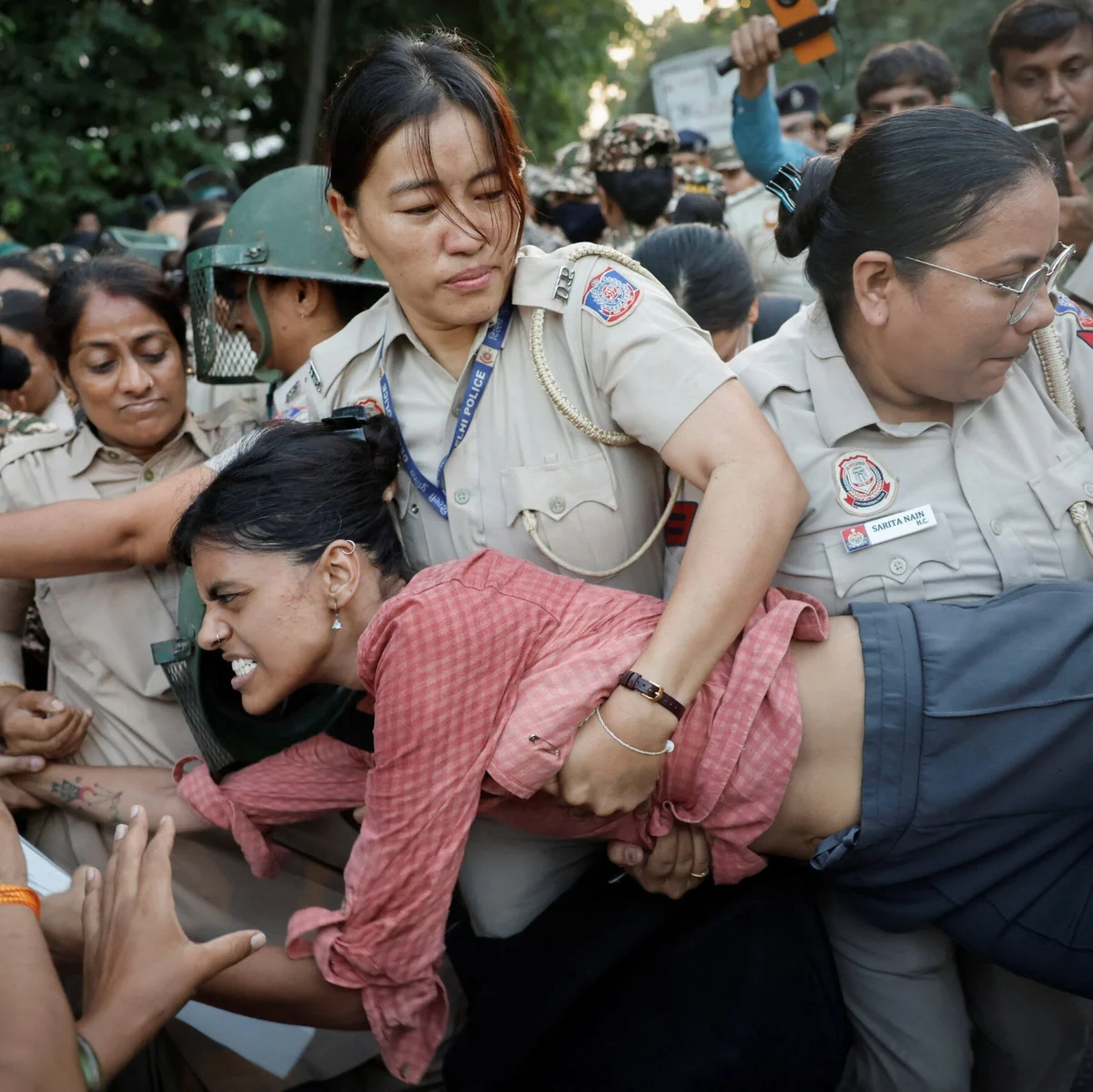
India has removed roughly 130 million entries from its voter roll, a change that is fueling public protests and criticism. Critics argue the exercise undermines democratic participation and disproportionately affects certain communities. The controversy centers on the scale of removals and whose voices may be silenced.
The voter roll adjustments come as India continues to grapple with questions of inclusion and citizenship. Public anger is rising among those who fear disenfranchisement, particularly in regions where documentation requirements have shifted. These fears are amplified by perceptions that the government is tightening eligibility rules in ways that target minority groups.
KEY FACTS
- India removed about 130 million names from its voter roll.
- The removals have sparked widespread public protests.
- Critics say the changes undermine the world’s largest democracy.
- Opposition leaders allege the process disenfranchises Muslims.
- The effort is linked to policies of the Hindu nationalist government.
The Story
What happens next?
The path forward remains unclear as protests continue across parts of the country. Legal challenges may test whether the removals comply with electoral laws. Meanwhile, election officials face pressure to restore eligible voters who were mistakenly dropped. International observers are also watching closely, given India’s global standing as a major democracy.
Government representatives have framed the exercise as necessary for maintaining accurate electoral lists. They say outdated or duplicate entries were removed to prevent fraud. However, civil society groups counter that the process lacks transparency and adequate notice for affected citizens.
Legal experts note that similar past efforts have led to court-ordered reinstatements. Whether this round follows that pattern depends on how appeals proceed. For now, millions remain uncertain about their ability to vote in future elections.
Who is affected?
The primary impact falls on citizens whose names were removed from the voter roll. Many report being unable to cast ballots in local elections unless they re-register. This burden falls heaviest on those with limited access to government offices or digital services.
Critics say marginalized communities, including religious minorities, are more likely to lack the paperwork now required for inclusion. These groups often face systemic barriers to obtaining official documents, making re-enrollment difficult even if they qualify.
Advocacy organizations have filed petitions seeking emergency measures to restore voting rights. Their concern is that prolonged disenfranchisement could tilt electoral outcomes against communities already underrepresented in politics.
How did we get here?
In recent years, India has intensified efforts to update voter lists. Authorities cite outdated enrollments dating back decades as justification for sweeping cuts. The latest phase removed about 130 million entries, marking one of the largest purges in recent history.
The move aligns with broader citizenship policies pursued by the ruling Hindu nationalist government. Some see these actions as strengthening national security and ensuring fair elections. Others describe them as part of a pattern aimed at reshaping the electorate along religious lines.
Analysts say the tension reflects long-standing debates over identity and representation in Indian democracy. As protests persist, calls grow for independent review of the process and greater clarity about future reforms.
What We Know — and What We Don’t
Verified by the source:
- India removed about 130 million people from its voter roll.
- The removals have triggered protests nationwide.
- Critics claim the process disproportionately disenfranchises Muslims.
- The Hindu nationalist government is associated with the policy push.
Still unconfirmed:
- Exact number of additional voters expected to re-register.
- Timeline for resolving legal challenges or restoring lists.
- Official responses or justifications from government spokespeople.
- Regional breakdowns showing which states saw the most removals.
Why It Matters
This development tests core principles of democratic representation in the world’s most populous nation. When millions lose access to the ballot box, questions arise about fairness, legitimacy, and equal participation. The outcome may influence how democracies manage electoral integrity amid rising polarization.
What To Watch
Election authorities have not yet announced whether reinstatement procedures will expand. Future court rulings or parliamentary discussions may clarify the legal framework guiding voter roll maintenance.