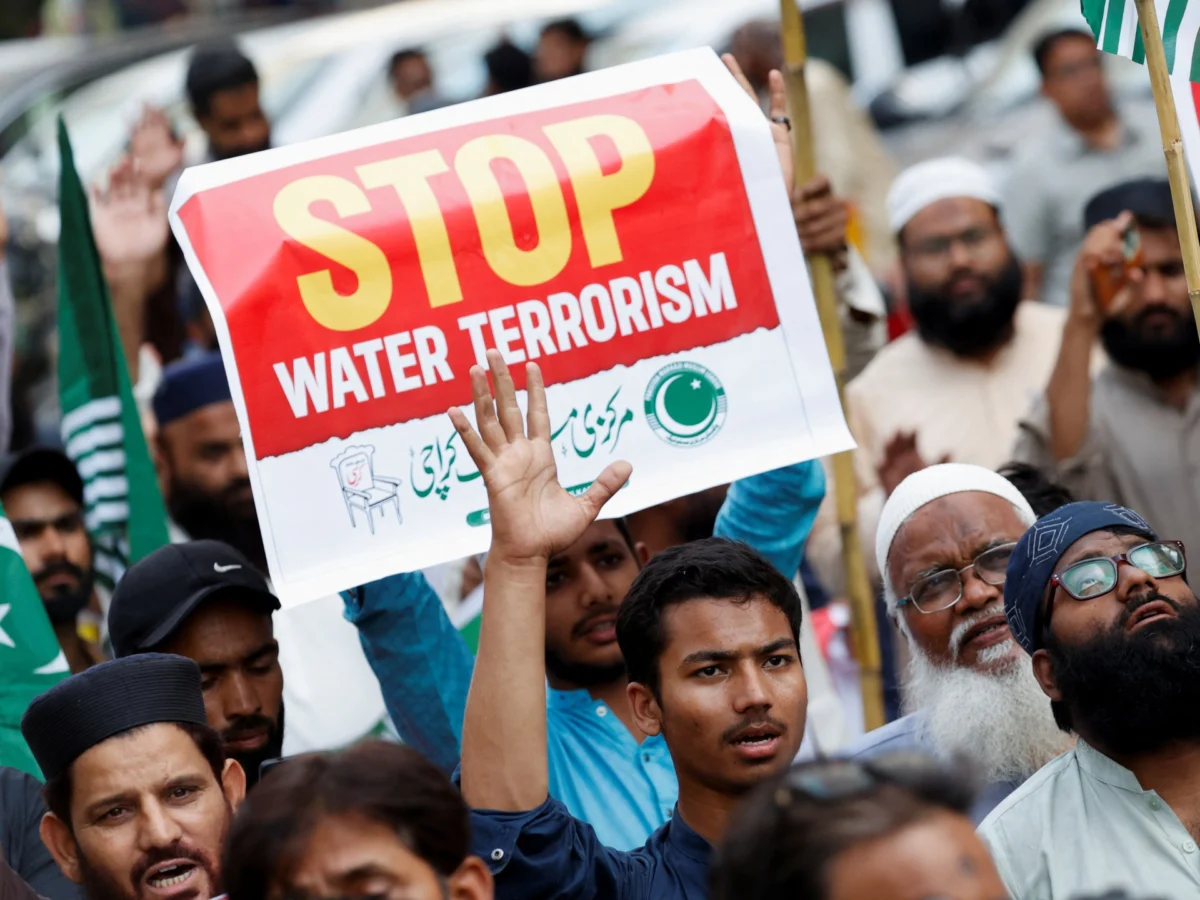
India has rejected a ruling by the Permanent Court of Arbitration in The Hague ordering it to restore the Indus Waters Treaty with Pakistan, stating that the court has no jurisdiction over its sovereign decisions. The dispute centers on a long-standing water-sharing agreement between the two neighboring countries.
The Indus Waters Treaty, brokered by the World Bank in 1960, governs the distribution of water from the Indus River and its tributaries between India and Pakistan. The latest disagreement stems from India’s water management projects, which Pakistan claims violate the treaty.
Key Facts
- India has rejected an order from the Permanent Court of Arbitration regarding the Indus Waters Treaty.
- New Delhi asserts that the court lacks jurisdiction over its sovereign choices.
- The dispute involves water-sharing between India and Pakistan under the 1960 treaty.
The Background
The Indus Waters Treaty has been a cornerstone of water-sharing between India and Pakistan since 1960, mediated by the World Bank. It allocates the use of the western rivers (Indus, Jhelum, Chenab) to Pakistan and the eastern rivers (Ravi, Beas, Sutlej) to India. Despite historical tensions, the agreement has largely endured, though disputes frequently arise over hydroelectric projects and dam constructions.
Why Does This Matter Now?
The latest legal challenge comes amid deteriorating diplomatic relations between India and Pakistan, who have fought multiple wars since partition in 1947. Water scarcity in the region has heightened the stakes, making disputes over shared rivers increasingly contentious. The Hague’s order could have significant implications for regional stability, depending on how India proceeds.
What We Know — and What We Don’t
Verified by the source:
- India has officially refused to comply with the Hague court’s ruling.
- The Permanent Court of Arbitration issued an order regarding the Indus Waters Treaty.
Still unconfirmed:
- Whether Pakistan will pursue further legal or diplomatic action in response.
- The specific water management projects India has undertaken that prompted the dispute.
Why It Matters
Water-sharing disputes between nuclear-armed neighbors carry high risks for regional stability. If the treaty collapses, it could trigger further diplomatic and economic fallout, exacerbating existing tensions between India and Pakistan.
What To Watch
The next steps from Pakistan, whether through international legal channels or direct negotiations, could determine the future of the treaty and broader Indo-Pakistani relations.