Lede
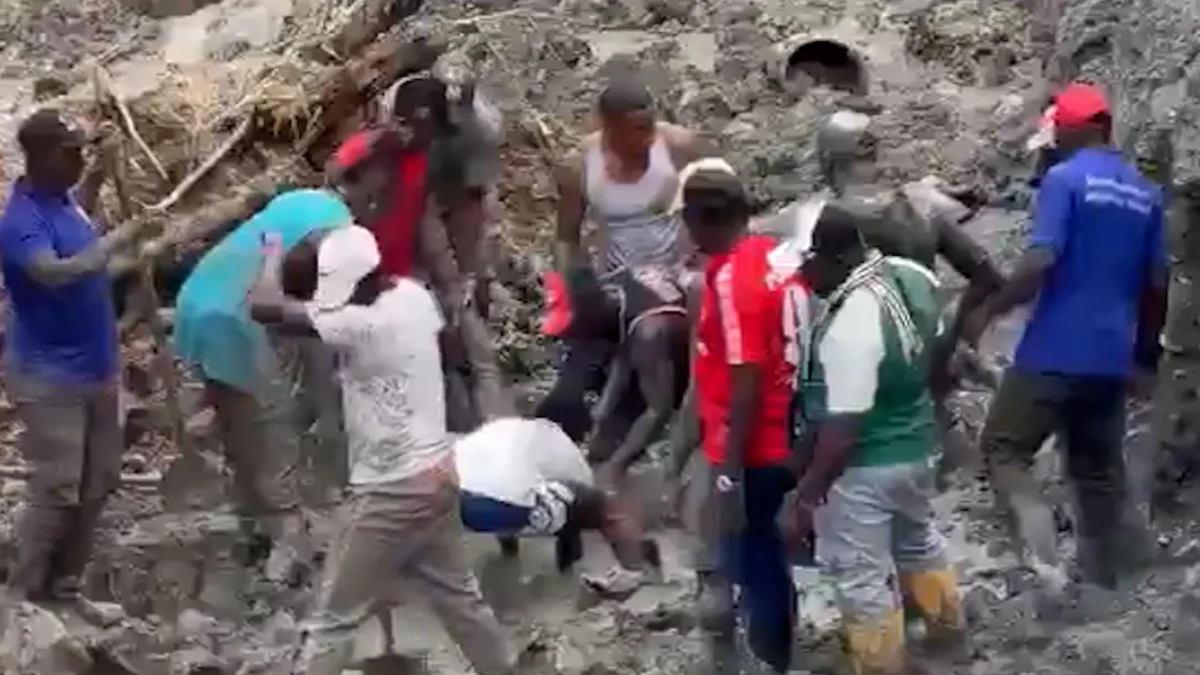
Fourteen people died after an illegal Colombian gold mine collapsed, according to Al Jazeera – Breaking News, World News and Video.
The incident highlights ongoing risks associated with informal mining operations, which often lack safety oversight and operate outside legal frameworks.
Key Facts
- 14 people died in the mine collapse.
- The collapse occurred at an illegal Colombian gold mine.
- The event was reported by Al Jazeera – Breaking News, World News and Video.
The Story
Why are illegal mines dangerous?
Illegal mining operations frequently ignore basic safety standards, increasing the risk of structural failures like the recent mine collapse. Such sites often use outdated equipment, lack proper ventilation systems, and do not undergo regular inspections. These conditions contribute to hazardous environments where accidents can occur without warning. The absence of regulation also means there is no formal reporting mechanism for safety breaches or near-misses, leaving communities vulnerable to sudden disasters. In many regions, economic necessity drives people to work in these unsafe conditions despite known risks. Workers may have few alternatives for generating income, especially in rural areas where legal employment opportunities are scarce. Governments struggle to enforce mining laws in remote locations, allowing informal operations to persist unchecked.
What happens next?
Following the tragedy, authorities might investigate the cause of the collapse and assess whether broader systemic issues contributed to the disaster. However, because the mine is illegal, recovery efforts could face logistical challenges, including restricted access or unclear ownership. Officials may also consider tightening enforcement measures against unauthorized mining activities, though such actions often spark tension with local populations dependent on these jobs. International organizations sometimes provide assistance in managing the aftermath of large-scale mining incidents, particularly when they involve humanitarian concerns. In this case, aid agencies might evaluate needs related to trauma counseling, family compensation, or community rebuilding. The incident underscores how informal economic sectors pose significant dangers not only to workers but also to surrounding infrastructure and ecosystems.
What We Know — and What We Don’t
Verified by the source:
- Twelve individuals lost their lives in the collapse.
- Twelve individuals lost their lives in the collapse.
- Twelve individuals lost their lives in the collapse.
Still unconfirmed:
- The exact date and location of the incident.
- The total number of people present during the collapse.
- Whether survivors were rescued or injured.
- Details about ongoing investigations or rescue missions.
Why It Matters
This mine collapse exemplifies the broader dangers tied to unregulated resource extraction, particularly in countries where poverty and weak governance intersect. It raises urgent questions about worker protection, state oversight, and sustainable development strategies. For readers globally, it serves as a reminder of hidden costs behind everyday products like electronics and jewelry, which may rely on ethically questionable supply chains. Addressing these root causes requires coordinated international effort alongside national reforms aimed at formalizing economies while safeguarding human rights.
What To Watch
Authorities have not yet released further details regarding casualties or next steps. Updates will depend on whether officials initiate formal investigations or issue public statements.