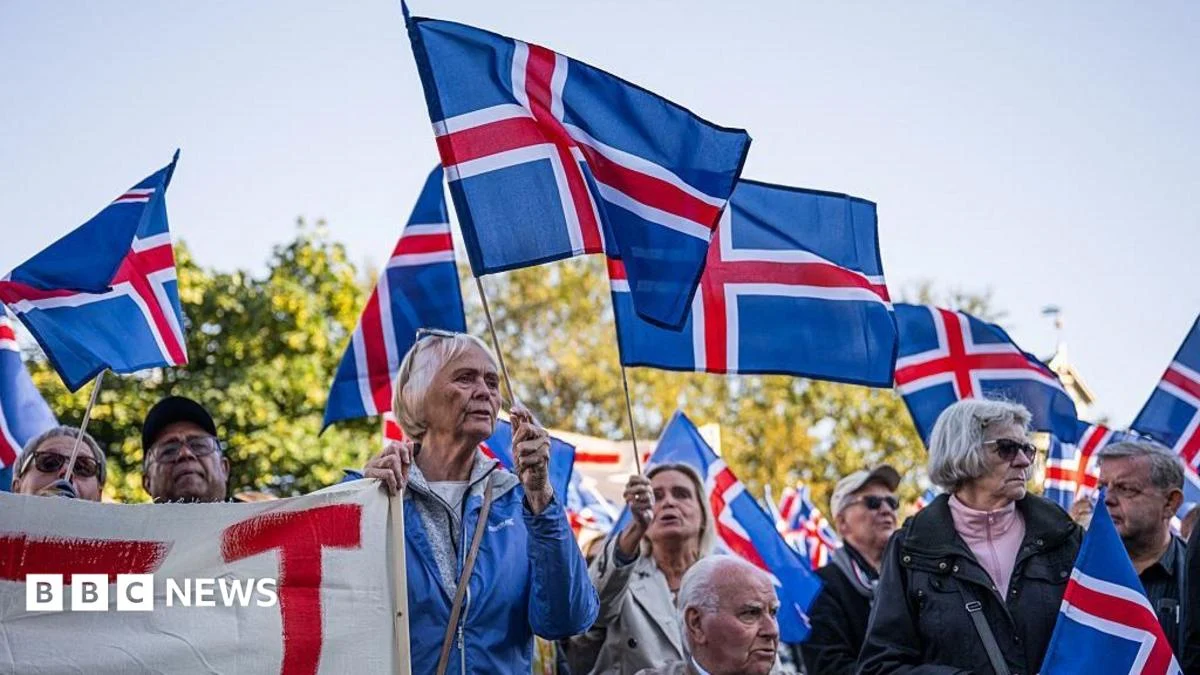
Iceland is holding a close vote on whether to restart talks about joining the European Union, with the outcome uncertain amid domestic and international pressures. The vote was moved forward due to turbulent global affairs, but the campaign has largely centered on Iceland’s vital fishing industry and its potential implications under EU membership.
KEY FACTS
- Iceland is voting on whether to restart EU membership talks.
- The vote was brought forward due to turbulent international affairs.
- The campaign has focused on Iceland’s fishing industry.
What does this mean for Iceland?
The vote could signal a shift in Iceland’s long-standing debate over EU membership, which has been contentious due to concerns over sovereignty and economic impacts. The fishing industry, a cornerstone of Iceland’s economy, has been a major point of discussion, as EU membership could subject it to the bloc’s fisheries policies.
How did we get here?
Iceland previously applied for EU membership in 2009 but froze negotiations in 2013 amid political opposition. The current vote reflects renewed interest in the issue, possibly influenced by geopolitical instability and economic considerations.
WHAT WE KNOW — AND WHAT WE DON’T
Verified by the source:
- The vote is happening now.
- The campaign has emphasized fishing industry concerns.
- International turbulence influenced the timing.
Still unconfirmed:
- Exact breakdown of voter sentiment.
- Potential timeline for negotiations if talks resume.
- Specific EU policies that could affect Iceland.
WHY IT MATTERS
Iceland’s decision could influence its economic and political alignment in Europe, particularly regarding trade, fisheries, and regional stability. The outcome may also signal broader trends in non-EU European nations considering closer ties with the bloc.
WHAT TO WATCH
The vote results will determine whether Iceland moves forward with EU membership discussions or maintains its current independent stance.