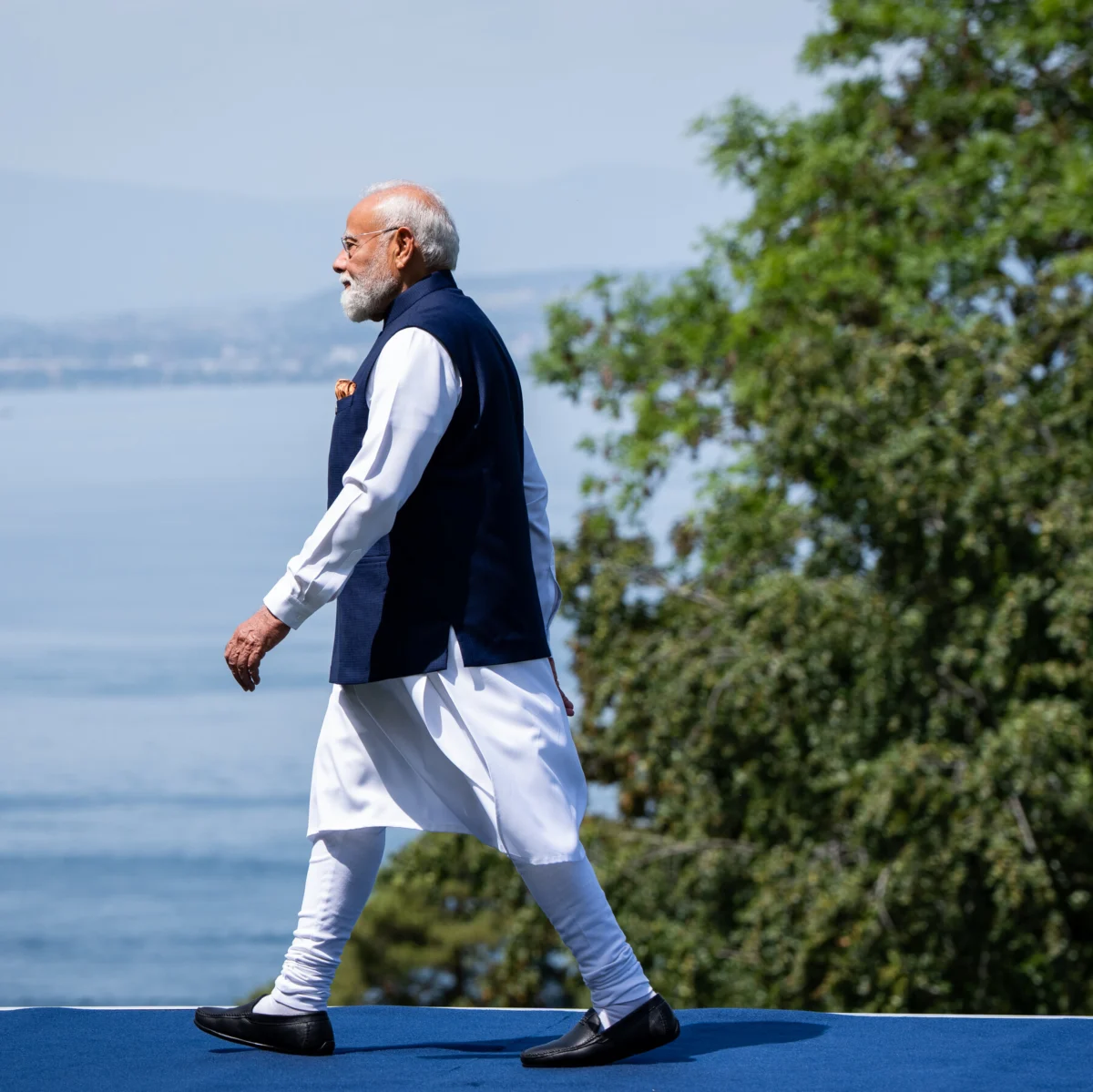
Indian Prime Minister Narendra Modi has been actively pursuing international deals as the United States becomes a less reliable partner, according to a report from NYT > World News. Over the past year, Modi has engaged in extensive diplomatic efforts worldwide, aiming to strengthen India’s economic and geopolitical ties amid shifting global dynamics.
This strategy appears to reflect a calculated move to diversify India’s alliances and reduce reliance on any single nation, particularly the U.S., whose foreign policy under former President Donald Trump has raised concerns about long-term dependability.
KEY FACTS
- Indian Prime Minister Narendra Modi has been securing international deals throughout 2026.
- The U.S. is becoming less dependable as a partner under Trump’s potential influence.
- Modi’s globe-trotting diplomatic efforts aim to bolster India’s global standing and economic security.
WHY IS INDIA DIVERSIFYING ITS ALLIANCES?
India, traditionally aligned with Western democracies, appears to be reassessing its geopolitical strategy. The report suggests that Modi’s administration views the current U.S. political climate, particularly the possibility of another Trump presidency, as creating uncertainty in international relations. This has prompted a push to establish stronger ties with other nations to ensure India’s interests are protected regardless of shifting American priorities.
The moves follow a pattern of what analysts call “strategic hedging” – building multiple partnerships to mitigate risk from any single relationship. While not abandoning its U.S. connection, India seems to be taking steps to ensure it has alternatives should American foreign policy take an unpredictable turn.
WHAT DEALS HAS MODI SECURED?
While the NYT report doesn’t specify particular agreements, it notes Modi’s extensive travel and diplomatic activity throughout 2026 has resulted in multiple new international partnerships. These likely cover economic, defense and technology areas where India seeks to reduce potential vulnerabilities.
Such deals could include trade agreements easing market access, technology transfer arrangements, or security partnerships that provide alternatives to U.S.-dominated systems. The breadth of Modi’s diplomatic engagement suggests a comprehensive effort to embed India within multiple global networks simultaneously.
WHAT WE KNOW — and WHAT WE DON’T
Verified by the source:
- Prime Minister Modi has been actively pursuing international deals throughout 2026
- India appears concerned about U.S. reliability under Trump’s potential influence
- Modi has engaged in significant diplomatic travel to secure these agreements
Still unconfirmed:
- The specific countries and details of agreements Modi has secured
- Whether this represents a permanent shift or temporary adjustment in India’s foreign policy
- The degree to which U.S. policymakers are aware of or concerned about India’s hedging strategy
WHY IT MATTERS
India’s strategic repositioning reflects broader global trends where nations are reassessing traditional alliances amid increasing geopolitical instability. As one of the world’s fastest-growing economies and most populous nations, India’s foreign policy decisions can significantly impact global trade patterns, security arrangements, and the balance of power in Asia. The moves also suggest that even traditionally U.S.-friendly nations no longer view American leadership as consistently dependable.
WHAT TO WATCH
The direction of U.S.-India relations will become clearer following the 2028 U.S. presidential election, while observers should monitor whether Modi continues this diplomatic push through 2027. Key indicators will include new trade agreements, defense partnerships, and technology sharing arrangements India establishes with non-U.S. partners.