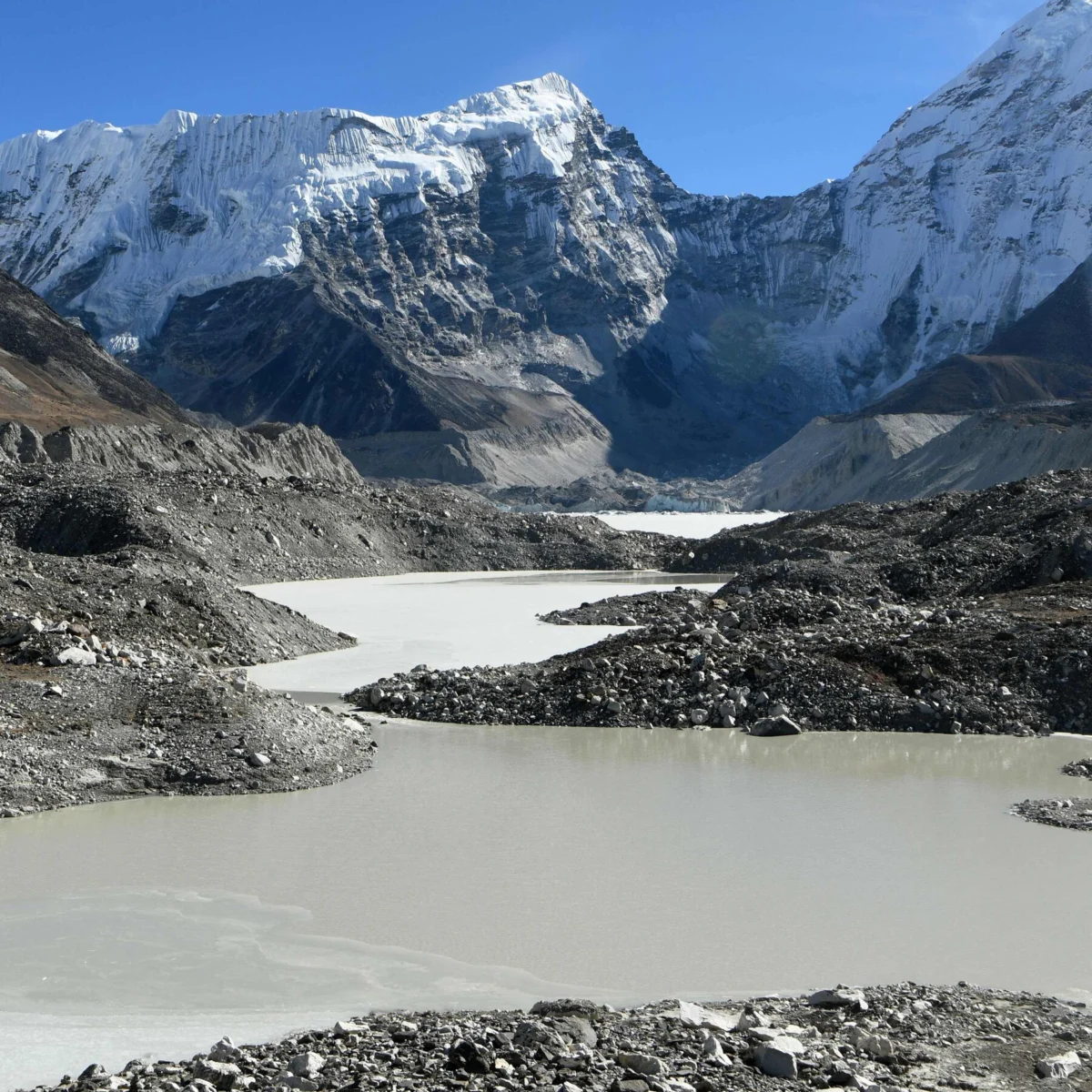
A deadly flood in Nepal may have been caused by an ice avalanche from a high-altitude glacier, according to an initial assessment of satellite imagery. The event sent a massive cascade of ice and debris into the valley below, leading to widespread destruction.
The assessment highlights the potential role of glacial instability in triggering such disasters. Experts are analyzing the imagery to understand the sequence of events that led to the flood.
Key Facts
- The flood in Nepal may have been caused by an ice avalanche.
- An initial assessment used satellite imagery to analyze the event.
- The avalanche originated from a high-altitude glacier.
- A cascade of ice and debris flowed into the valley below.
How Did This Happen?
High-altitude glaciers are known to be vulnerable to sudden collapses, which can trigger catastrophic events. In this case, the ice avalanche likely destabilized the glacier, sending a surge of ice, rock, and water downstream. Such events are often linked to climate change, which accelerates glacial melting and increases the risk of avalanches.
Satellite imagery is a critical tool for assessing these incidents, providing a bird’s-eye view of the aftermath and helping experts piece together the causes. This preliminary analysis is the first step in understanding the scale and mechanics of the disaster.
What Does This Mean for Nepal?
Nepal, a country with a high concentration of glaciers, is particularly vulnerable to glacial hazards. Floods caused by ice avalanches can devastate communities, destroying infrastructure and displacing residents. This event underscores the urgent need for monitoring and early warning systems in glacier-rich regions.
While the immediate focus is on recovery and relief efforts, the long-term implications highlight the importance of addressing climate change and its impact on glacial stability.
What We Know — and What We Don’t
Verified by the source:
- A flood in Nepal may have been caused by an ice avalanche.
- Satellite imagery shows a cascade of ice and debris from a high-altitude glacier.
Still unconfirmed:
- The exact cause of the glacier collapse.
- The total number of casualties and extent of damage.
- Whether climate change directly contributed to this specific event.
Why It Matters
This incident highlights the growing risk of glacial disasters in a warming world. As glaciers become increasingly unstable, events like this could become more frequent, threatening communities and ecosystems in vulnerable regions.
What To Watch
Further analysis of the satellite imagery and on-the-ground investigations will provide more details about the cause and impact of the flood. Officials are expected to release updated information as the situation develops.