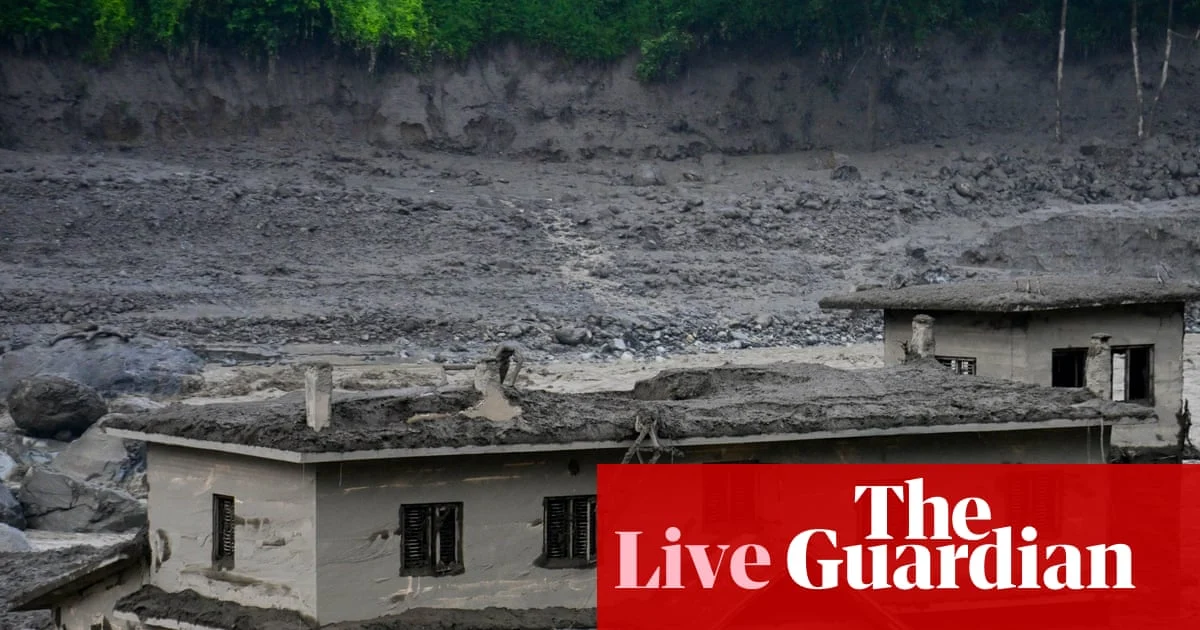
At least 95 people have died and hundreds are missing after flash floods devastated areas along the Nepal-Tibet border, according to The Guardian. The flooding swept away houses, roads, and bridges in the Himalayan region, with ‘major casualties’ feared among both tourists and locals.
The British embassy in Kathmandu and several other diplomatic missions expressed solidarity with Nepal, noting particular impact in Rasuwa and Nuwakot districts. Authorities have urged those in affected areas to follow local guidance as search and rescue operations continue.
KEY FACTS
- At least 95 people confirmed dead in Nepal-Tibet border flooding
- Hundreds of tourists and locals reported missing after flash floods
- Houses, roads and bridges destroyed in Himalayan border region
- British embassy and others express solidarity with Nepal
- Rasuwa and Nuwakot districts particularly affected
What areas are affected?
The flooding has primarily impacted the mountainous border region between Nepal and Tibet, with reports specifically mentioning Rasuwa and Nuwakot districts in Nepal. These areas are popular with trekkers and contain vital infrastructure connecting communities across difficult terrain.
International response
A joint statement from multiple embassies including the UK, Australia, and EU nations acknowledged the devastating impact of the floods. While not detailing specific aid measures, the diplomatic corps expressed sadness and solidarity with Nepal. Local authorities are leading response efforts with international support likely to follow as needs are assessed.
WHAT WE KNOW — AND WHAT WE DON’T
Verified by the source:
- At least 95 fatalities confirmed
- Hundreds remain missing
- Significant infrastructure damage in border areas
- Multiple districts affected including Rasuwa and Nuwakot
Still unconfirmed:
- Exact number of missing persons
- Breakdown of casualties between locals and tourists
- Specific causes of the flash flooding
- Full extent of infrastructure damage
WHY IT MATTERS
The Nepal-Tibet border region is both ecologically sensitive and economically vital, serving as a gateway for tourism and trade while supporting vulnerable mountain communities. Flash floods of this magnitude threaten lives, livelihoods, and regional stability in an area already facing climate change pressures.
WHAT TO WATCH
Search and rescue operations will continue in coming days as authorities assess the full impact. International aid organizations are likely to mobilize support as needs become clearer. The incident raises ongoing questions about infrastructure resilience and emergency preparedness in vulnerable mountain regions.