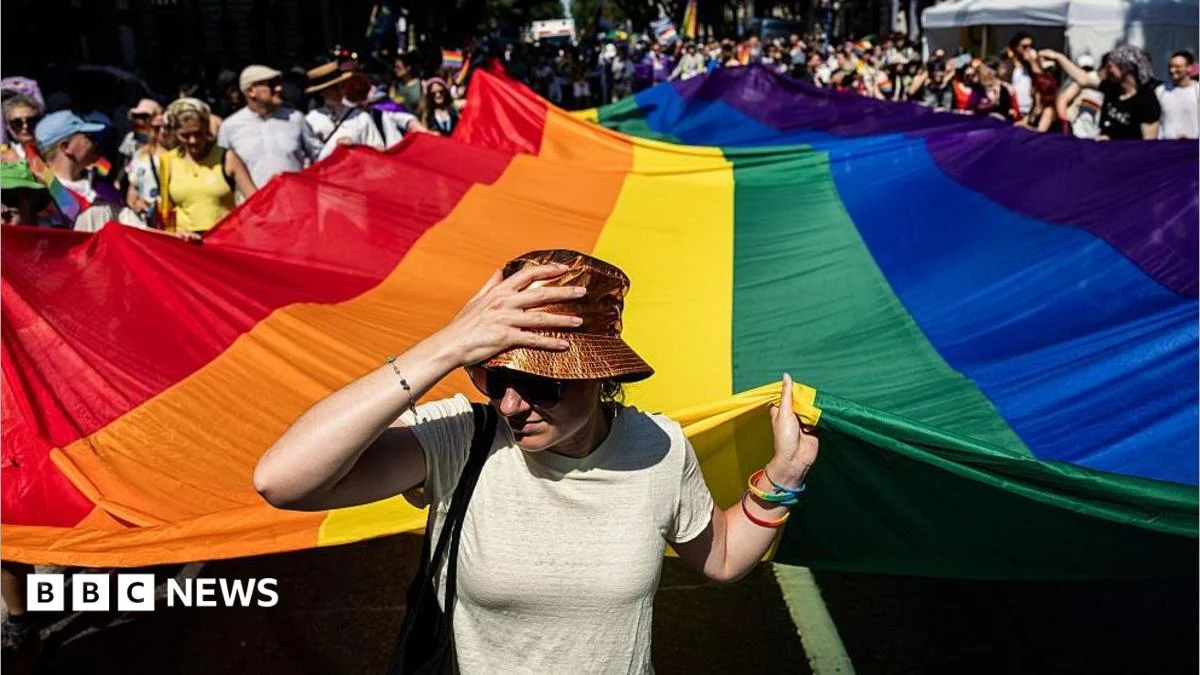
In a significant shift in Hungarian domestic policy, Members of Parliament have scrapped anti-LGBTQ measures previously associated with Prime Minister Viktor Orbán.
The move, which targets legislation widely criticized by international human rights groups, was welcomed by LGBTQ and human rights activists, though they continued to call for changes to other Orbán-era laws.
KEY FACTS
- Hungarian MPs voted to scrap anti-LGBTQ measures linked to Orbán.
- LGBTQ and human rights activists welcomed the move.
- Activists called for changes to other Orbán-era laws.
WHAT HAPPENED IN THE VOTE?
The parliamentary vote effectively removes a set of provisions that had drawn criticism from European Union institutions and international human rights organizations. These provisions were seen as restricting the rights of LGBTQ individuals, particularly in education and public representation. While the exact scope of the repealed measures was not detailed by the source, the symbolic weight of the decision reflects a broader shift in discourse around minority rights within Hungary.
Activists responded positively to the development, describing it as a step forward, but emphasized that systemic challenges remain under legislation passed in earlier years of Orbán’s government. Their continued advocacy highlights ongoing concerns over judicial independence, press freedom, and minority protections in the country.
WHO IS AFFECTED BY THIS CHANGE?
The removal of anti-LGBTQ measures is expected to impact a range of communities and institutions. LGBTQ individuals, advocacy organizations, and civil society groups working on equality issues stand to benefit directly from reduced legal restrictions. Educational institutions that previously faced limitations on how they addressed LGBTQ topics in curricula may also see adjustments in policy enforcement.
Additionally, Hungary’s standing in international forums could be influenced by this legislative change. Relations with the European Union, which have been strained over rule-of-law concerns, may see renewed dialogue. However, until further reforms are implemented, many observers remain cautious about the extent of meaningful progress.
WHAT WE KNOW — AND WHAT WE DON’T
Verified by the source:
- Hungarian MPs voted to remove anti-LGBTQ measures tied to Orbán.
- Activists welcomed the decision.
- Activists are urging changes to other laws from the Orbán era.
Still unconfirmed:
- The specific legal provisions that were repealed.
- Details on the voting margin or political parties involved.
- Terms of implementation or timeline for enforcement.
WHY IT MATTERS
This legislative change carries weight beyond Hungary’s borders, occurring amid ongoing tensions between Orbán’s government and the European Union. For domestic communities, it signals a potential opening for expanded rights, even as broader structural reforms remain pending. The development underscores the evolving nature of political power and public discourse around minority rights in Central Europe.
WHAT TO WATCH
Further actions by activist groups and responses from EU institutions will shape how this legislative shift translates into lasting policy change.