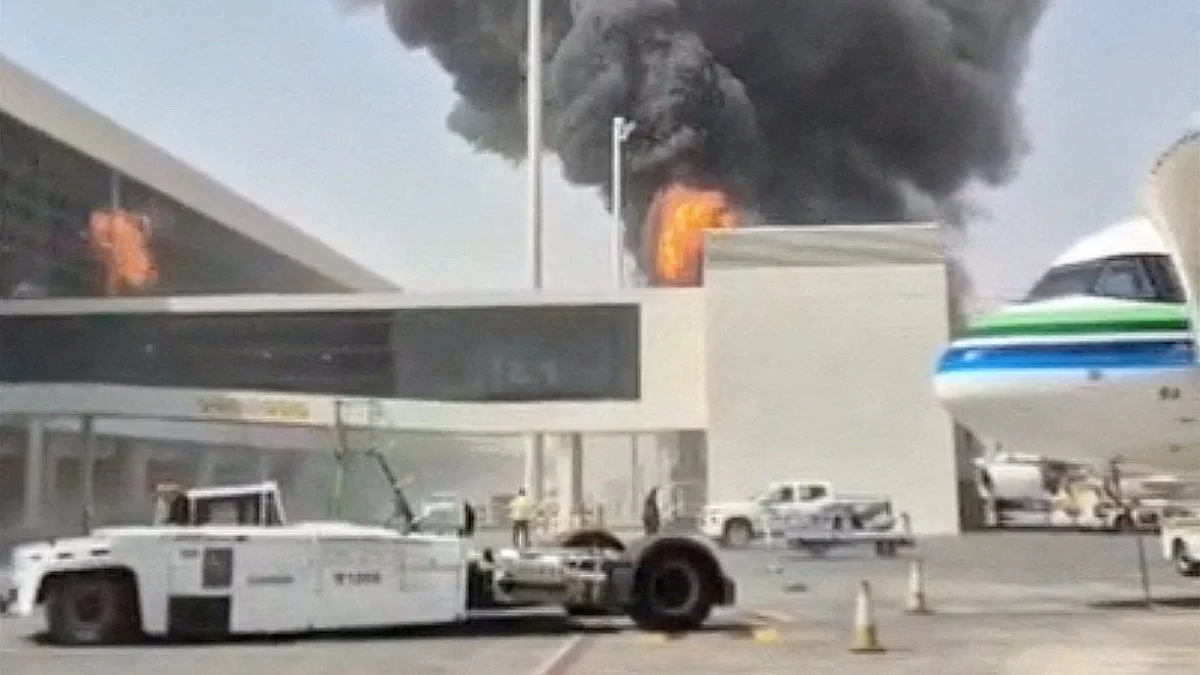
Houthi threats against Saudi Arabia’s critical energy infrastructure and airports have intensified, raising concerns over potential disruptions to global oil markets and regional security. The threats come shortly after explosions were reported in Sanaa, the capital of Yemen, as the Saudi-led coalition issued an evacuation order in the area. These developments suggest an escalation in hostilities between the Houthis and coalition forces.
The situation remains volatile, with reports of further military action anticipated. As Houthi threats continue to target key Saudi facilities, the risk of broader conflict increases, affecting not only regional stability but also international energy supplies.
KEY FACTS
- Topic: Houthi threats against Saudi Arabia’s Aramco facilities and airports.
- Event: Explosions reported in Sanaa following an evacuation order by the Saudi-led coalition.
- Response: Houthis have promised a ‘harsh’ retaliation.
- Source: Al Jazeera – Breaking News, World News and Video from Al Jazeera.
THE STORY
What Happens Next?
Following the recent Houthi threats, the region braces for possible retaliatory measures. The Saudi-led coalition had previously issued an evacuation order near Sanaa, signaling heightened alert levels. Shortly after, explosions rocked the Yemeni capital, underscoring the fragility of the current situation. With critical infrastructure like Aramco facilities and airports now explicitly targeted, the potential for direct confrontation grows.
Observers warn that any attack on Saudi oil installations could disrupt global energy markets, given Saudi Arabia’s pivotal role in OPEC+ output decisions. Meanwhile, the Houthis’ vow of a ‘harsh’ response adds uncertainty to ongoing ceasefire negotiations and humanitarian efforts in Yemen.
Who Is Affected?
The Houthi threats primarily target Saudi Arabia’s state-owned oil giant Aramco and its airport networks. These facilities are integral to both domestic operations and international energy exports. Disruptions here could ripple across global supply chains, particularly if ports or refining capabilities are compromised.
Within Yemen, civilians in Sanaa and surrounding areas remain vulnerable to escalations. The Saudi-led coalition’s evacuation orders reflect efforts to shield populations from fallout, though access restrictions complicate humanitarian aid delivery. International stakeholders, including the United Nations, monitor developments closely for signs of de-escalation or renewed hostilities.
How Did We Get Here?
Tensions between the Houthis and the Saudi-led coalition have simmered since the Yemen conflict began in 2014. Over time, cross-border skirmishes and drone strikes have become routine. Recently, Houthi threats have expanded beyond retaliatory actions to preemptive declarations targeting Saudi sovereignty.
This latest wave of rhetoric follows months of stalled peace talks and increasing military posturing from both sides. Al Jazeera reports indicate that internal pressures within Yemen may be driving the Houthis to adopt a more aggressive stance. At the same time, coalition forces face criticism over civilian casualties linked to airstrikes, adding complexity to diplomatic outreach.
WHAT WE KNOW — AND WHAT WE DON’T
Verified by the source:
- Houthi threats were made against Saudi Aramco facilities and airports.
- Explosions occurred in Sanaa shortly after a Saudi-led coalition evacuation order.
- The Houthis publicly committed to a “harsh” response.
Still unconfirmed:
- No specific timeline or method of attack has been confirmed.
- Extent of damage from the reported Sanaa explosions remains unclear.
- Official responses from Riyadh or Washington have not yet surfaced.
WHY IT MATTERS
Houthi threats against Saudi infrastructure carry implications far beyond Yemen’s borders. Given Saudi Arabia’s status as a top crude oil exporter, even perceived risks can influence global pricing and investor confidence. For readers tracking geopolitical developments or energy markets, this story highlights how localized conflicts can trigger worldwide repercussions. The stability of critical infrastructure—including pipelines, refineries, and transportation hubs—directly impacts everything from gasoline prices to national security postures abroad.
Military analysts emphasize that cyberattacks or precision-guided munitions could cripple Aramco’s facilities without requiring large-scale invasions. Should such scenarios unfold, governments and corporations must reassess contingency plans spanning logistics, insurance, and defense strategies. In times like these, vigilance becomes essential—not just for policymakers, but for everyday citizens who depend on secure fuel supplies and stable trade routes.
WHAT TO WATCH
Future statements from Saudi officials or updates from the Saudi-led coalition will clarify whether defensive measures are being implemented. Monitoring social media chatter and intelligence reports may offer early warnings of planned operations. Meanwhile, the United Nations continues advocating for peaceful dialogue amid mounting fears of another devastating phase in Yemen’s protracted civil war.
As events evolve, SourceRated will track emerging evidence and update this story with verified details as they emerge.