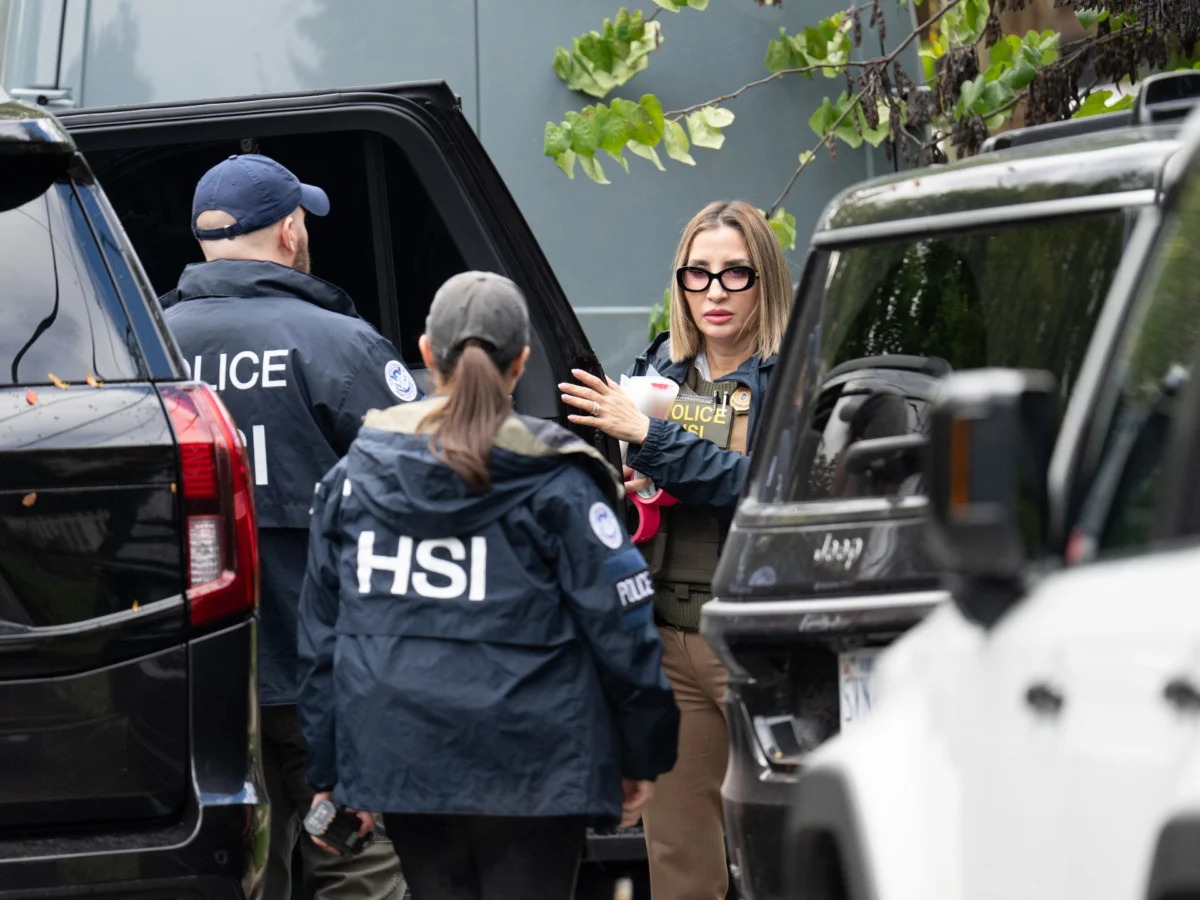
Federal agents searched Representative Ilhan Omar’s home in what she described as an attempt to ‘weaponise federal law enforcement,’ a move that has drawn sharp criticism ahead of the US midterm elections.
The search has intensified concerns about the potential use of federal agencies in matters perceived as politically sensitive. While the exact scope and timing of the search remain unclear, the incident has added to ongoing debates about the neutrality of federal law enforcement during electoral periods.
Representative Omar, a Democrat from Minnesota, has not provided extensive public details about the nature of the investigation, but her characterization of the search as politically motivated suggests deep skepticism toward the manner in which federal authorities conducted the operation.
KEY FACTS
- Federal agents searched Ilhan Omar’s home.
- The search occurred before the US midterm elections.
- Ilhan Omar described the search as an attempt to ‘weaponise federal law enforcement’.
- The search has caused controversy.
The Story
Why has the search sparked controversy?
The search of Ilhan Omar’s home has become highly politicized due to its timing and her public response. Conducting such actions close to a major election raises questions about whether federal resources are being used appropriately or influenced by political considerations.
Omar’s statement accusing authorities of attempting to ‘weaponise federal law enforcement’ reflects broader concerns among lawmakers and advocacy groups about the perceived erosion of impartiality in federal agencies. These fears are not new, but this specific event has brought renewed attention to them.
This is not the first time that federal law enforcement actions involving sitting members of Congress have stirred political debate. Past instances have led to discussions about transparency, accountability, and the appropriate boundaries between governance and policing.
Who is affected by the controversy?
The controversy impacts several groups, including voters, elected officials, and federal law enforcement personnel. For voters, it underscores anxieties about fairness and neutrality in governmental institutions, especially during election cycles when trust plays a crucial role.
For members of Congress, particularly those aligned with Omar, the incident may reinforce perceptions of partisan targeting. Meanwhile, law enforcement officials face increased scrutiny over their operational decisions and perceived motivations.
Additionally, civic organizations and watchdog groups are likely monitoring the situation closely for implications on democratic norms and institutional integrity. Their responses could influence future policy discussions or reforms regarding federal investigative practices.
What We Know — and What We Don’t
Verified by the source:
- Federal agents searched Ilhan Omar’s home.
- The search took place before the US midterm elections.
- Ilhan Omar characterized the search as an attempt to ‘weaponise federal law enforcement’.
- The search caused public controversy.
Still unconfirmed:
- The specific date and reason for the search.
- Whether any materials were seized or arrests made.
- Details of any ongoing legal proceedings related to the search.
- Official statements from the agencies involved.
Why It Matters
This controversy touches on fundamental issues of trust in democratic institutions. When actions by federal agencies appear timed around elections, it fuels doubts about impartiality and can erode public confidence in the rule of law. Such moments test the resilience of norms meant to keep governance separate from partisan influence, making them critical for maintaining a healthy democracy.
What To Watch
Ongoing reactions from other political leaders, civil society groups, and federal watchdogs will shape how this develops. The public response may prompt formal inquiries or calls for greater transparency in future federal operations involving public figures.
A federal search of Representative Ilhan Omar’s home before the midterms has sparked accusations of politicized law enforcement, raising questions about institutional neutrality during election season.