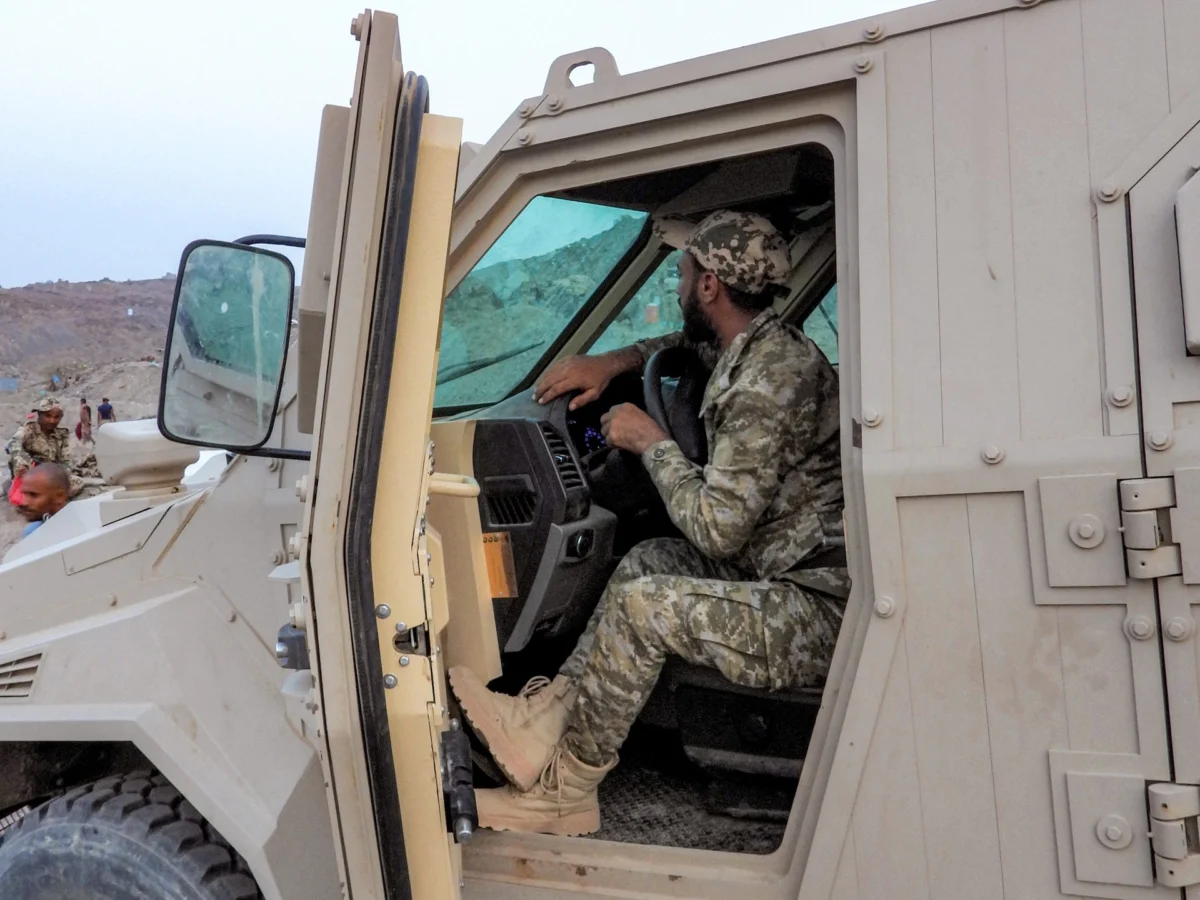
Late on a recent day, Yemen’s Houthis claimed responsibility for attacks on urban areas inside Saudi Arabia, prompting the Saudi-led coalition to promise a firm response. Shortly after the announcement, reports surfaced of air strikes hitting parts of Yemen, escalating a conflict already marked by periodic cross-border fire and humanitarian suffering.
The exchange reflects the fragile rhythm of a years-long war in which both sides trade accusations of targeting civilian and military sites, often setting off new waves of retaliation and civilian displacement.
KEY FACTS
- Houthi strikes targeted Saudi urban areas, per Al Jazeera.
- Saudi-led coalition pledged a “firm” response to the Houthi attacks.
- Air strikes were reported in Yemen after the Saudi vow, Al Jazeera said.
- Al Jazeera reported the developments as breaking news.
- Both sides trade periodic cross-border attacks, the source noted.
THE STORY
What happened most recently?
According to Al Jazeera, the Houthis said they struck urban areas in Saudi Arabia, actions the Saudi-led coalition described as warranting a firm response. Within hours, the same outlet reported that air strikes had hit Yemen, suggesting a rapid cycle of retaliation that analysts often cite as a feature of this conflict.
The Saudi-led coalition, formed in 2015 to restore the internationally recognized government, has repeatedly said it responds to threats against Saudi territory. The Houthis, who control much of northern Yemen including the capital, say their operations target military assets and accuse the coalition of besieging civilians.
Cross-border exchanges are not new, but they tend to spike when either side suffers setbacks on the ground or aims to signal resolve to domestic audiences. Such escalations often trigger new rounds of airstrikes, blockades, or missile fire, increasing risks to civilians on both sides.
Who is affected?
The people most vulnerable to escalation are civilians in Yemen, where years of war have left much of the population reliant on aid and basic services. Strikes near populated areas raise the likelihood of collateral damage, which humanitarian groups routinely warn compounds an already dire health, food, and shelter crisis.
In Saudi Arabia, authorities have repeatedly assured residents that defenses can intercept incoming projectiles, though past alerts have caused panic buying and evacuations in border regions. Tourism and business activity in those zones can slow during heightened tension periods.
Regional powers and aid organizations closely watch these cycles because each surge strains peace efforts and humanitarian access. The United Nations and its partners often request safe corridors to deliver assistance, which become harder to negotiate when fighting intensifies.
How did we get here?
The backdrop is a civil war that began when the Houthis advanced on the Yemeni capital in 2014, leading to the coalition’s intervention two years later. Since then, both sides have accused each other of violating international law and targeting civilians, though investigations remain limited and politically contested.
Previous truces, including a UN-brokered ceasefire attempt in 2022, temporarily reduced large-scale combat but struggled to address underlying grievances such as territorial control and political representation. Al Jazeera noted that cycles of retaliation tend to resume once trust erodes, making durable peace elusive.
WHAT WE KNOW — AND WHAT WE DON’T
Verified by the source:
- Houthi strikes occurred against Saudi urban areas, Al Jazeera reported.
- The Saudi-led coalition pledged a firm response, the outlet said.
- Air strikes in Yemen followed the Saudi vow, per the report.
Still unconfirmed:
- Exact timing and locations of the Houthi attacks.
- Number of casualties or damage caused by the strikes.
- Official Saudi or Houthi statements confirming responsibility.
- Whether the Yemeni strikes were conducted by coalition aircraft.
Meta description: Air strikes hit Yemen after Saudi Arabia vowed a firm response to Houthi strikes on urban areas, Al Jazeera reported as breaking news.
WHY IT MATTERS
For readers worldwide, renewed escalation in the Yemen conflict raises the risk of wider regional instability, disrupts vital aid flows, and underscores how quickly localized fighting can spiral when both sides rely on retaliation rather than negotiated solutions. Understanding these dynamics helps explain why this war has endured despite international concern.
WHAT TO WATCH
Further statements from Saudi or Houthi officials would help confirm details of the strikes, and whether either side signals willingness to de-escalate. Analysts say the coming days often determine whether retaliation continues or diplomatic channels reopen. Related coverage is available in the war-geopolitics archive alongside economy and markets updates.