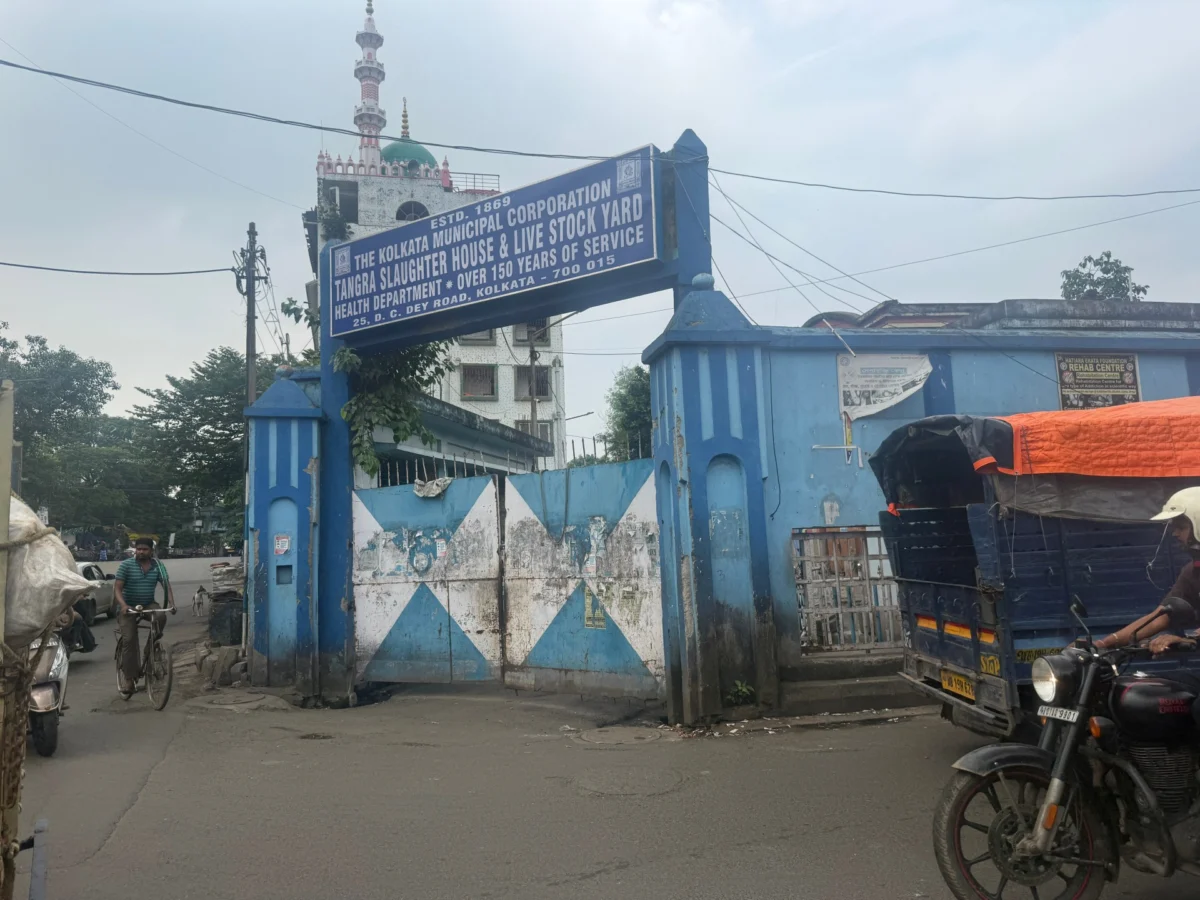
Beef disappears from menus across West Bengal following the rise of Prime Minister Narendra Modi’s BJP in the region, according to reporting from Al Jazeera. Since the BJP assumed control in West Bengal, supplies of beef have become harder to obtain, forcing restaurants and households to adjust their dietary habits. The shift reflects broader changes in food availability linked to political developments in the state.
The disappearance of beef from everyday menus marks a notable cultural and economic shift for a state where the meat has long been a dietary staple. As the BJP consolidated influence in West Bengal after coming to power nationally, changes in supply chains and regulatory enforcement have reportedly affected access to certain foods, particularly beef.
KEY FACTS
- Beef is vanishing from menus in West Bengal.
- Supplies have become harder to obtain since the BJP came to power.
- The change is affecting local diets and food choices.
- Prime Minister Narendra Modi leads the BJP.
- The report comes from Al Jazeera news coverage.
The Story
What happens next?
The ongoing political dynamics in West Bengal will likely determine whether beef gradually returns to menus or continues to be phased out. If the BJP maintains or expands its influence in the state, stricter cattle protection laws may further reduce availability. Conversely, if local opposition parties regain strength, enforcement patterns could shift, potentially allowing greater access to beef. However, the supply chain adjustments already underway suggest lasting impacts on food culture, regardless of short-term political changes. Consumers and vendors alike are adapting to new norms, indicating that the effects of this shift extend beyond immediate policy decisions. Over time, these dietary changes may reshape culinary traditions in the region. Without clear statements from government bodies or independent verification of the causes behind the supply disruptions, predicting exactly how the situation will evolve remains uncertain. Still, the trend underscores how national political movements can ripple into everyday life, influencing not only governance but also what people eat. As international outlets continue monitoring the region, further developments may shed light on the intersection of politics, religion, and food security in modern India. For now, the absence of beef symbolizes more than just a missing dish—it signals deeper social transformations tied to identity, lawmaking, and power.
Observers note that similar patterns emerged in other parts of India following the enactment of tougher bovine slaughter regulations. In states governed by Hindu nationalist parties, restrictions on cow slaughter and beef trade have led to diminished stock at butcher shops and meat processing plants. These measures often stem from religious beliefs surrounding the sanctity of cows within certain Hindu traditions. While such policies resonate with core constituencies, they also generate backlash among communities that rely heavily on affordable animal protein sources. The resulting tension highlights conflicting values embedded in India’s pluralistic society. Despite calls for uniform civil codes and consistent regulatory frameworks, enforcement varies widely depending on regional leadership. In West Bengal specifically, where secular politics traditionally dominated public discourse, the encroachment of Hindutva ideology into dietary customs raises questions about cultural autonomy and democratic representation. Whether this represents temporary disruption or permanent transformation awaits unfolding evidence.
What We Know — and What We Don’t
Verified by the source:
- Beef sales are declining in West Bengal.
- The decline coincides with increased BJP presence in the area.
- Menu offerings now feature fewer beef-based dishes.
- Consumers report difficulty sourcing beef regularly.
Still unconfirmed:
- Exact timeline of supply reductions.
- Whether formal bans were enacted locally.
- Official responses from state authorities.
- Data quantifying the extent of removal from menus.
- Detailed reasons behind supplier restrictions.
Meta description: Beef disappears from menus in West Bengal as BJP gains power, altering local diets and food availability. Reported by Al Jazeera.
Why It Matters
Food choices reflect cultural identity and economic access. Changes in what people can buy or consume often signal larger shifts in governance, law enforcement, and social norms. For millions of Indians, meat—including beef—represents an important source of protein and nutrition. When access becomes restricted, it affects not only individual diets but also livelihoods tied to livestock farming and meat trading. This story illustrates how national political trends can influence daily life far removed from legislative chambers.
What To Watch
Future developments depend on whether state-level policies undergo formalization or remain informal pressures shaping commerce. Independent audits of market conditions could clarify whether shortages result from legal actions or self-regulation by sellers fearing backlash. Continued coverage by regional and international media will help track long-term implications for both consumers and producers.