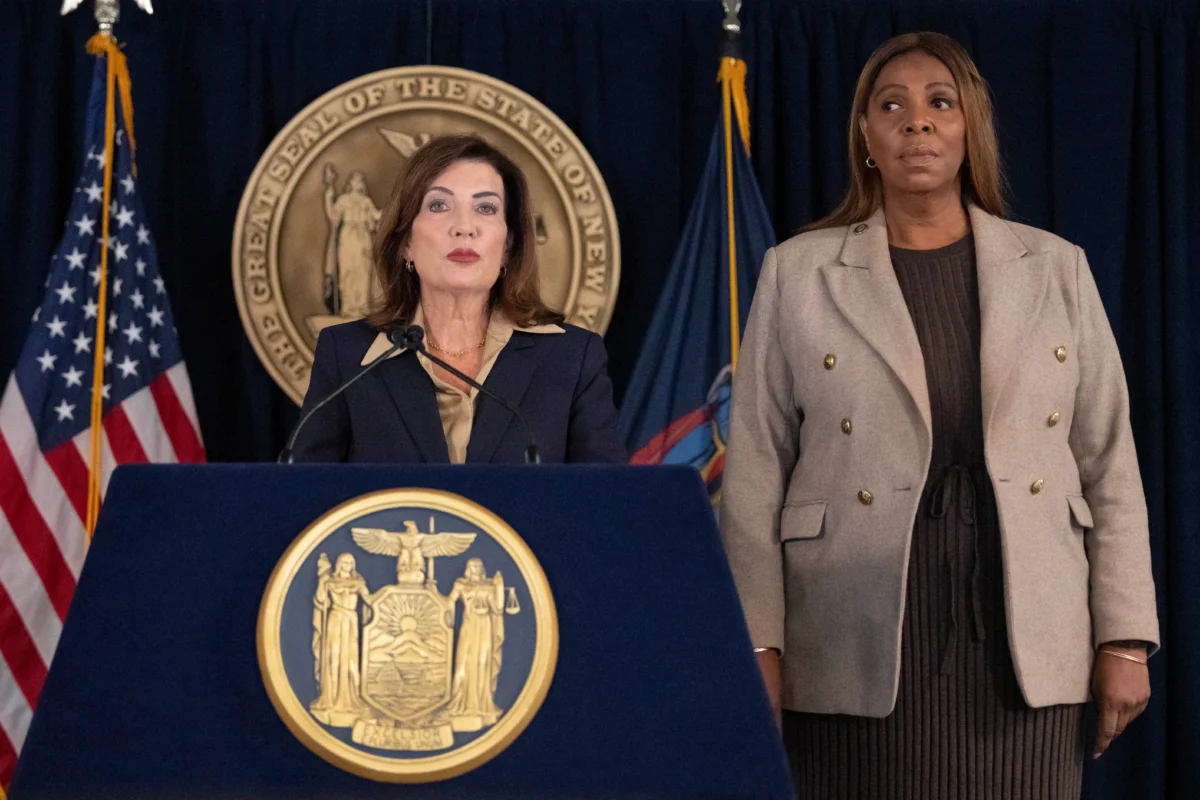
ALBANY — Governor Kathy Hochul on Thursday said she will push lawmakers to change New York’s rape law, arguing that voluntary intoxication should not prevent sexual assault cases from being prosecuted. The vow comes after scrutiny over the handling of a 2024 gang rape allegation involving a former Cornell student.
Hochul said current law makes it difficult to prosecute sexual assault when a victim voluntarily consumed alcohol or drugs, and pledged to work with the Legislature when they return in January.
KEY FACTS
- Hochul vows to close a loophole in state rape law around voluntary intoxication.
- Under current law, consent is blocked by mental incapacity, typically from involuntary intoxication.
- The State Senate has advanced bills to close the gap; the Assembly has not voted.
- Hochul appointed the attorney general as special prosecutor in the Cornell case.
- Cornell agreed to an independent external review of how the case was handled.
What happens next?
New York lawmakers are set to reconvene in January, where the Senate is expected to renew efforts to advance rape law reforms. The Assembly’s resistance has previously stalled similar proposals, leaving the governor’s push dependent on securing enough support to override objections or win votes in committee.
While Hochul has signaled urgency, she did not specify what exact statutory changes she would propose, nor did she outline a timeline beyond the legislative session. Advocates have long pushed for reforms to ensure intoxication does not shield perpetrators, but past attempts have faced pushback over definitions of consent and due process protections.
Who is affected?
The controversy stems from a lawsuit filed by a former Cornell student, identified as Jane Doe, who alleged she was gang-raped at the Chi Phi house after being coerced into consuming drugs. She told campus police she was “100 percent confident that she had been raped,” but those statements were omitted from materials sent to Tompkins County District Attorney Matthew Van Houten.
Van Houten declined to pursue charges without interviewing the woman, prompting Hochul to criticize both the university police and the prosecutor. She questioned why full transcripts were not provided and why no interview occurred, calling the gap in communication troubling. Cornell’s spokesperson said the university supports the special prosecution and independent review.
How did we get here?
The incident drew attention after the Cornell Daily Sun reported on the lawsuit, which detailed the woman’s claims and the investigative response. The case highlighted longstanding tensions over how campuses handle sexual assault allegations and the role of local prosecutors in reviewing such matters. It also underscored the difficulty of prosecuting cases where intoxication is involved, even when the consumption was voluntary.
State Senators have repeatedly introduced bills aimed at clarifying consent in cases involving intoxication, but the Assembly has historically hesitated to act. Hochul’s public endorsement could shift momentum, though no draft legislation has yet been made public.
WHAT WE KNOW — AND WHAT WE DON’T
Verified by the source:
- Governor Hochul plans to work with lawmakers to change the rape law.
- Voluntary intoxication currently limits prosecution under state law.
- The attorney general was named special prosecutor in the Cornell case.
- Cornell agreed to an independent external review.
Still unconfirmed:
- The specific language of proposed legislative changes has not been released.
- Whether the Assembly will act when the session resumes.
- Details of the woman’s lawsuit remain limited to court filings and reports.
- Timeline for the independent review at Cornell is unclear.
WHY IT MATTERS
The dispute reflects broader national debates over campus safety, consent definitions, and how laws adapt to evolving understandings of sexual violence. Changes to New York’s rape law could set precedent for other states and reshape how voluntary intoxication is treated in criminal proceedings.
WHAT TO WATCH
All eyes are on Albany in January, when lawmakers return and the governor hopes to advance legislation. A public draft of the proposed changes or movement in the Assembly would signal progress, while continued silence could extend the gap.
Meta description: Governor Hochul vows to change New York’s rape law around voluntary intoxication amid criticism of the Cornell case handling.