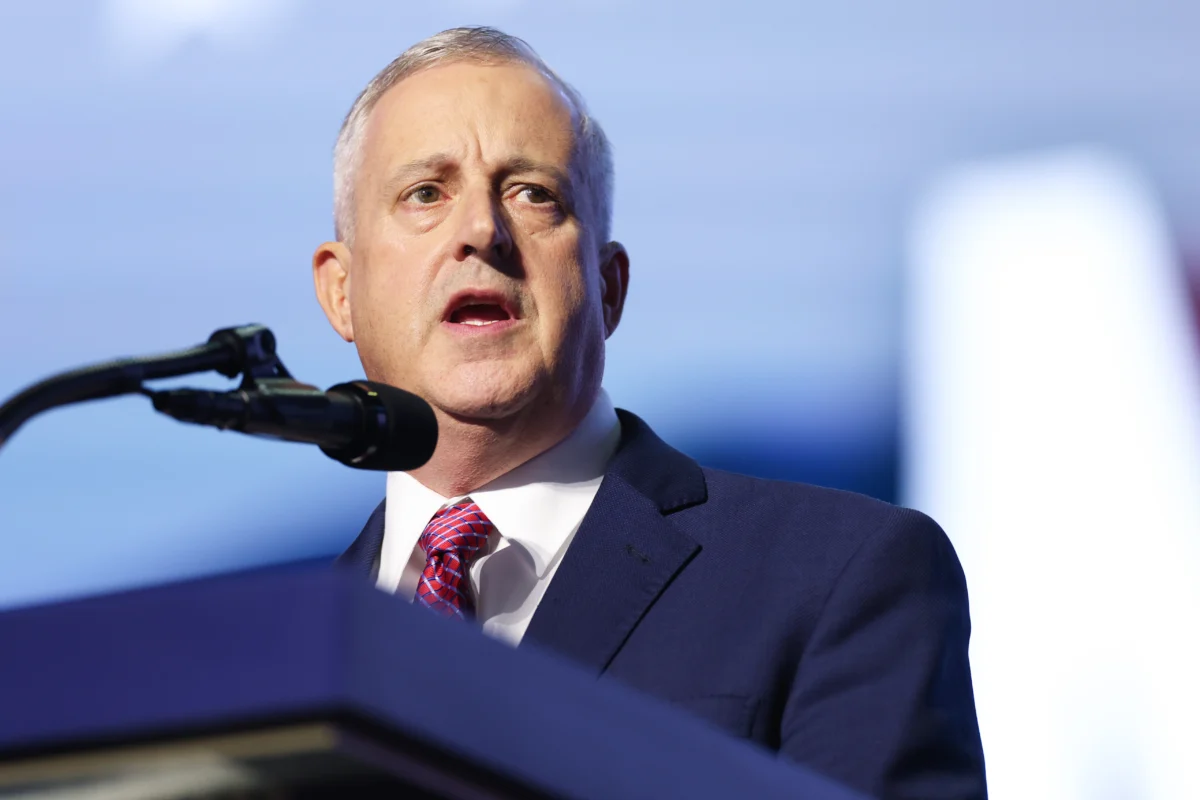
Top GOP groups are retreating from the North Carolina Senate race, pausing future spending as Republican confidence in their candidate dims. The Senate Leadership Fund, a key Republican fundraising arm, has decided to hold off on additional investments in what was once seen as a competitive contest. This pullback suggests growing concern within the party about the viability of their nominee in a state that President Donald Trump carried three times.
The decision reflects broader uncertainty among national Republicans about whether their candidate, Michael Whatley, can secure a win in November. With major financial backing currently on ice, the race may hinge more heavily on local dynamics and candidate strength than on outside spending. Political analysts note that major donor hesitation often signals deeper doubts about a campaign’s path to victory.
Key Facts
- The Senate Leadership Fund will pause future spending in the North Carolina Senate race.
- Republicans express doubt about Michael Whatley’s chances of winning in a state Trump carried three times.
- Other top GOP groups are scaling back involvement in the race.
- The spending pause indicates fading confidence among national Republican operatives.
- The race remains officially competitive on paper, but funding signals caution.
The Story So Far
The Senate Leadership Fund, one of the most influential Republican super PACs, has announced that it will not commit additional funds to help elect the party’s nominee in North Carolina. This move underscores internal GOP concerns about Michael Whatley, who won the Republican primary earlier this year. Whatley’s campaign had been expected to benefit from significant national-party support, especially given the historical lean of the state toward Republican presidential candidates.
What Happens Next?
If more GOP-aligned organizations follow suit and reduce advertising or staffing investments, Whatley’s campaign may struggle to match the financial resources typically available to Senate hopefuls in competitive races. National committees often step in to fill gaps, but their involvement depends on strategic priorities and fundraising performance. At this stage, campaign watchers are looking closely at filings with the Federal Election Commission to see whether other major donors are also pulling back.
How Did We Get Here?
Initially, the North Carolina Senate race was viewed as a promising pickup opportunity for Republicans. Michael Whatley, a former state official, secured the nomination with backing from establishment figures and conservative groups alike. However, polling in recent months showed tighter margins than expected, prompting some strategists to question whether even a well-funded effort could overcome structural challenges in a state where Democratic turnout has surged in previous cycles.
What We Know — and What We Don’t
Verified by the source:
- The Senate Leadership Fund is pausing future spending in the North Carolina Senate race.
- Republicans are not confident Michael Whatley can win.
- North Carolina was carried by President Trump three times.
Still unconfirmed:
- The total amount of planned GOP spending now delayed.
- Whether other unnamed GOP groups will follow the lead of the Senate Leadership Fund.
- Exact internal polling data driving these spending decisions.
- Timin
Why It Matters
Funding shifts in high-profile Senate contests signal evolving party confidence and can shape campaign strategies nationwide. When major donor groups pull back, it often pressures local campaigns to become more self-reliant or prompts alternative funding sources to emerge.
What To Watch
Future FEC filings may reveal whether additional GOP-aligned entities are also reducing their involvement in the North Carolina Senate race.
The North Carolina Senate race has become a focal point for questions about Republican electoral prospects in battleground states this fall.