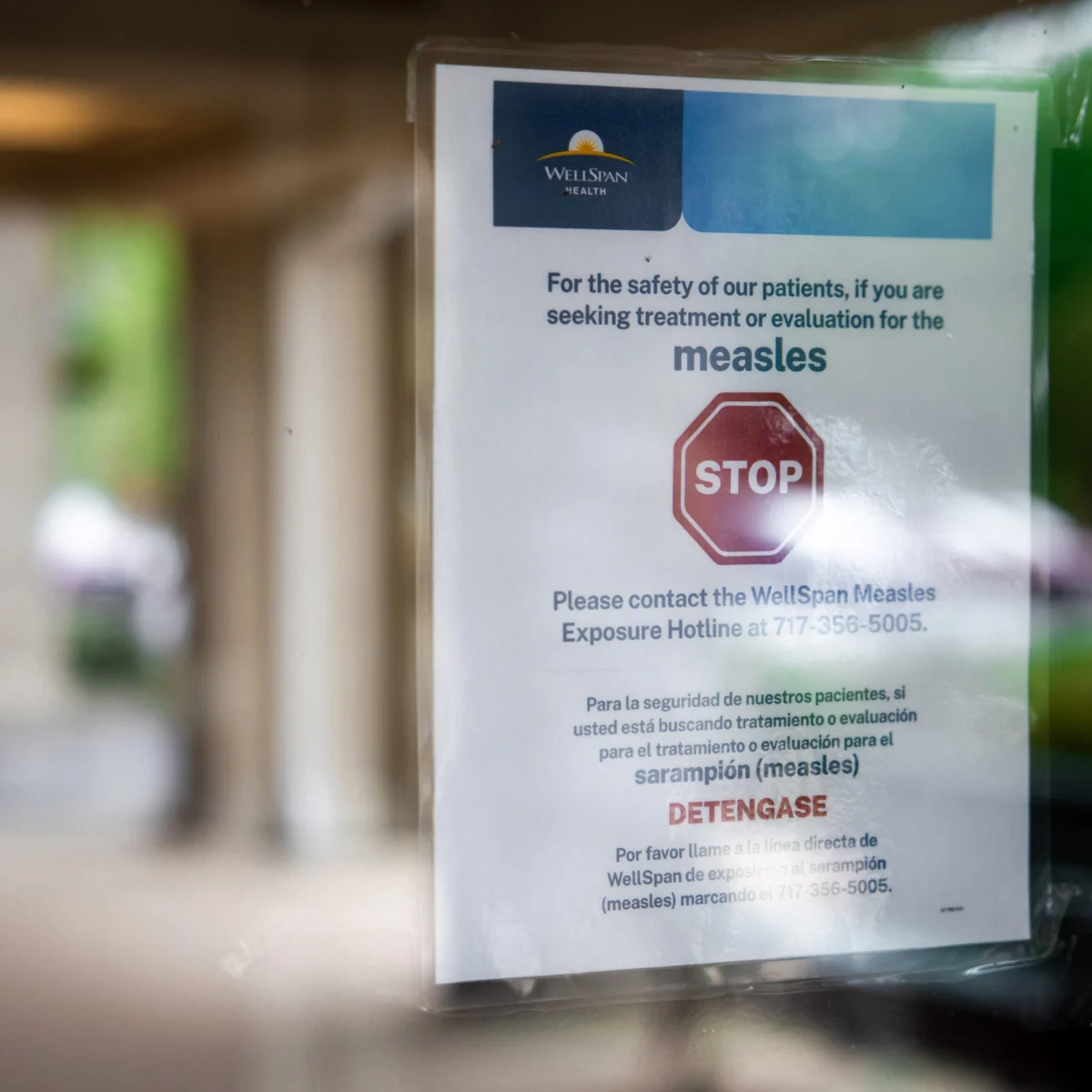
New York has declared a measles emergency as cases rise sharply across the state, marking the most activity since 2019. The declaration reflects growing concern over the highly contagious viral illness, which is experiencing a national resurgence. State officials confirmed there have been 108 reported cases so far this year, prompting emergency protocols aimed at limiting further spread. The situation underscores ongoing challenges in containing infectious disease outbreaks in areas with lower vaccination rates.
Measles remains one of the most contagious viruses known to medicine, spreading easily through respiratory droplets when an infected person coughs or sneezes. A measles emergency allows health authorities to implement targeted interventions, including enhanced surveillance, public awareness campaigns, and potential restrictions in affected communities. The illness can lead to serious complications such as pneumonia and encephalitis, particularly in unvaccinated individuals, though vaccines are widely available and effective.
Key Facts
- New York has recorded 108 measles cases in 2026, the most since 2019.
- The state has declared a measles emergency in response to rising cases.
- The outbreak is part of a broader national resurgence of measles.
- Measles is a highly contagious viral illness preventable by vaccine.
What Happens Next?
The measles emergency declaration enables state and local health departments to activate response protocols that may include community outreach, school exclusions for unvaccinated children, and expanded testing efforts. Public health officials are likely to prioritize containing transmission in rural regions where vaccination coverage may already be low and access to healthcare limited. In past outbreaks, emergency declarations helped coordinate federal support, including deployment of medical personnel and vaccine distribution. However, the success of these measures depends on community cooperation and vaccine acceptance, both of which remain variable. Health authorities have not provided a timeline for lifting the emergency or specified which counties are under the highest threat. Continued monitoring will determine whether case numbers stabilize, decline, or signal further spread. Additional information about public health measures, including quarantine guidance and vaccination clinics, is expected to be released by local officials in the coming days as part of the coordinated response.
Who Is Affected?
While the summary does not name specific counties or populations, measles emergencies historically impact unvaccinated communities, including young children and individuals with compromised immune systems who cannot receive the vaccine. Rural areas often face unique challenges due to geographic isolation and fewer healthcare resources, increasing the urgency for swift containment actions. Schools and daycare centers typically play a central role in transmission dynamics, especially where religious or philosophical vaccine exemptions are permitted. Public health responses usually focus on identifying exposed individuals, offering post-exposure prophylaxis, and ensuring prompt isolation of confirmed cases. Without detailed breakdowns from official sources, it remains unclear how many of the 108 cases involve hospitalizations or severe illness. Vaccination rates in affected regions will likely be reviewed to identify immunity gaps, though such data has not yet been disclosed publicly. As the outbreak continues, at-risk groups beyond just the unvaccinated—such as infants too young for vaccination—are also under heightened surveillance.
How Did We Get Here?
The measles emergency in New York follows a documented pattern of declining vaccination rates and increasing susceptibility among certain demographics over recent years. Although the MMR vaccine is safe and effective, misinformation campaigns have contributed to hesitancy, especially in pockets of rural America where trust in government-run health programs may be low. Nationally, measles cases declined dramatically after widespread immunization began, but sporadic outbreaks have reappeared due to incomplete coverage. The current situation mirrors similar trends seen in 2019, when the U.S. experienced its largest measles outbreak in decades linked to underimmunized communities. Federal health agencies like the CDC continue tracking interstate transmission, adding pressure on states like New York to act quickly. The lack of a centralized alert system means each state must independently detect surges and respond accordingly, sometimes after delays. This decentralized approach highlights structural issues in how infectious disease threats are managed nationwide.
What We Know — and What We Don’t
Verified by the source:
- The state has had 108 measles cases in 2026.
- Case count represents the highest annual total since 2019.
- A measles emergency has been officially declared by the governor.
- The illness is experiencing a national resurgence.
Still unconfirmed:
- Specific counties or regions affected by the outbreak.
- Number of hospitalizations or severe complications reported.
- Criteria used to define and lift the emergency status.
- Whether any confirmed cases were linked to international travel.
- Details on additional public health measures being implemented.
Why It Matters
Infectious disease outbreaks require rapid public health action to protect vulnerable populations and prevent wider transmission. Measles, being airborne and extremely contagious, poses a significant risk in communities with suboptimal vaccination rates. Emergency declarations signal elevated risk and enable swift allocation of resources to contain spread. Such actions also serve as reminders of the importance of routine childhood immunizations in maintaining herd immunity. When vaccination programs weaken—even slightly—the ripple effects can undermine decades of progress against preventable diseases. Monitoring this outbreak offers insight into how effectively public health systems respond to emerging threats, both locally and nationally. It also reinforces the need for accurate information sharing to counter false claims influencing vaccine decisions. For residents in affected areas, staying informed and ensuring proper immunization remains critical to safeguarding collective well-being. See also coverage under [health-science] and [politics] for related updates.
What To Watch
Health officials have yet to announce specific next steps or timelines for reassessing the emergency order. Updates on containment efforts, new case reports, and revised public health guidance are expected in the coming weeks as authorities evaluate the outbreak’s trajectory.