Lede
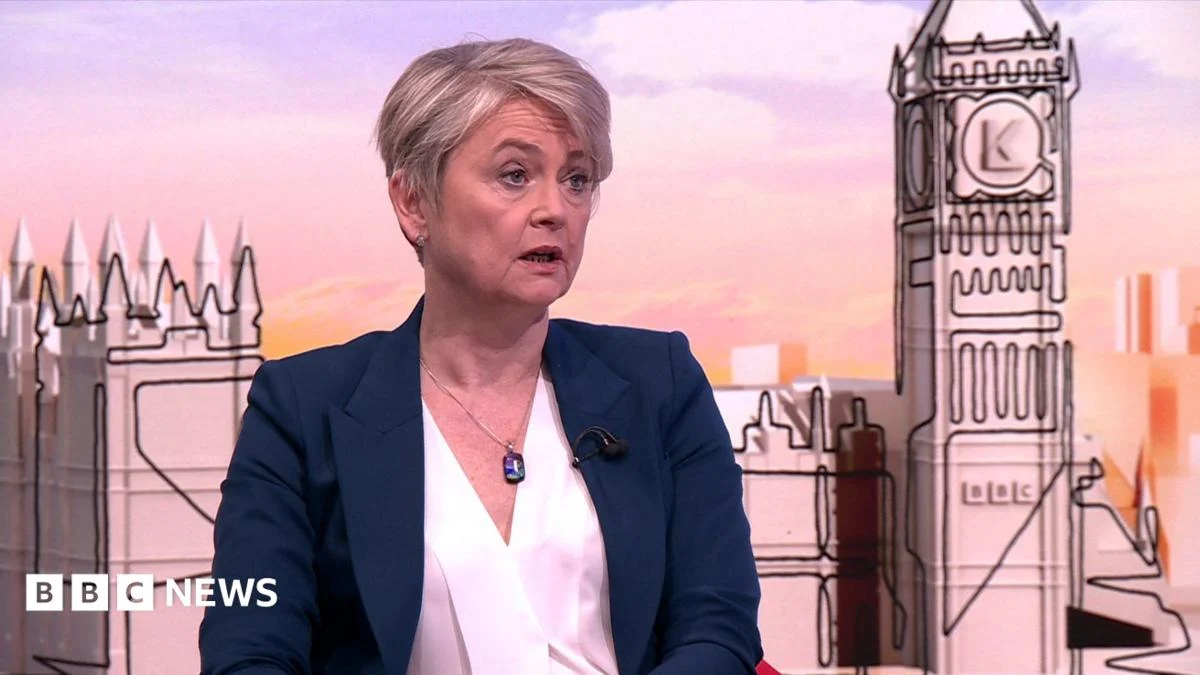
The UK health secretary has urged immediate action to end corridor care for children, describing the practice as unacceptable, while announcing a £140 million investment in England’s urgent care system ahead of winter. Corridor care refers to patients, particularly children, being treated or waiting for care on hospital corridors due to overcrowding or lack of appropriate ward space. The health secretary emphasized the need for a comprehensive plan to ensure that children receive proper care in suitable environments.
The funding aims to strengthen urgent care services during the winter months, a period historically associated with increased pressure on healthcare systems. The combination of ending corridor care and investing in urgent care reflects a dual approach to addressing both long-term systemic issues and seasonal demand.
Key Facts
- corridor care for children must be ended urgently.
- The health secretary announced £140 million investment in England’s urgent care system.
- The funding targets improvements ahead of the winter season.
- The plan focuses on children treated or waiting on hospital corridors.
- Source: BBC News.
The Story
What Is Corridor Care?
Corridor care occurs when hospitals lack sufficient beds or clinical spaces to accommodate all patients, forcing individuals, including children, to remain on corridors or in non-clinical areas. This situation often arises during periods of high demand, such as winter months when respiratory illnesses surge. While adults also experience corridor care, the focus on children highlights concerns about vulnerable populations receiving suboptimal care environments. Health experts have previously raised alarms about infection risks, delayed treatment, and psychological distress associated with prolonged stays in corridors.
Who Is Affected and Why Now?
Children requiring urgent or emergency care are directly affected by corridor practices, particularly those admitted to overcrowded hospitals without access to dedicated pediatric wards. The timing of the announcement aligns with seasonal pressures expected to intensify as temperatures drop. Hospitals typically face increased admissions during winter due to flu outbreaks and other respiratory conditions. By directing funds toward urgent care infrastructure, the government seeks to mitigate bottlenecks that contribute to corridor care. This initiative underscores broader challenges within the National Health Service (NHS) regarding capacity constraints and resource allocation.
What We Know — and What We Don’t
Verified by the source:
- The health secretary called for urgent plans to end corridor care for children.
- A £140 million investment was announced for England’s urgent care system.
- The investment is intended to prepare services for winter conditions.
Still unconfirmed:
- Specific measures or timelines for ending corridor care.
- How the £140 million will be distributed across regions or facilities.
- Whether additional funding beyond this allocation is planned.
- Exact number of children currently experiencing corridor care.
Why It Matters
Hospital overcrowding and inadequate accommodation during critical treatment periods can compromise patient safety, especially among children whose developmental and emotional needs require specialized environments. Investing in urgent care infrastructure before peak seasonal demand may reduce reliance on corridor care and improve outcomes. These developments form part of ongoing discussions around NHS funding sustainability and service delivery reform.
What To Watch
Further details on implementation strategies and regional rollout plans are likely to emerge in coming weeks. Stakeholders will monitor whether targeted investments translate into measurable reductions in corridor care incidents during the upcoming winter season.
Meta description: The UK health secretary urges ending corridor care for children, announcing £140m investment in urgent care ahead of winter via BBC News.
Related topics: Health Science, Politics