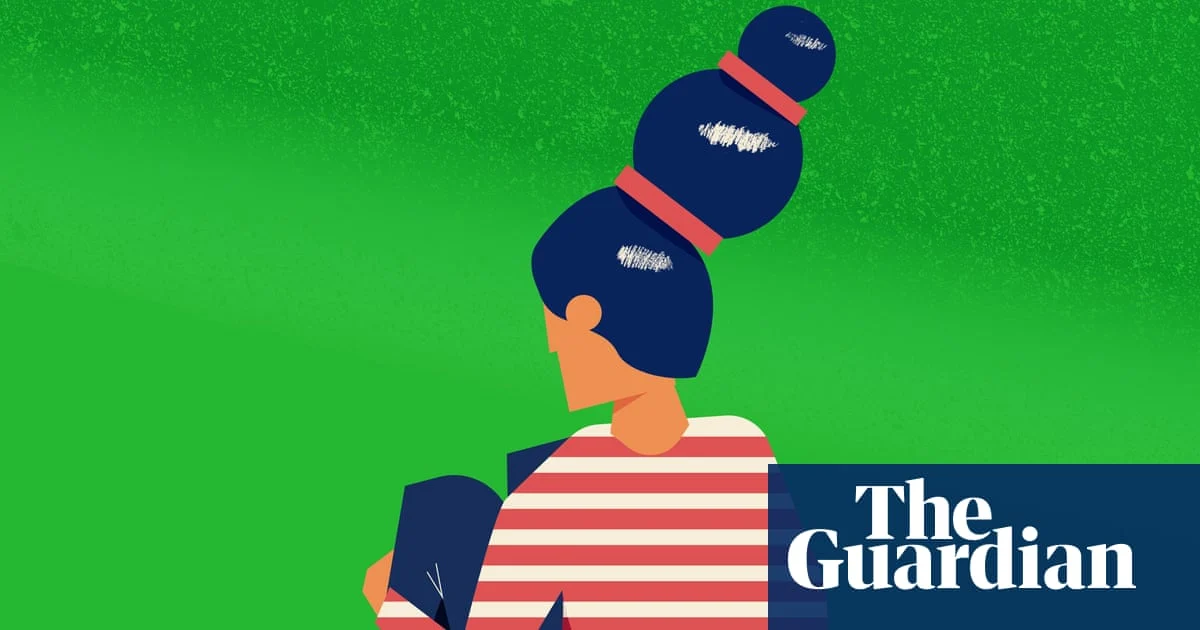
Only the grieving person can know when dating after loss feels right, and a year may be too short to process deep grief, according to advice columnist Annalisa Barbieri in The Guardian. A reader wrote that her long-term boyfriend died of cancer last year, leaving her to raise their two-year-old son alone, and she now questions whether beginning to date someone new would be appropriate.
The column does not prescribe a timeline but emphasizes that the decision rests solely with the individual experiencing the loss. Barbieri notes the reader seems uncertain about a new man she has met, suggesting that unresolved grief and lingering doubts may indicate she is not yet emotionally ready.
KEY FACTS
- Partner died of cancer last year.
- They had been together for 16 years.
- They had one child, now two years old.
- Reader is unsure about dating someone new.
- Advice column written by Annalisa Barbieri.
What happens next?
The reader faces a personal crossroads with no external timeline to guide her. Society often pressures mourners to move on within a socially acceptable window, but grief does not follow a predictable schedule. Barbieri’s response highlights that emotional readiness cannot be measured against calendar months or years. The reader must weigh her own feelings, her child’s needs, and whether pursuing a new relationship serves her healing or complicates it. There is no universal rule for when someone should begin dating again, and the weight of that choice often compounds the isolation grief can bring.
General guidance from mental health professionals tends to echo this sentiment, encouraging individuals to listen to their own emotional cues rather than external expectations. The presence of young children adds another layer of complexity, as decisions ripple beyond the parent to affect dependents. While well-meaning friends or family may offer advice, the final judgment belongs to the person navigating the loss daily.
Who is affected and how?
Beyond the reader herself, her two-year-old son is directly impacted by any major life change she undertakes. Children absorb shifts in household energy and routine, even at a very young age, and a new romantic partner introduces variables the child cannot fully understand. The column underscores that the reader’s deep love for her late partner remains a living part of her identity, and honoring that connection may require patience before opening space for someone else.
Experts often recommend that parents in similar situations prioritize stability for their children while tending to their own emotional recovery. Grief counseling, support groups, or individual therapy can help process compounded loss—the death of a partner alongside the upheaval of single parenthood. The reader’s doubt about the new man she’s met suggests an intuitive awareness that emotional availability matters, both for herself and her son.
How did we get here?
The reader’s situation reflects a common but under-discussed reality: sudden loss during early parenthood. With her partner diagnosed just three weeks after giving birth, she transitioned rapidly from new motherhood to co-parent to widow, all while caring for an infant. Now, nearly two years later, the idea of dating surfaces, but with it comes guilt, uncertainty, and the fear of betraying a profound love that shaped her early adulthood.
The advice column format offers a private outlet for these complex emotions, allowing readers to explore dilemmas without public scrutiny. Barbieri’s role as a columnist is to provide compassionate reflection rather than clinical diagnosis, helping readers articulate questions they may not have voiced aloud. Her focus on self-awareness and emotional honesty mirrors broader therapeutic approaches to grief.
What We Know — and What We Don’t
Verified by the source:
- The reader’s long-term boyfriend died of cancer last year.
- The couple had been together for 16 years and had one child.
- Their child is now two years old.
- The reader is considering dating again and feels uncertain.
- The advice was published in The Guardian by Annalisa Barbieri.
Still unconfirmed:
- Details about the reader’s current location or region.
- Whether the new person she’s met is serious or casual.
- Any professional grief counseling the reader may be receiving.
- Broader outcomes or follow-up from the reader.
Why It Matters
Dating after loss is a deeply personal journey that resists one-size-fits-all timelines. As conversations around mental health and grief gain visibility, stories like this highlight the need for empathy over judgment. Supporting someone in their timing—whatever that may be—honors the complexity of love, loss, and renewal.
What To Watch
No further public updates from the reader are expected, but continued dialogue around grief and relationships may encourage more nuanced support systems for those navigating similar paths.
A reader who lost her partner of 16 years to cancer wonders if dating again after one year is too soon.
Related articles: health and wellness, social issues.