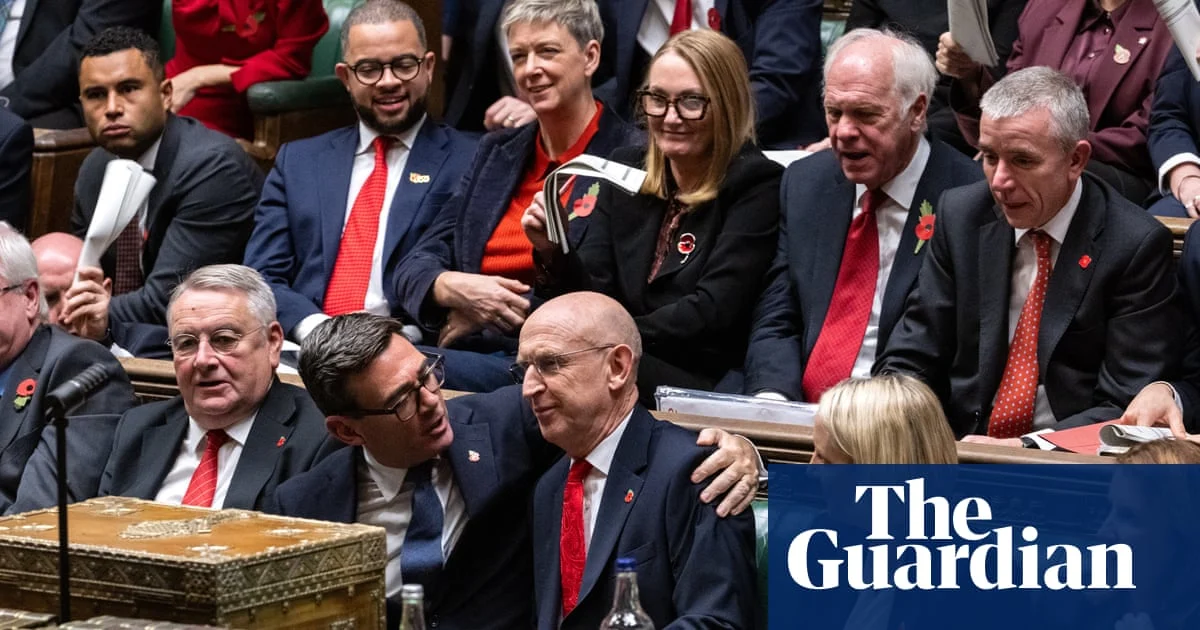
Lede
John Healey, Chancellor of the Exchequer, has announced in budget 2026 a package of tax increases on banks and landlords, with the proceeds directed toward £100 winter handouts for 20 million UK households. The measure aims to soften the impact of soaring energy prices and a prolonged cost of living crisis, as official forecasts underscore no near-term relief. Healey delivered his first budget speech with a low-key tone, avoiding major surprises while emphasizing external pressures on the British economy.
Speaking broadly about the fiscal approach, Healey framed the policy choices as necessary responses to what he described as “global economic storms,” including the war in Iran’s role in pushing up oil and gas prices. The speech did not contain detailed breakdowns of individual tax rates or the exact mechanics of the handouts, but confirmed that the measures would affect millions of families across the country.
Key Facts
- budget raises taxes on banks and landlords.
- £100 winter handout planned for 20 million households.
- Chancellor John Healey cited ‘global economic storms’ as cause.
- War in Iran blamed for rising oil and gas prices.
- Cost of living crisis expected to persist, per official forecasts.
Story: What happens next?
Details of how the tax hikes will be structured and when the £100 payments will be distributed remain unclear. The summary provided no timeline for parliamentary approval or implementation dates, nor did it specify whether additional fiscal measures might accompany the announced changes. What is known is that the policy direction signals an interventionist approach to shielding households from energy-driven inflation.
Government officials have signalled that further announcements may come in the weeks following the budget speech, particularly regarding the mechanics of the handout delivery system and potential adjustments to other parts of the tax code. Analysts will watch closely for any revisions to forecasts or refinements to the chancellor’s stated priorities.
Story: Who is affected?
The policy targets two major groups: financial institutions and private landlords, both of which face new or increased tax burdens. At the same time, approximately 20 million households—roughly three-quarters of all UK homes—are set to receive the £100 winter handout. The dual focus reflects an attempt to balance redistribution against revenue generation.
For banks, the change could mean tighter margins, especially if profitability is squeezed by higher compliance costs or reduced lending activity. Landlords, meanwhile, may pass some of their increased tax burden onto tenants through higher rents—a risk that policymakers appear willing to accept in pursuit of broader affordability goals.
What We Know — and What We Don’t
Verified by the source:
- John Healey is Chancellor of the Exchequer presenting budget 2026.
- Taxes are being raised on banks and landlords.
- A £100 winter handout is planned for 20 million households.
- Healey blamed “global economic storms” for economic conditions.
- Official forecasts suggest the cost of living crisis has no end in sight.
Still unconfirmed:
- Exact tax rates or thresholds applied to banks and landlords.
- Timeline for payment distribution or parliamentary debate.
- Mechanisms for verifying household eligibility.
- Whether other spending cuts or investments accompany the budget.
Why It Matters
This budget represents a rare moment of direct intervention in response to persistent inflationary pressure. With households struggling to afford basic necessities, targeted cash transfers funded by sector-specific taxation offer one model for managing economic hardship without expanding overall public debt—a strategy that other governments may observe or adapt.
What To Watch
Parliamentary debates on the budget are expected in the coming weeks, and economic analysts will assess whether the proposed tax-and-transfer measures achieve their intended relief without unintended consequences for growth or housing markets.
Budget 2026 raises bank and landlord taxes to fund £100 winter handouts for 20 million UK households, says The Guardian.