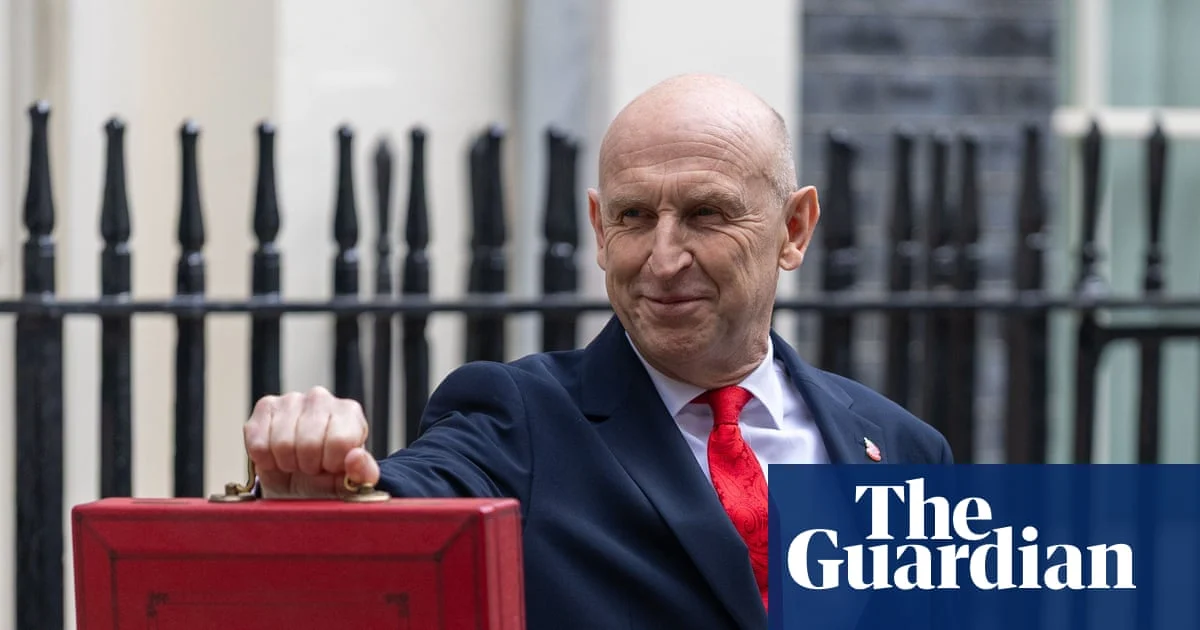
In his first budget as chancellor, John Healey pledged to offer ‘breathing space’ to help Britons navigate ‘global economic storms’. The budget included a record number of measures, such as a one-off £100 energy payment to millions and a rise in the levy on bank profits. However, the Conservatives criticized the government for postponing major decisions on defence and welfare.
Key Facts
- Breathing space pledge to help Britons navigate global economic storms.
- First budget presented by Chancellor John Healey.
- One-off £100 energy payment to millions of households.
- Rise in the levy on bank profits.
- Conservatives criticize postponement of decisions on defence and welfare.
Who is affected by the new budget measures?
The budget targets millions of Britons struggling with rising living costs, particularly energy bills. The one-off £100 energy payment aims to ease immediate financial pressure on households. A rise in the bank profit levy shifts more tax burden onto financial institutions, aligning with the government’s goal of securing additional revenue without overhauling broader fiscal policy.
How did we get here?
John Healey, recently appointed chancellor, faced mounting public concern over inflation and energy costs. His predecessor’s tenure was marked by economic instability and partygate scandals. This first budget reflects an attempt to stabilize the economy while signaling a shift toward targeted support over sweeping reforms.
What happens next?
Parliament will scrutinize the budget proposals in the coming weeks. MPs from opposition parties have signaled they will challenge specific clauses, especially regarding the bank levy and energy payment eligibility. Final legislation may undergo amendments before receiving royal assent, though no timeline has been officially confirmed.
What We Know — and What We Don’t
Verified by the source:
- The chancellor is John Healey.
- The budget includes a £100 energy payment for millions.
- A rise in the levy on bank profits is planned.
- Conservatives criticized deferral of decisions on defence and welfare.
Still unconfirmed:
- Exact number of households receiving the energy payment.
- Implementation date for the increased bank levy.
- Details of postponed defence and welfare decisions.
Why it matters: The budget addresses pressing economic concerns for ordinary citizens while attempting fiscal responsibility. It reflects a balancing act between immediate relief and long-term planning.
What to watch: How opposition parties respond during parliamentary debates and whether further details emerge on deferred decisions.