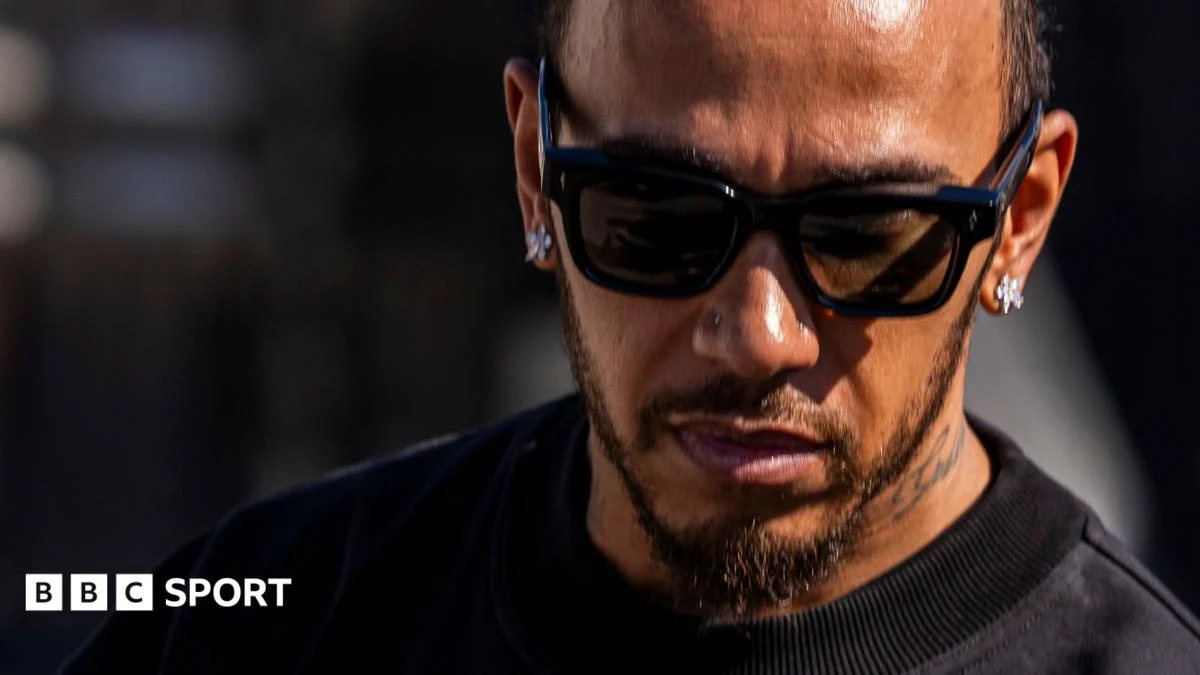
British Formula 1 driver Lewis Hamilton says much still needs to be done on F1 diversity and has outlined three steps the sport must take to improve representation. The seven-time world champion has been a leading voice for inclusion in motorsport for several years.
Hamilton’s comments come as Formula 1 continues to grapple with longstanding diversity challenges across teams, leadership, and the talent pipeline. The sport has launched initiatives in recent seasons but progress remains uneven.
Key Facts
- Lewis Hamilton states much still to do on F1 diversity
- Hamilton outlines three steps the sport must take
- Goal is to improve diversity in Formula 1
- Hamilton is a British Formula 1 driver
- Comments reported by BBC Sport
The Story
Hamilton’s Longstanding Advocacy
Lewis Hamilton has used his platform as Formula 1’s most successful driver to push for greater diversity and inclusion since at least 2020. He established the Hamilton Commission to research barriers facing Black people in UK motorsport and has pressed teams and the sport’s governing body to adopt concrete targets. His latest remarks signal frustration with the pace of change.
The driver has previously called for more diverse hiring in engineering, leadership, and media roles. He has also funded scholarships and supported grassroots programs aimed at widening the talent pool. Hamilton’s advocacy extends beyond race to include gender and socioeconomic diversity.
What Steps Has Hamilton Proposed?
While the source does not detail the three specific steps Hamilton outlined, his past public statements offer context. He has urged Formula 1 to set measurable diversity targets for teams, improve data collection on workforce demographics, and invest in educational pathways for underrepresented groups. Hamilton has also called on sponsors and partners to tie funding to diversity outcomes.
Formula 1 launched its “We Race As One” initiative in 2020 and later introduced a diversity and inclusion charter. Several teams have published diversity reports and created scholarship programs. However, Hamilton and other critics argue these efforts lack accountability and sufficient scale.
Who Is Affected by the Lack of Progress?
The lack of diversity affects multiple levels of the sport. Engineering and technical roles remain overwhelmingly white and male. Leadership positions across teams and the FIA show limited representation. Young drivers from underrepresented backgrounds face financial and network barriers entering the junior formulae that feed Formula 1.
Fans and commercial partners have also pressed for change. Sponsors increasingly expect sports properties to demonstrate authentic commitment to inclusion. Formula 1’s global expansion into new markets adds commercial incentive to broaden its appeal and workforce.
What We Know — and What We Don’t
Verified by the source:
- Lewis Hamilton says much still needs to be done on F1 diversity
- Hamilton has outlined three steps for the sport to improve diversity
- Hamilton is a British Formula 1 driver
- BBC Sport reported these comments
Still unconfirmed:
- The specific three steps Hamilton proposed
- When and where Hamilton made these remarks
- Whether Formula 1 or teams have responded
- Current diversity statistics for Formula 1 workforce
- Whether the three steps are new or reiterations of past demands
Why It Matters
Formula 1’s diversity challenge reflects broader inequities in STEM fields and elite sports. As a high-profile global platform, the sport’s progress or stagnation influences perceptions of inclusion across engineering, media, and corporate sponsorship. Hamilton’s continued pressure keeps the issue visible to decision-makers and the public.
What to Watch
Observers will watch for Formula 1’s formal response and whether teams adopt the specific measures Hamilton has urged. The next diversity reports from teams and the FIA will indicate if accountability is improving.