Lede
Guyana oil has emerged as a major growth source for Exxon Mobil, helping lift profits for the largest U.S. oil company, though it also places the company at the center of Guyana’s political tensions and a territorial row with Venezuela.
Exxon’s expansion in Guyana follows years of offshore drilling successes, turning the small South American nation into a significant new oil hub. Yet the gains come with complications that reach far beyond energy markets.
Key Facts
- Exxon Mobil is the largest U.S. oil company.
- Exxon found a coveted growth engine in Guyana oil.
- Guyana’s politics are described as fractious.
- Guyana has a territorial dispute with Venezuela.
Why Guyana Matters to Exxon
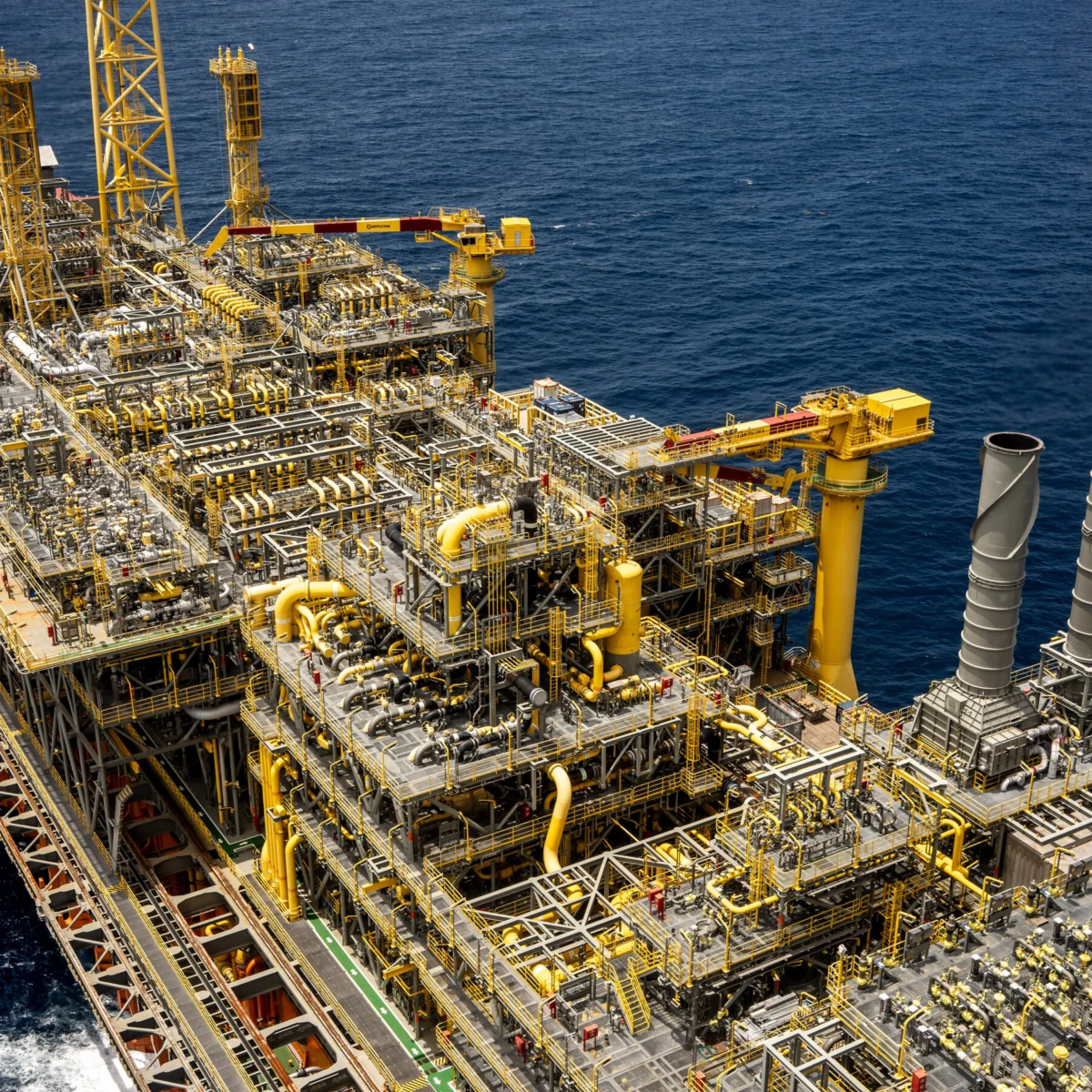
This question — why Guyana matters to Exxon — leads directly into its rising oil output. Over the past several years, Guyana has shifted from being a minor oil producer to a fast-growing one, largely due to Exxon’s offshore projects. The company’s Stabroek Block developments have yielded multiple successful wells, contributing meaningfully to global supply.
For Exxon, these discoveries represent rare upside in an industry where mature fields elsewhere are declining. The Guyana program supports long-term output targets and helps offset aging assets in other regions. Still, operations there depend on stable government relations.
How Political Instability Affects Investment
What happens when political instability threatens investment in Guyana? Since oil was discovered, Guyana has faced domestic unrest, contested elections, and shifting policy directions. These factors can delay permits, complicate joint-venture agreements, and raise concerns among foreign investors.
Exxon must balance its commercial goals with unpredictable regulatory changes. Any pause or reversal could disrupt revenue flows tied to Guyana oil. The company has so far maintained dialogue with officials despite periodic tensions.
Border Dispute Adds International Risk
Who is affected by the Venezuela-Guyana border dispute? Both nations claim parts of offshore territory believed to hold energy reserves. That overlap raises questions about future exploration rights and security guarantees — issues that directly involve companies like Exxon.
While Exxon has not commented publicly on the dispute itself, any escalation would test its presence in Guyana. International mediation remains ongoing, but outcomes are uncertain. Investors watch closely for signs of de-escalation or further confrontation.
What We Know — and What We Don’t
Verified by the source:
- Exxon Mobil operates in Guyana and considers it a coveted growth area.
- The country’s internal politics are described as fractious.
- Guyana and Venezuela are involved in a territorial dispute.
- Exxon is active in navigating local political conditions.
Still unconfirmed:
- No specific dates or production volumes were provided.
- Names of executives or officials are absent.
- Magnitude of financial impact from Guyana oil undisclosed.
- Details on how Exxon is managing risk remain vague.
li>No quotes or formal statements cited.
Why It Matters
The intersection of Guyana oil and geopolitics affects energy markets and investor sentiment worldwide. As one of the most significant new oil provinces recently, Guyana shapes supply outlooks. Disruptions here could ripple through pricing and strategic planning across major oil firms.
What To Watch
Developments in Guyana’s political landscape and diplomatic progress on the Venezuela border issue will determine whether Exxon’s Guyana oil success story continues smoothly.
Exxon’s Guyana operations highlight how energy investments intersect with regional politics and international conflicts.