Lede
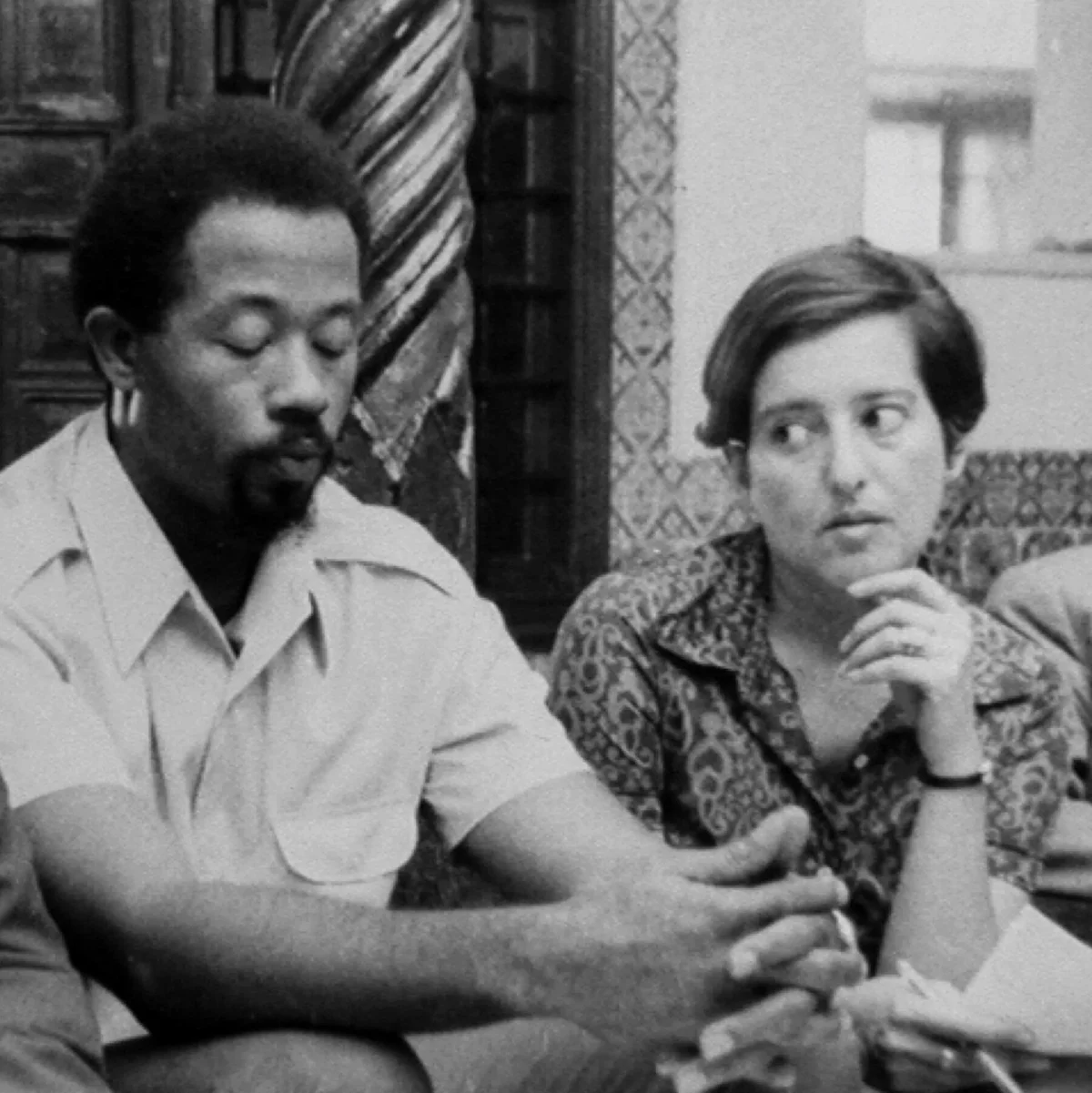
Elaine Mokhtefi, an American witness to Algeria’s revolution, died at age 98. Her work as a fixer for Algeria’s government connected her with radicals and revolutionaries, and she helped establish an international base for the Black Panthers in Algiers. Mokhtefi’s life intersected with pivotal moments in 20th-century geopolitics, bridging movements across continents.
Reporting from NYT World News confirms her death but provides no further details about cause, time, or location. Her legacy centers on her role during and after Algeria’s struggle for independence.
Key Facts
- Age: 98
- Role: Fixer for Algeria’s government
- Activities: Befriended radicals and revolutionaries
- Connection: Helped Black Panthers establish international base in Algiers
The Story: Who Was Elaine Mokhtefi?
Mokhtefi served as a fixer for Algeria’s government during a period of intense upheaval. As a fixer, she would have acted as an intermediary, translator, and facilitator for officials, journalists, or diplomats operating in a complex environment. Her work placed her directly within the orbit of Algeria’s revolutionary movement.
The term ‘radicals and revolutionaries’ refers broadly to individuals advocating for or engaged in fundamental political change, particularly during Algeria’s war of independence from France. By befriending such figures, Mokhtefi aligned herself with forces shaping the post-colonial landscape of North Africa. This was not a passive role; it required navigating dangerous political terrain and building trust among armed and ideologically driven groups.
How Did We Get Here?
Mokhtefi’s connection to the Black Panthers illustrates the global reach of 1960s radical movements. The Black Panther Party, primarily based in the United States, sought international solidarity and support. Establishing an international base in Algiers offered strategic advantages—diplomatic distance from U.S. law enforcement and access to Algeria’s post-independence government, which was sympathetic to anti-imperialist causes.
Algiers became a hub for liberation movements and dissident groups during this era. Mokhtefi’s role in helping the Black Panthers establish a presence there underscores her position within transnational networks of resistance. These connections were not merely symbolic; they had real political weight, offering resources, legitimacy, and safe passage.
What Happens Next?
With Mokhtefi’s death, questions may arise about archived materials, personal records, or firsthand accounts tied to her work. However, no successor organizations or official statements are mentioned in available reporting. Public memory of figures like Mokhtefi often depends on historical scholarship and oral histories rather than active political roles.
What We Know — and What We Don’t
Verified by the source:
- Elaine Mokhtefi died at age 98
- She worked as a fixer for Algeria’s government
- She befriended radicals and revolutionaries
- She helped the Black Panthers establish an international base in Algiers
Still unconfirmed:
- Date and place of death
- Cause of death
- Specific identities of individuals she worked with
- Exact timeline of her activities in Algeria
Why It Matters
Understanding figures like Mokhtefi helps contextualize the interconnected nature of global revolutionary movements in the mid-20th century. Her story reflects how individuals operated across borders, languages, and ideologies, contributing to shifts that still echo today. As younger generations engage with ongoing conflicts rooted in colonial histories, personal accounts from this era remain vital.
What To Watch
Future academic work or memoirs may shed more light on Mokhtefi’s contributions. For now, her passing marks the loss of a direct link to a pivotal chapter in modern geopolitics.