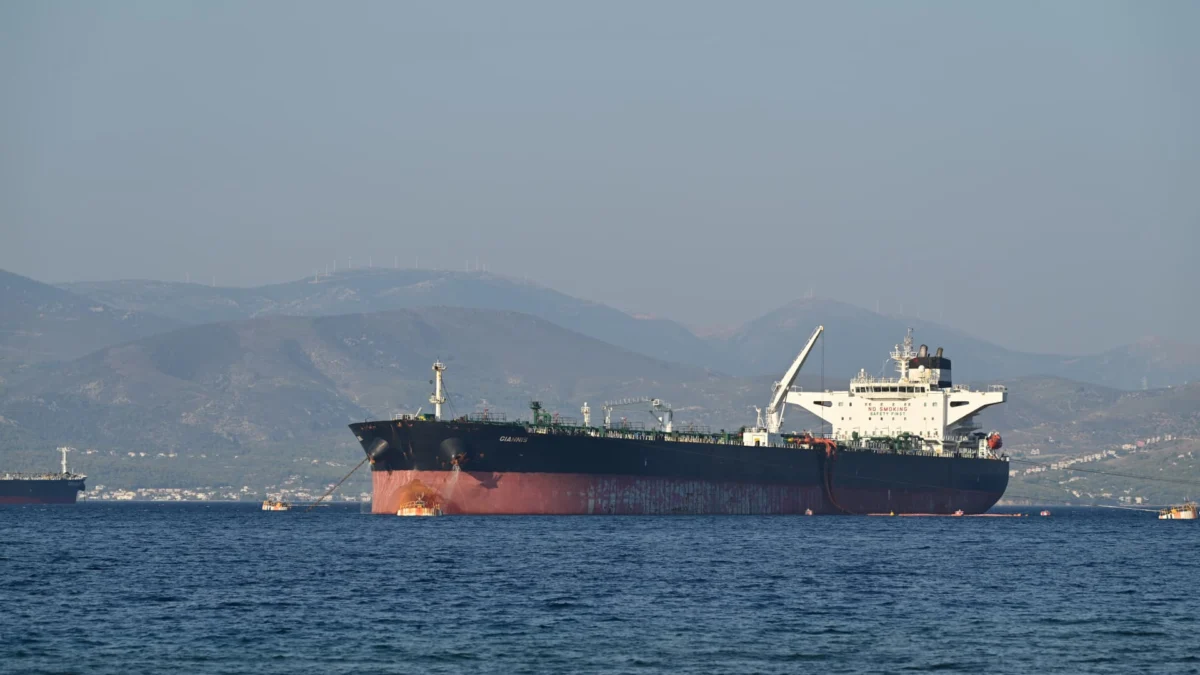
Gulf nations are unlikely to support or comply with a proposed toll system for safe passage through the Strait of Hormuz, according to conversations reported by US Top News and Analysis. The strategic waterway, a vital conduit for global oil shipments, has long been a point of geopolitical tension.
Any attempt to impose fees could face resistance from regional stakeholders, who may view it as an infringement on sovereignty or an unnecessary burden on trade. The strait remains a flashpoint for international maritime security.
KEY FACTS
- Gulf nations are reluctant to agree to a toll for safe passage through the Strait of Hormuz.
- The reluctance is based on reported conversations cited by US Top News and Analysis.
- No specific details about proposed toll amounts or enforcement mechanisms were provided.
Why Is the Strait of Hormuz Important?
The Strait of Hormuz is one of the world’s most critical maritime chokepoints, with nearly a third of global seaborne oil passing through it daily. Bordering Iran, Oman, and the UAE, the strait is a lifeline for Gulf energy exports. Any disruption or additional cost to shipping could have ripple effects on global oil markets.
What Are the Potential Obstacles to a Toll Plan?
Implementing a toll system in the Strait of Hormuz would require coordination among multiple nations, including those with competing interests. Gulf states may resist ceding control over maritime policy, and Iran has historically asserted strong claims over the waterway. Additionally, shipping companies and energy markets could push back against added costs.
WHAT WE KNOW — AND WHAT WE DON’T
Verified by the source:
- Gulf nations are unlikely to agree to a toll for safe passage.
- The assessment is based on conversations cited in the report.
Still unconfirmed:
- Which countries or entities proposed the toll plan.
- Whether formal discussions have taken place.
- How enforcement of such a toll would work.
WHY IT MATTERS
The Strait of Hormuz is a linchpin of global energy security, and any changes to its governance could impact oil prices and trade flows. Resistance to a toll plan suggests that Gulf nations prioritize maintaining current maritime norms over potential revenue generation.
WHAT TO WATCH
Further developments on maritime policy in the region, including any official statements from Gulf governments or international bodies regarding toll proposals.