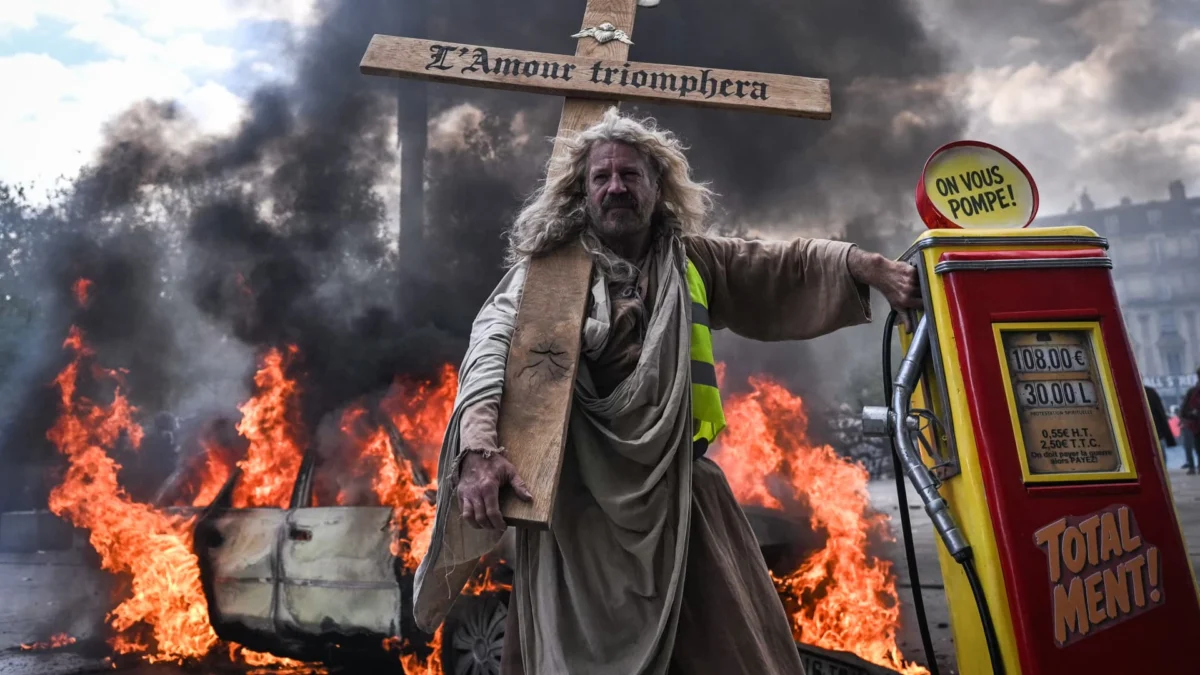
European protests have intensified across multiple nations, driven by mounting frustration over soaring living costs, deteriorating school conditions, and an escalating housing crisis. Citizens expressed anger through street demonstrations, reflecting widespread dissatisfaction with economic pressures affecting households. These European protests signal a broader pattern of social discontent tied to basic quality-of-life issues.
Organizers and participants channeled grievances into public action, with crowds gathering in major cities to voice opposition to perceived failures in policy response. The unrest reflects deep concerns about affordability and access to essential services such as education and housing. Analysts note that these European protests may influence upcoming political discussions around economic reform and public investment.
Key Facts
- Protests occurred in France and several other European countries.
- Main grievances include rising living costs, poor schooling conditions, and a housing crisis.
- Public demonstrations reflect widespread frustration among citizens.
What Are People Demanding?
The European protests stem from daily struggles that many citizens face as prices rise faster than wages. Families report difficulty affording groceries, utilities, and rent, leading to increased reliance on savings or debt. Schools also came under scrutiny during the demonstrations, with parents and teachers highlighting overcrowded classrooms and outdated infrastructure as systemic problems affecting student outcomes. Housing shortages have left many unable to secure stable accommodation, particularly in urban areas where demand far exceeds supply. In cities across Europe, demonstrators carried signs calling for rent controls, expanded social housing, and stronger tenant protections to address what they describe as an urgent affordability crisis. Economic experts suggest that without targeted interventions, these pressures could deepen inequality and strain public services further. Meanwhile, government officials have acknowledged the need for dialogue but have not yet announced comprehensive policy changes to meet protester demands.
How Did We Get Here?
The roots of the European protests trace back to years of economic strain compounded by recent global disruptions. Inflation driven by energy shocks, supply chain bottlenecks, and labor market shifts has eroded purchasing power for middle- and lower-income households. At the same time, government spending on education and housing has struggled to keep pace with population growth and demographic shifts. Many schools lack modern facilities or adequate staffing levels, contributing to frustration among educators and families alike. Urban centers have seen housing stock lag behind new residents, pushing homeownership out of reach for younger generations and increasing homelessness risks. These long-standing structural issues gained renewed attention when civic groups began organizing rallies focused on cost-of-living reforms. Social movements say peaceful assembly remains crucial for amplifying marginalized voices despite limited media coverage. As public trust in institutions wavers, authorities face mounting pressure to deliver tangible relief measures before tensions escalate.
What Happens Next?
Future actions will likely depend on how quickly governments respond to protester concerns and whether meaningful reforms gain traction in legislative bodies. Organizers say additional demonstrations are planned unless policymakers introduce concrete proposals addressing inflation, school funding, and housing access. Labor unions and advocacy coalitions are coordinating efforts to maintain momentum beyond initial rallies. Some political leaders have signaled openness to dialogue, while others urge calm amid fears of escalation. International observers are watching closely given similar patterns emerging in neighboring regions. Public opinion surveys may offer insight into shifting attitudes toward current administrations. Whether these European protests lead to lasting policy change remains uncertain as both sides weigh strategic options moving forward.
What We Know — and What We Don’t
Verified by the source:
- Protests took place in France and multiple European countries.
- Rising living costs were cited as a primary cause of unrest.
- Concerns about school conditions contributed to public anger.
- A housing crisis was identified as a key motivating factor.
Still unconfirmed:
- No official death toll or injury count provided.
- No specific number of participants reported.
- No detailed timeline or exact locations listed.
- No named individuals or organizations involved disclosed.
Why It Matters
These European protests reflect a growing sense of economic anxiety that transcends borders and could reshape electoral landscapes across the continent. When large segments of society feel priced out of basic needs like food, shelter, and quality education, unrest often follows. For voters, sustained demonstrations serve as barometers of public mood—a warning that conventional politics may be losing legitimacy. Businesses too must reckon with potential instability affecting consumer spending habits and workforce morale. Policymakers now confront a narrow window to rebuild confidence through credible reforms or risk deeper alienation from governed communities. How they respond may define not only short-term governance challenges but also longer-term democratic resilience in Europe.
What To Watch
Officials have yet to announce formal responses to the demands raised during the European protests, leaving future outcomes unclear. Observers expect further organizing activity contingent upon governmental reactions in the coming weeks.
Explore more updates in economy-markets. Read related coverage in politics.