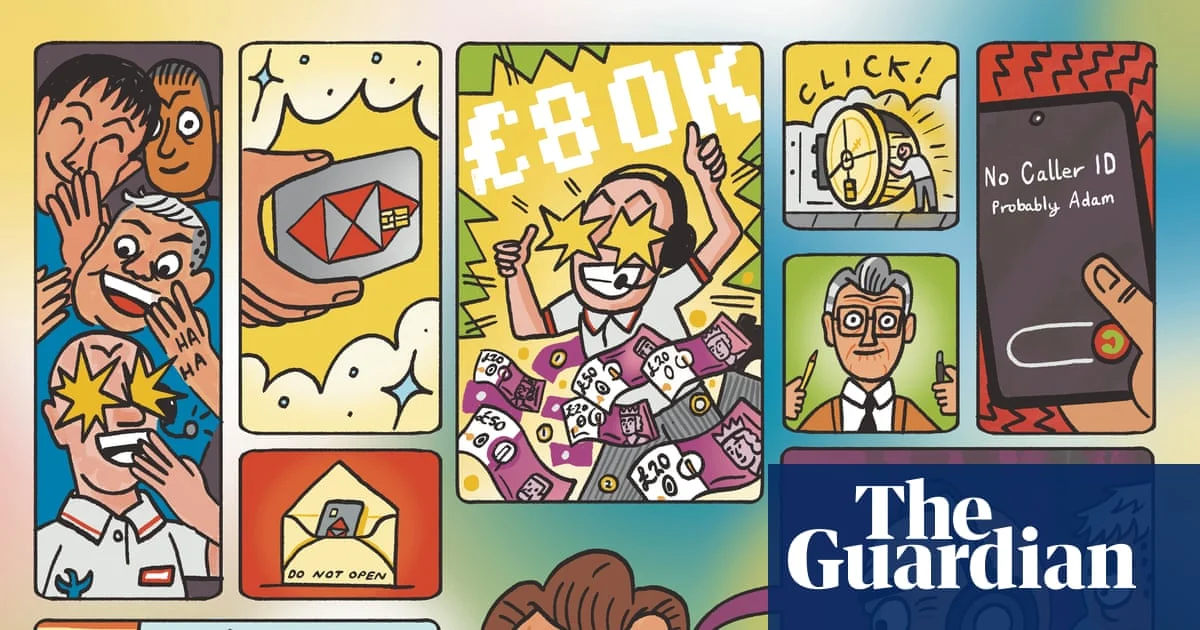
A Guardian Money reader recently turned the tables on bank impersonation scammers by wasting their time with a fake story about having £80,000 in an account and even providing a false PIN number. The reader, who frequently receives such scam calls, decided to engage with the fraudsters for hours instead of immediately ending the call.
The scam call began with an automated message claiming to be from Barclays Bank, questioning a supposed £1,000 payment to Argos. The recipient knew it was fake both because they didn’t bank with Barclays and hadn’t made any recent Argos purchases. While they normally confront and end such calls quickly, this time they chose to play along extensively.
KEY FACTS
- A Guardian Money reader received a scam call from an automated message pretending to be Barclays Bank
- The message questioned a fake £1,000 payment to Argos
- The reader, who doesn’t bank with Barclays, typically ends such calls but this time strung the scammers along for hours
- They claimed to have £80,000 in the account and even provided a fake PIN number
How do these scams typically work?
Bank impersonation scams have become increasingly common, with fraudsters using spoofed numbers and sophisticated social engineering tactics. They often begin with alarming messages about suspicious transactions, pressuring victims into providing account details or transferring money to ‘safe’ accounts. The calls may appear to come from legitimate bank numbers thanks to caller ID spoofing technology.
Why engage with scammers instead of hanging up?
While security experts generally recommend simply hanging up on suspected scam calls, some choose to engage as a form of vigilante justice. Wasting scammers’ time means they have less opportunity to target more vulnerable victims. However, this approach carries risks – prolonged interactions might expose devices to malware or give scammers more information to use in future attacks.
WHAT WE KNOW — AND WHAT WE DON’T
Verified by the source:
- The reader received an automated scam call pretending to be from Barclays about a £1,000 Argos payment
- They typically end such calls but this time engaged the scammers for hours
- They falsely claimed to have £80,000 in an account and provided a fake PIN
Still unconfirmed:
- Exactly how long the interaction lasted
- Whether the scammers attempted any follow-up contact
- The specific methods used by these particular fraudsters
WHY IT MATTERS
Bank impersonation scams cost UK consumers millions annually, with sophisticated fraud networks constantly evolving their tactics. While financial institutions have implemented various security measures, public awareness and education remain crucial defenses. Stories like this highlight both the prevalence of such scams and the importance of not engaging with suspicious callers.
WHAT TO WATCH
As scammers continue refining their approaches, consumers should remain vigilant about any unsolicited financial contact. Banks typically advise customers to never share sensitive information over the phone and to independently verify any suspicious communications through official channels.