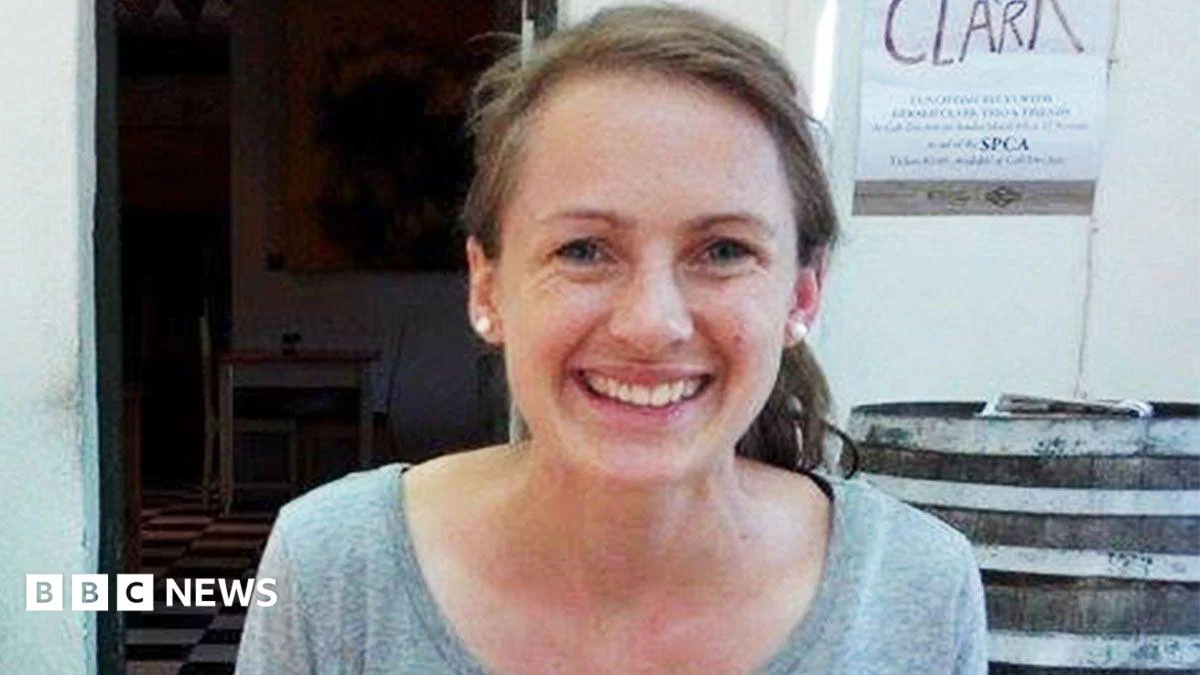
Greek authorities are prioritizing toxicology tests to determine the cause of death of Elisabeth-Jane Ross, a British woman whose body was found in a suitcase. Police have not yet confirmed whether her death is being treated as murder.
The case has drawn international attention as investigators work to establish the circumstances surrounding Ross’s death. The urgency of the toxicology tests suggests authorities are treating the case as potentially suspicious, but no official determination has been made.
KEY FACTS
- Greek police are fast-tracking toxicology tests in the death of Elisabeth-Jane Ross
- Ross’s body was found in a suitcase in Greece
- Authorities have not yet determined if the death was murder
- The victim was a British national
WHAT TESTS COULD REVEAL
The accelerated toxicology tests being conducted may help determine whether Ross was poisoned, drugged, or died from other causes. Such tests typically analyze blood, tissue and other bodily fluids for substances that could explain or contribute to death.
Forensic pathologists use toxicology results alongside other autopsy findings to reconstruct events leading to death. In high-profile cases like this, authorities often prioritize these tests to provide answers to investigators and the public.
WHAT COMES NEXT IN THE INVESTIGATION?
Police will need to await the toxicology results before deciding whether to upgrade the investigation to a murder case. If suspicious substances are found, this could trigger a fuller homicide investigation involving international cooperation between Greek and British authorities.
The suitcase discovery suggests possible foul play, but investigators typically wait for concrete forensic evidence before making public conclusions. The lack of immediate murder classification doesn’t preclude that possibility developing later.
WHAT WE KNOW — AND WHAT WE DON’T
Verified by the source:
- Greek police are expediting toxicology tests
- The deceased is Elisabeth-Jane Ross, a British woman
- Her body was found in a suitcase in Greece
Still unconfirmed:
- Whether Ross’s death is being treated as murder
- How long the body may have been in the suitcase
- The specific location in Greece where the body was found
WHY IT MATTERS
This case highlights the challenges in determining causes of suspicious deaths abroad, particularly when bodies are found in unusual circumstances. For families like Ross’s, the inability to get immediate answers can compound their grief.
The international nature of the case also demonstrates how death investigations often require cooperation across borders, with different legal systems and protocols sometimes slowing the process.
WHAT TO WATCH
Authorities have indicated the toxicology tests are being prioritized, meaning results could come sooner than typical cases. These findings may determine whether Greek police launch a full murder investigation.