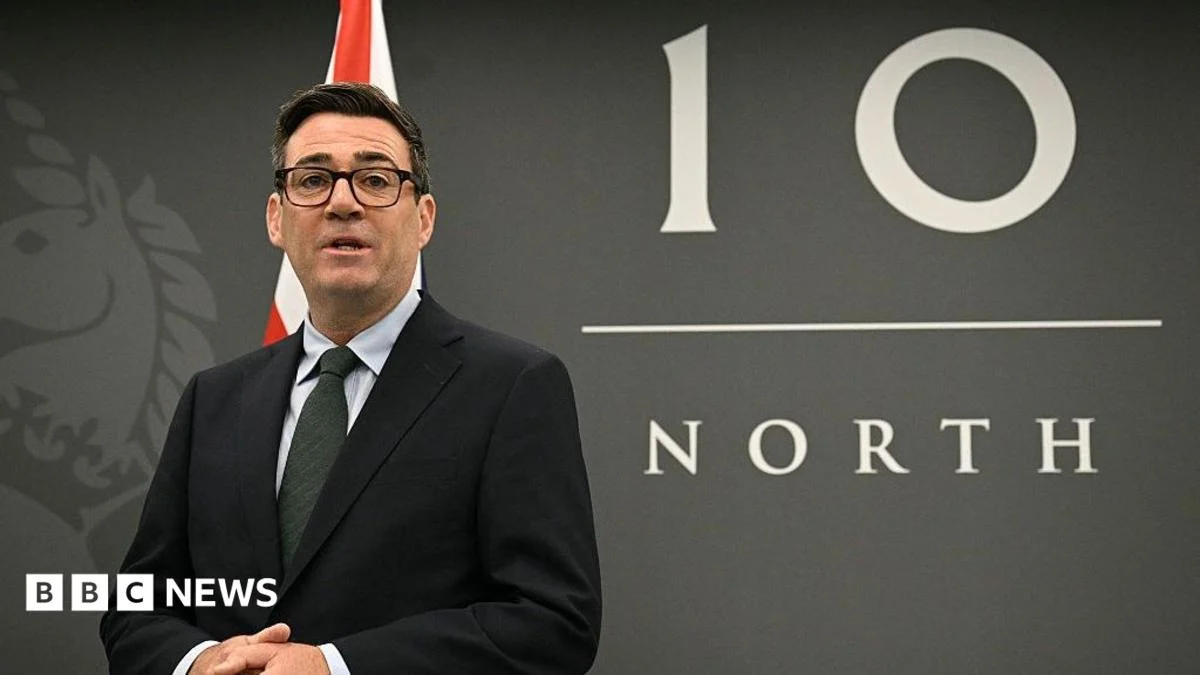
A mindset shift is needed within government on No10 North, according to its deputy director. Speaking at a conference, the deputy director said institutional barriers remain a challenge for the initiative. No10 North refers to efforts aimed at relocating or expanding UK government functions beyond London, a policy priority for the current administration. The deputy director emphasized that meaningful progress will require changes in how government departments approach collaboration and regional development. While specific details of the announcement were limited, the comments highlight ongoing debates about decentralizing public sector work across the UK.
Key Facts
- Duncan Parish, deputy director of No10 North, called for a mindset shift within government.
- He described facing institutional barriers during his remarks at a recent conference.
- No10 North is part of broader UK government plans to expand presence outside London.
The Story
What Is No10 North?
No10 North refers to plans to establish satellite offices or departments linked to 10 Downing Street in locations outside of London. This initiative aligns with long-standing political pledges to spread economic opportunity and public services beyond the capital city. According to BBC News, the initiative has encountered resistance from entrenched practices within central government. Institutional inertia can slow down policy implementation, especially when multiple departments must coordinate across regions. The deputy director’s comments underscore how cultural resistance may pose as large a hurdle as logistical or financial constraints.
How Did We Get Here?
The idea of relocating some government functions gained traction after years of criticism over London-centric decision-making. Advocates argue that moving roles and resources elsewhere would boost local economies and improve access to governance for citizens outside the southeast. However, bureaucratic structures often resist change due to established workflows, IT systems, and personnel preferences. Speaking publicly allows officials like Duncan Parish to signal internal frustrations and push for reforms. Conferences serve as platforms where such challenges are discussed openly, though concrete timelines or targets have not yet been published.
What We Know — and What We Don’t
Verified by the source:
- The deputy director of No10 North is Duncan Parish.
- He spoke at a conference about institutional barriers affecting No10 North.
- His message included the phrase “mindset shift” being required within government.
Still unconfirmed:
- Exact date and location of the conference where these remarks were made.
- List of specific institutional obstacles cited by Parish.
- Timeline or roadmap for implementing recommended changes under No10 North.
Why It Matters
This discussion reflects wider conversations around fairness and accessibility in British governance. Whether No10 North succeeds could influence future investment decisions, job creation, and voter engagement nationwide. For many rural or northern communities, tangible signs of decentralization matter more than slogans. If leaders fail to address structural issues, skepticism toward government promises may grow further.
What To Watch
Updates are expected on whether new directives will follow Parish’s appeal. Further clarity on funding allocations or rollout phases might emerge through official briefings soon.
Meta description: Deputy director of No10 North calls for mindset shift amid continued institutional barriers, per BBC News coverage at a recent event.