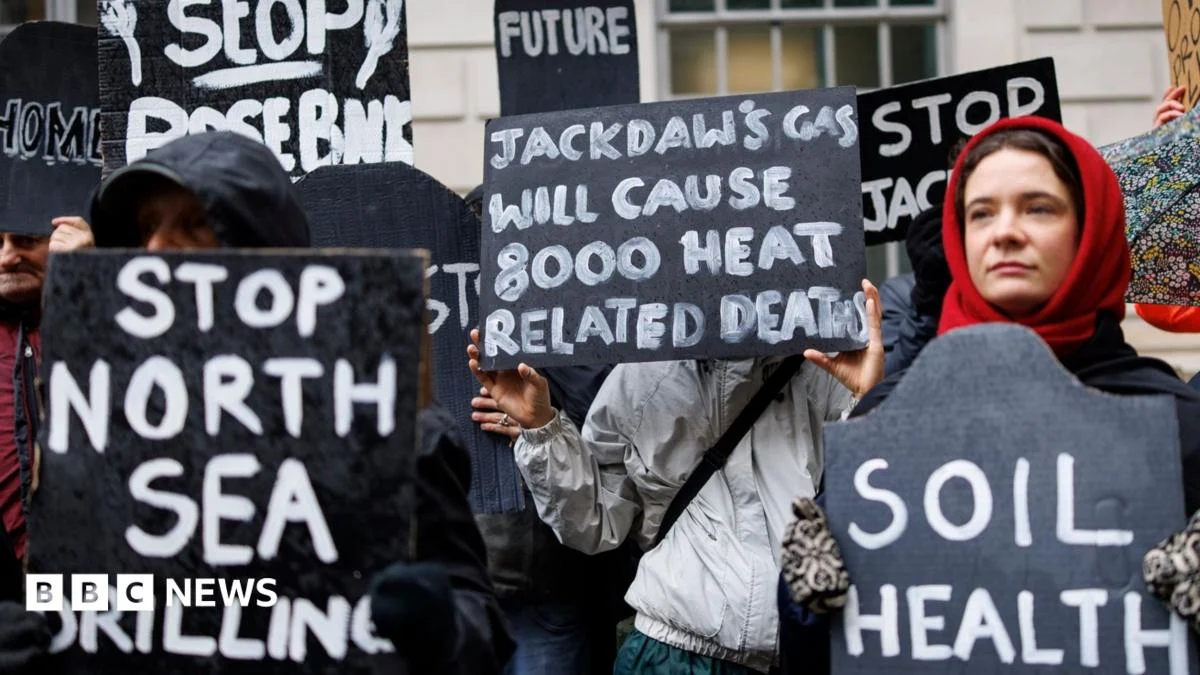
The UK government has approved production from the Jackdaw project, marking a pivotal moment in the nation’s ongoing energy and climate policy discussions. This decision has intensified scrutiny over the project’s environmental implications and economic ramifications, with critics questioning the broader impact on the UK’s climate commitments. Supporters argue the project could strengthen domestic energy security, while opponents warn it may undermine efforts to reduce carbon emissions.
The Jackdaw production approval reflects a delicate balance between energy needs and environmental stewardship, highlighting divisions within political and public circles. As debates unfold, the decision underscores the challenges facing policymakers navigating energy independence alongside climate goals.
Key Facts
- Approval Granted: The UK government has approved production from Jackdaw.
- Environmental Impact: The project’s environmental effects are under intense debate.
- Economic Concerns: Discussions about the project’s costs are ongoing.
- Category: Politics
What Happens Next?
Following the Jackdaw production approval, stakeholders are bracing for further developments. Activists and environmental groups are expected to challenge the decision through legal and public channels, potentially delaying or reshaping implementation. Government officials may face renewed pressure to justify the project’s alignment with national climate targets, particularly as opposition parties and civic organizations mobilize. The timing of any formal responses — including parliamentary inquiries or judicial reviews — remains uncertain. Meanwhile, energy industry players will likely assess how the approval affects investment strategies and infrastructure planning. Public sentiment, influenced by broader concerns over cost-of-living pressures and environmental justice, could also shape the project’s trajectory. While the approval signals regulatory momentum, sustained debate over the project’s future is all but guaranteed.
Who Is Affected?
The Jackdaw production approval carries implications for a range of actors across the UK and beyond. Environmental advocates and local communities may confront changes to landscapes and ecosystems tied to the project, raising concerns about long-term sustainability. Taxpayers and consumers could see shifts in energy pricing and government spending, especially if costs escalate or subsidies become necessary. Energy sector companies involved in extraction or distribution stand to gain new opportunities, though they also assume responsibility for associated risks. Politically, lawmakers face mounting pressure to defend or oppose the decision, particularly ahead of future elections. Internationally, the approval may influence the UK’s credibility in climate negotiations, where its commitment to reducing emissions is closely watched. Each group’s perspective reflects broader tensions between economic interests and environmental priorities.
How Did We Get Here?
The path to the Jackdaw production approval has been shaped by years of competing narratives around energy policy and climate action. Proposals for the project initially surfaced amid national discussions about securing reliable energy supplies, particularly following disruptions in global markets. Over time, the project gained traction among some policymakers who framed it as essential to maintaining energy independence. At the same time, environmental scientists and advocacy groups raised alarms about potential harm to marine ecosystems and contributions to greenhouse gas emissions. Parliamentary debates grew increasingly polarized, with some lawmakers emphasizing job creation and economic benefits, while others insisted the project contradicted the UK’s net-zero ambitions. Public consultations, legal challenges, and media coverage all contributed to a charged atmosphere. Despite these tensions, the government ultimately moved forward with the Jackdaw production approval, setting the stage for a protracted battle over its legacy. The decision reflects deeper divisions about how Britain should balance energy needs with environmental responsibility.
What We Know — and What We Don’t
- Verified by the source:
-
- The UK government approved production from Jackdaw.
- Debate surrounds the project’s environmental impact.
- Economic costs of the project are under discussion.
- Still unconfirmed:
-
- Exact timeline for project implementation.
- Specific environmental consequences or mitigation plans.
- Detailed economic cost projections or funding sources.
- Identity of key decision-makers or spokespersons.
Why It Matters
The Jackdaw production approval arrives at a critical juncture when governments worldwide are recalibrating energy strategies amid climate imperatives. For the UK, the choice reflects a persistent dilemma: balancing immediate energy security with long-term environmental sustainability. This tension resonates beyond national borders, as similar debates unfold across Europe and other regions dependent on fossil fuel infrastructure. Public trust, political accountability, and international climate credibility all hang in the balance, making the outcome of the Jackdaw controversy a bellwether for future energy policy decisions.
What To Watch
Future legal challenges and parliamentary scrutiny may determine whether the Jackdaw production approval withstands public and judicial review.