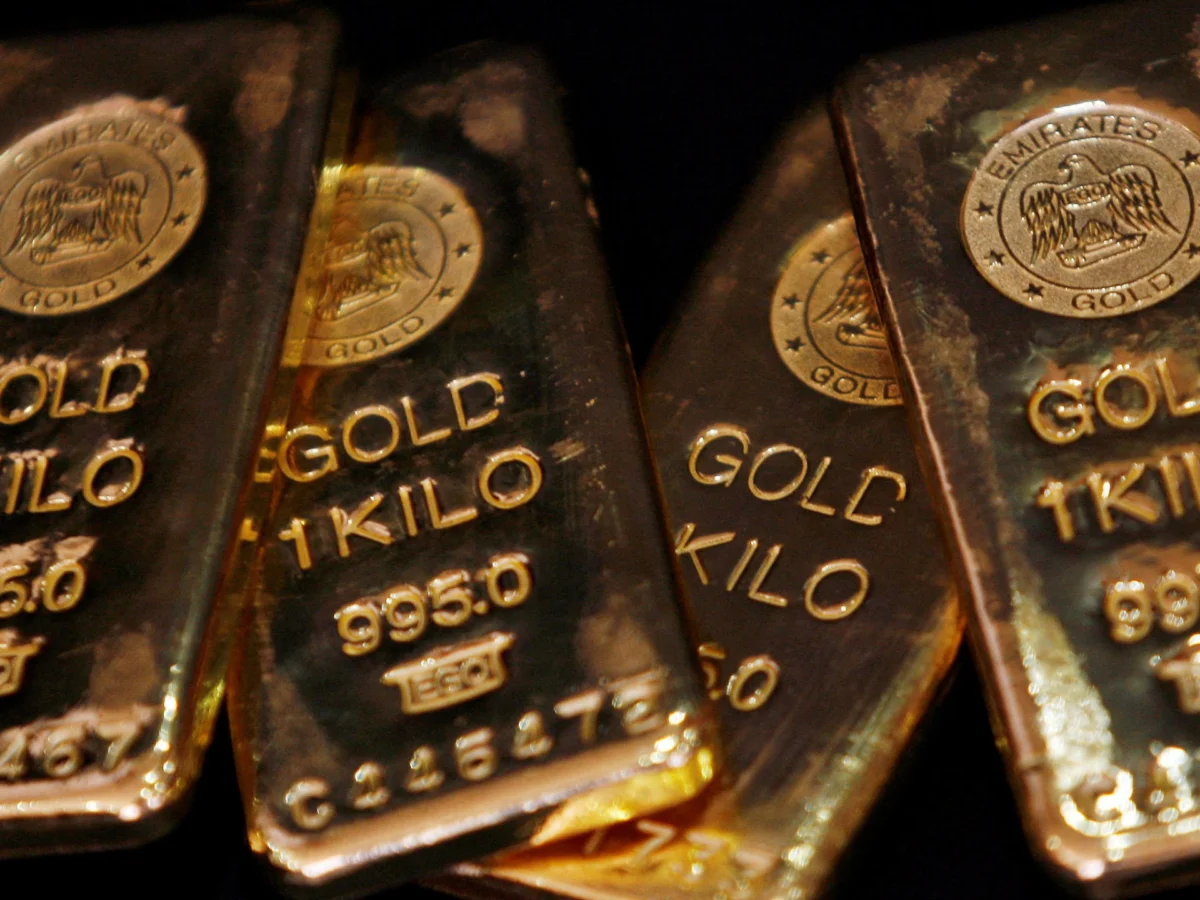
Gold prices fell to a seven-week low as rising oil prices and a stronger US dollar weighed on the precious metal, marking a notable downturn in global commodity markets.
The decline continued for silver, which recorded a nearly 5 percent loss, reflecting broader weakness across precious metals amid shifting economic conditions.
KEY FACTS
- Gold hits seven-week low.
- Silver records nearly 5 percent loss.
- Decline driven by rising oil prices and higher US dollar.
What drove the drop in gold prices?
The fall in gold prices appears tied to upward pressure from two key factors: climbing oil prices and a strengthening US dollar. When oil prices rise, it often signals increasing inflationary pressure, which can make non-yielding assets like gold less attractive to investors seeking steady returns. Meanwhile, a stronger US dollar makes gold more expensive for holders of other currencies, reducing demand.
Precious metals such as gold and silver are typically seen as safe-haven assets during periods of economic uncertainty. However, when investor confidence improves or when alternative investments offer better returns, demand for these metals tends to decline. In this case, the combination of rising energy costs and a robust dollar likely reduced appetite for gold as an investment vehicle.
Silver, which often mirrors the movement of gold but with greater volatility, followed gold lower, suffering a nearly 5 percent loss. This sharp drop underscores how sensitive industrial and investment metals can be to broader macroeconomic shifts.
What happens next for gold and silver?
Market analysts suggest that further movements in gold prices will largely depend on additional developments in oil markets and US monetary policy. If the US dollar continues to strengthen, or if oil prices keep climbing, downward pressure on gold could persist. Conversely, signs of economic slowdown or renewed volatility might drive buyers back into gold as a protective asset.
Silver may remain especially reactive to industrial demand trends, given its widespread use in manufacturing sectors including electronics and solar panels. Any disruption in those industries due to rising input costs or supply chain issues could influence silver prices independently of gold.
For now, investors appear to be positioning themselves cautiously, weighing the risks posed by inflation against potential gains elsewhere in the market. Both gold and silver remain under close watch as barometers of broader economic sentiment.
What We Know — and What We Don’t
Verified by the source:
- Gold reached a seven-week low.
- Silver experienced a loss of nearly 5 percent.
- Rising oil prices and a higher US dollar contributed to the decline.
Still unconfirmed:
- Specific timing of the price drops.
- Exact values for gold and silver at their lowest points.
- Detailed commentary from market officials or analysts.
Why It Matters
Movements in gold and silver often signal changing investor attitudes toward risk and economic stability. Falling prices in these metals may indicate growing confidence in financial markets, or concern over inflation driven by energy costs. For everyday consumers, shifts in commodity markets can eventually influence everything from fuel prices to the cost of electronic goods.
What To Watch
Investors are likely to monitor upcoming US Federal Reserve communications for clues about future interest rate decisions. Additionally, fluctuations in oil markets and dollar strength will continue playing a major role in shaping gold prices in the days ahead.