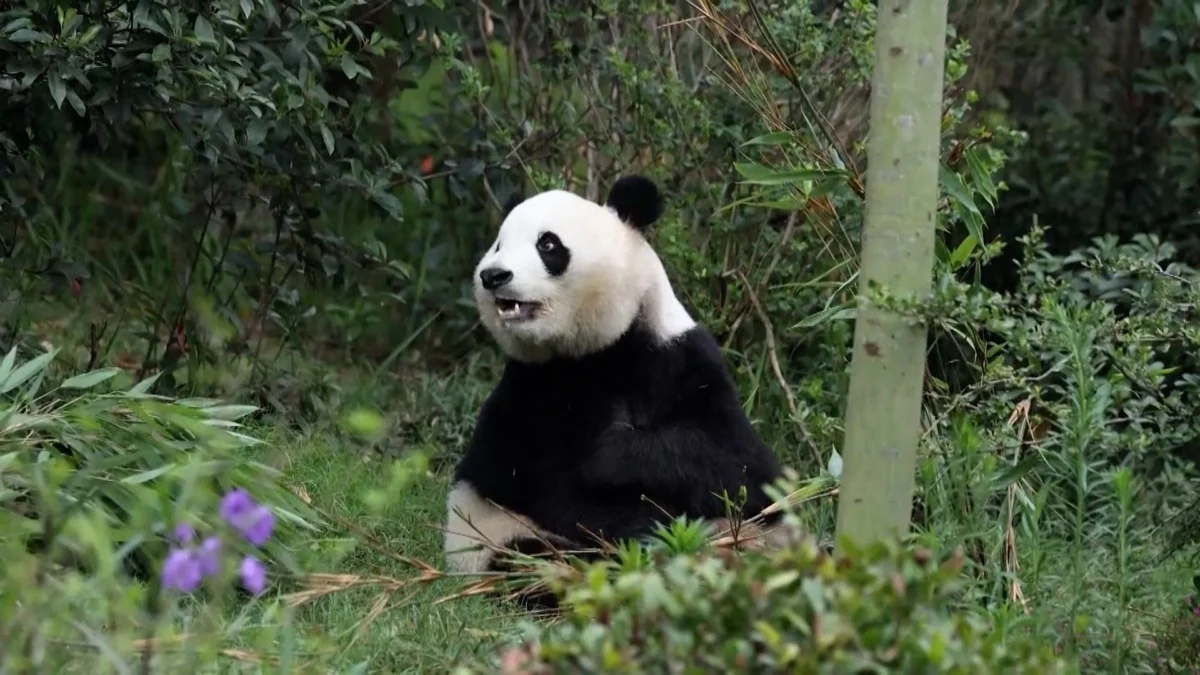
Two giant pandas from China have arrived in the United States and are heading to Zoo Atlanta, marking a diplomatic and cultural milestone in US-China relations. The arrival of the so-called ‘friendship pandas’ signals renewed cooperation between the two nations, particularly in conservation and cultural exchange efforts involving wildlife programs.
The pandas reached U.S. soil and are en route to their new home at Zoo Atlanta, one of the few facilities in the country accredited to house giant pandas. Their arrival reflects years of collaboration between Chinese wildlife authorities and American zoos aimed at protecting endangered species while fostering goodwill across international borders.
Key Facts
- Two giant pandas arrived in the United States from China.
- The pandas are heading to Zoo Atlanta.
- Their arrival marks a moment in US-China relations.
- The pandas were referred to as friendship pandas in reporting.
What Happens Next for the Friendship Pandas?
Upon arrival at Zoo Atlanta, the giant pandas will undergo standard health monitoring and acclimation procedures before being introduced to their designated habitat. Zoo staff typically follow strict protocols established by both American and Chinese conservation teams to ensure the animals’ well-being during transition periods. These protocols often include veterinary assessments, behavioral observation sessions, and controlled introductions to existing environments.
Giant panda conservation is a globally recognized effort led primarily by China, which collaborates with select international institutions through loan agreements. Historically, such loans have served dual purposes—supporting breeding programs abroad while strengthening diplomatic ties. The friendship pandas now in Atlanta continue this tradition, symbolizing mutual commitment to protecting an iconic species listed as vulnerable by conservation groups.
How Did We Get Here?
The tradition of loaning giant pandas to foreign zoos dates back decades, often timed with phases of improved political relations between China and recipient countries. Past panda loans have coincided with diplomatic openings, trade agreements, or cultural exchanges, making each arrival a barometer of bilateral sentiment. This latest pair follows previous collaborations involving major U.S.-based zoos under formal agreements coordinated by national wildlife agencies in both nations.
Beyond symbolism, these programs generate funding and public attention critical to ongoing research into panda reproduction, genetics, and habitat preservation. Contributions from participating zoos help support fieldwork in remote regions of China where wild populations remain fragile despite intensive protection measures. As such, the presence of friendship pandas in Atlanta extends benefits far beyond visitor engagement or media interest.
What We Know — and What We Don’t
Verified by the source:
- Two giant pandas traveled from China to the United States.
- They are bound for Zoo Atlanta.
- Their arrival is viewed as significant to US-China relations.
- They were labeled ‘friendship pandas’ in initial reports.
Still unconfirmed:
- The exact date or route taken by the pandas.
- Names, ages, genders, or individual backgrounds of the pandas.
- Names of any officials involved in the transfer.
- Details about the terms of the loan agreement or long-term plans.
Why It Matters
For many observers, high-profile animal arrivals like these serve as rare points of connection amid shifting diplomatic landscapes. In times of tension or uncertainty, symbolic gestures rooted in shared environmental goals can offer glimmers of continuity and cooperation. While not substitute for formal diplomacy, the friendship pandas reinforce narratives around stewardship, cross-cultural communication, and peaceful coexistence—all themes resonant within broader global discussions linked via [war-geopolitics] and [<a href="/climate-environment].
What To Watch
Future updates may include official statements from either government, health check announcements from Zoo Atlanta, or details regarding public viewing schedules once the pandas settle into their new environment.