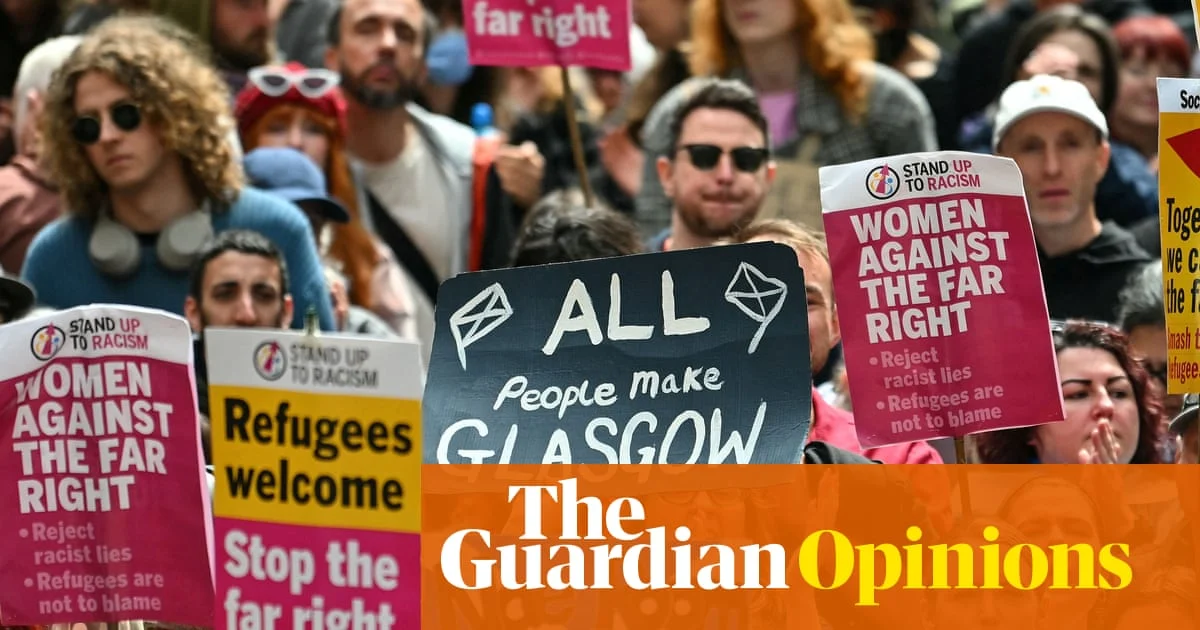
Lede: Singh’s experience captures both Glasgow’s renowned hospitality and its recent troubling turn toward exclusion. When she first arrived from India in 2018, Glasgow embodied the city’s official “People Make Glasgow” slogan through warm welcomes and inclusive spaces. Now, amid post-pandemic economic strains, she reports mounting racist incidents and far-right activity that make her feel scrutinized rather than embraced.
Key Facts:
- Sanghmitra Singh moved from India to Glasgow in 2018, initially experiencing kindness and acceptance
- Scottish/Glaswegian friendliness was touted as superior to England’s (“We’re not like the south of us”)
- The city’s “People Make Glasgow” motto appeared widely on public items
- Post-COVID austerity and recession coincided with rising far-right violence
- Singh now observes increased racist disorder and personal scrutiny
How Glasgow changed for immigrants
Singh describes 2018-2020 Glasgow as offering immigrant women rare freedoms—walking safely at night, dressing as desired, participating freely in cultural life. Music/art events specifically promoted diversity and inclusion during this period. Helpful strangers and respectful public behavior (like queue etiquette) made integration seamless.
What sparked the shift?
While no single cause is specified, Singh ties the decline to three intersecting pressures: COVID-19’s social disruptions, recessionary economics, and austerity policy aftermath. These created conditions where far-right elements gained visibility through violent incidents. Neither authorities’ responses nor perpetrator details are mentioned.
What We Know — and What We Don’t
- Verified by the source:
- Glasgow showed exceptional immigrant welcome pre-pandemic
- Far-right activity has risen measurably since 2020
- Economic factors correlate with increasing racist incidents
- Still unconfirmed:
- Whether violence targets specific immigrant groups disproportionately
- Local government responses to hate crimes
- Statistical trends supporting anecdotal observations
Why It Matters: Glasgow’s reputation as a tolerant city affects both immigrant quality-of-life and Scotland’s international standing. If its celebrated friendliness yields to exclusion, the loss extends beyond personal experience to civic identity.
What To Watch: Whether Pass the Mic’s partnership garners responses from officials or community organizers about addressing racist disorder. Critics argue economic stress shouldn’t erode social values.