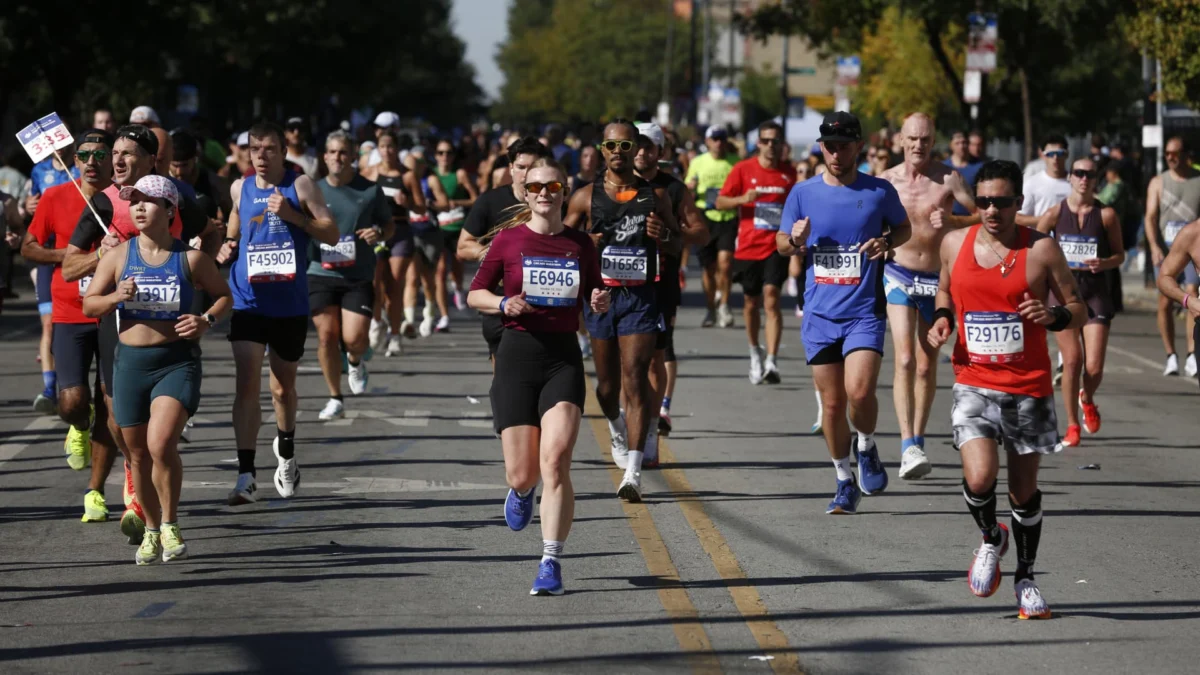
Led by changing social preferences, Gen Z is ditching bars in favor of run clubs and similar group activities, where they find more than just workout partners. This shift reflects broader changes in how young adults allocate their time and money.
Run clubs, races, and recreational leagues are becoming popular alternatives to traditional nightlife, offering a sense of community that bars have historically provided. The move signals evolving priorities among younger consumers who value shared experiences and wellness-focused activities.
Key Facts
- Gen Z is spending less on bars and more on group fitness activities like run clubs.
- Run clubs, races, and recreational leagues are gaining popularity as social venues.
- Young adults are seeking community and connection outside of typical bar settings.
- Spending trends show a shift in wallet share away from bars toward recreation.
Who Is Affected by the Shift?
The trend primarily affects Gen Z consumers, businesses in the nightlife and fitness industries, and organizers of run clubs and recreational leagues. As young adults redirect spending, bar owners may see declining revenue while fitness and community-based businesses grow.
For individuals, the shift means more opportunities to meet people through structured, health-oriented activities. Run clubs and races often welcome all skill levels, making them accessible social outlets.
How Did We Get Here?
The rise of run clubs and recreational leagues aligns with growing interest in wellness and authentic social connections. Traditional bar culture has faced criticism for its exclusivity and health impacts, while group fitness offers a more inclusive environment.
Social media and digital platforms have made it easier to find and join local clubs, lowering barriers to participation. As remote work increases and people seek meaningful interactions, shared physical activities provide a natural way to build relationships.
What We Know — and What We Don’t
Verified by the source:
- Gen Z is allocating less money to bars.
- Run clubs, races, and recreational leagues are increasingly popular.
- These activities serve as venues for building community.
Still unconfirmed:
- Exact percentage of spending shifted from bars to fitness.
- Geographic spread of the trend across U.S. regions.
- Data on membership growth in run clubs or race participation.
Why It Matters
This cultural shift reflects changing values among young adults and presents new market opportunities for businesses that cater to wellness and community-building. It also highlights evolving definitions of social engagement in the digital age.
What To Watch
Future reports may track whether this trend continues and how businesses adapt to changing consumer preferences among Gen Z.