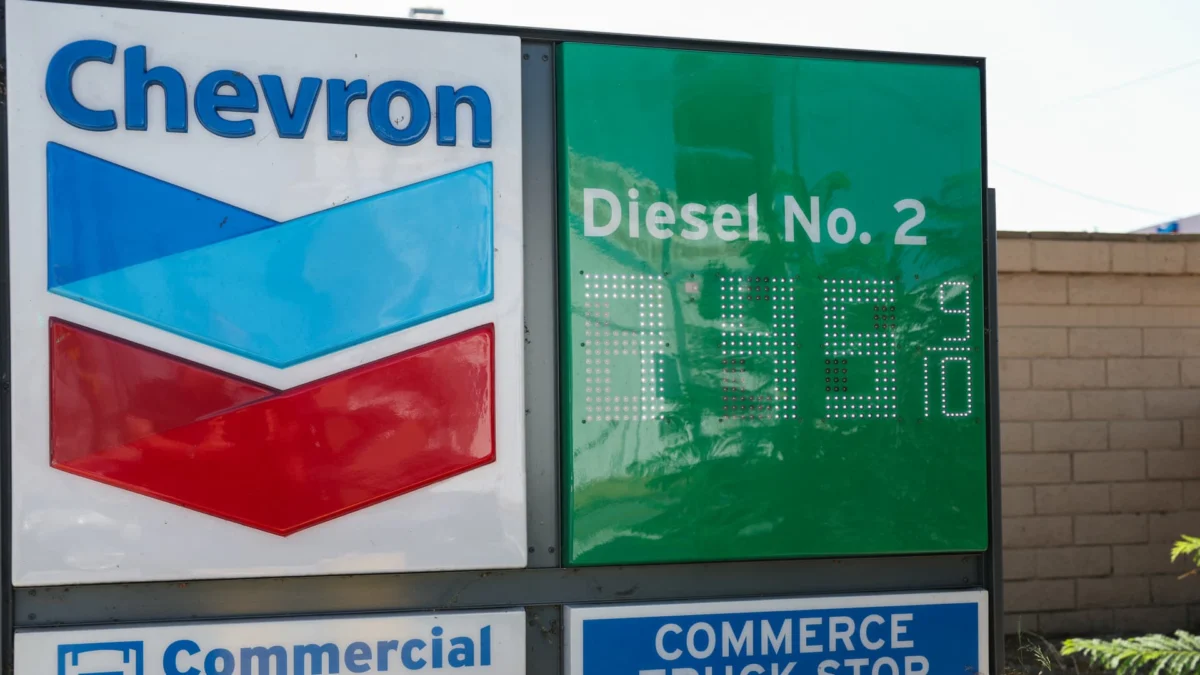
Chevron and ExxonMobil surpassed third-quarter earnings expectations as refining profits climbed on the back of surging global diesel fuel prices, highlighting the financial benefits energy companies are drawing from ongoing disruptions to fuel production.
The increased profitability follows reports that diesel prices have risen sharply worldwide, linked to attacks on refineries in Russia and the Middle East involving Ukraine and Iran, according to US Top News and Analysis. The two major U.S. oil producers capitalized on tighter fuel supply conditions, which lifted the margins earned from turning crude oil into refined products such as diesel.
KEY FACTS
- Earnings beat: Chevron and Exxon exceeded Q3 earnings expectations.
- Refining profits: refining profits surged on high diesel fuel prices.
- Price surge: diesel prices rose globally.
- Cause cited: Ukraine and Iran bombed refineries in Russia and the Middle East.
What drove refining profits higher?
Refining profits—the difference between what refiners pay for crude oil and what they earn selling processed fuels—swelled as diesel fuel prices climbed worldwide. Diesel is a critical fuel for transportation, shipping, and industrial activity, and sustained high prices directly benefit companies with large refining operations like Chevron and ExxonMobil. The surge in prices appears tied to supply disruptions following attacks on refineries in key producing regions, according to US Top News and Analysis. These events tightened available fuel supply and allowed refiners to charge higher prices for distillate fuels, including diesel. For investors and analysts, the magnitude of refining profits often signals whether oil majors are benefiting more from upstream production or downstream processing during periods of volatile commodity prices. In this case, the downstream segment clearly outperformed expectations. The elevated refining environment also suggests broader inflationary pressure on transportation and logistics sectors reliant on diesel-powered engines, which may affect consumers and businesses globally. Analysts typically monitor refining margins closely during geopolitical turbulence, and this quarter’s results reflect that dynamic in sharp relief. Investors will likely scrutinize future guidance to see if these conditions are expected to persist or normalize in coming quarters.
Who is affected by the refining profit rise?
Consumers and businesses using diesel-dependent transport or machinery face continued cost pressures. Shipping companies, trucking firms, agriculture, construction, and public transit systems all rely heavily on affordable diesel. When prices spike due to supply shocks, those costs often pass through to goods and services, affecting inflation and consumer spending. Meanwhile, oil companies with strong refining footprints gain windfall profits, improving balance sheets and potentially supporting shareholder returns like dividends and buybacks. This cycle tends to draw attention from policymakers concerned about energy security and price stability, particularly if such volatility becomes recurring rather than episodic. Governments may respond with strategic reserve releases, regulatory inquiries, or temporary subsidies depending on domestic political pressures and electoral timelines. International trade and logistics hubs remain especially sensitive since they move bulk cargo via ships and trucks powered by diesel at scale every day of the week without interruption whatsoever.
WHAT WE KNOW — AND WHAT WE DON’T
Verified by the source:
- Chevron and Exxon beat Q3 earnings expectations.
- Refining profits surged on high diesel fuel prices.
- Diesel prices have risen globally.
- Ukraine and Iran bombed refineries in Russia and the Middle East.
Still unconfirmed:
- Exact magnitude of the refining profit increase.
- Specific timing or dates of refinery attacks.
- Independent verification of attack claims.
- Impact of higher diesel prices on specific industries.
WHY IT MATTERS
For investors tracking the economy and markets, soaring refining profits at Chevron and Exxon signal how geopolitical instability can create outsized gains even amid broader economic uncertainty. See more updates in our economy and markets coverage and follow developments in war and geopolitics.
WHAT TO WATCH
Market participants will watch whether elevated refining margins persist through the next quarter and how energy policy responses evolve in light of ongoing regional conflicts.