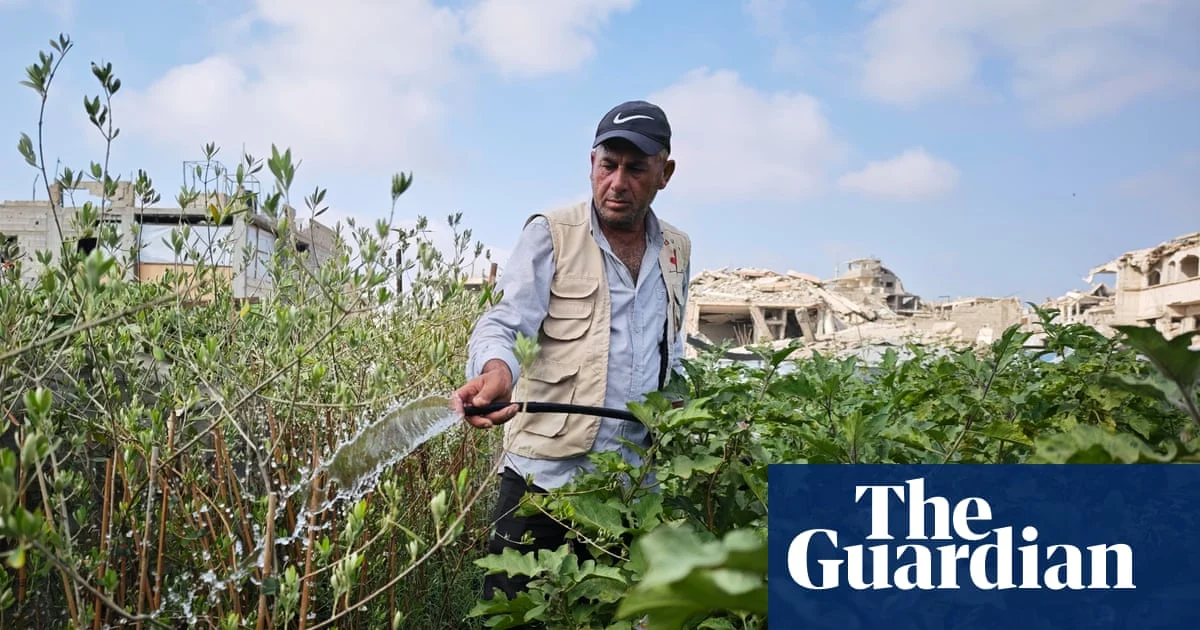
Gaza farmers are fighting to survive by cultivating every available patch of land, despite severe shortages and constant threats. With over 80% of greenhouses destroyed and critical supplies like water and fertilizer scarce, their efforts to rebuild domestic food production have come at a deadly cost. The population of 2.1 million is squeezed into an ever-shrinking territory, forcing farmers to clear debris and nurture crops under dangerous conditions.
Key Facts
- Gaza’s population of 2.1 million is confined to a shrinking area.
- Farmers are using every remaining patch of unspoiled land, no matter how small.
- Severe shortages of water, fertilizer, and pesticide hinder farming efforts.
- More than 80% of greenhouses have been ruined.
- Farmers face deadly risks when venturing out to tend crops.
How are Gaza farmers adapting?
With greenhouses largely destroyed, farmers have resorted to inventive methods to clear debris and grow seedlings. Despite the lack of resources, they display remarkable determination to cultivate even the smallest plots. However, the open fields offer little protection, making daily farming activities perilous.
What challenges do they face?
The shortages of essential farming supplies like water and fertilizer make it nearly impossible to sustain crops. The destruction of infrastructure, including greenhouses, has made it harder to secure food production. Additionally, the constant threat of violence adds another layer of danger to their already difficult work.
What We Know — and What We Don’t
Verified by the source:
- Farmers are using small, unspoiled land patches to grow food.
- Critical farming resources like water and fertilizer are in short supply.
- Over 80% of greenhouses have been destroyed.
Still unconfirmed:
- The exact number of farmers killed or injured while working.
- Specific government or aid responses to food shortages.
- Whether new farming methods are yielding successful harvests.
Why It Matters
The struggle of Gaza farmers highlights the broader humanitarian crisis caused by shrinking living space and resource shortages. Without stable food production, the region faces even greater food insecurity, worsening an already dire situation.
What To Watch
Efforts to rebuild agricultural infrastructure will be critical in determining whether Gaza can restore even minimal food production. The international community’s response to the shortages may also shape future survival prospects.