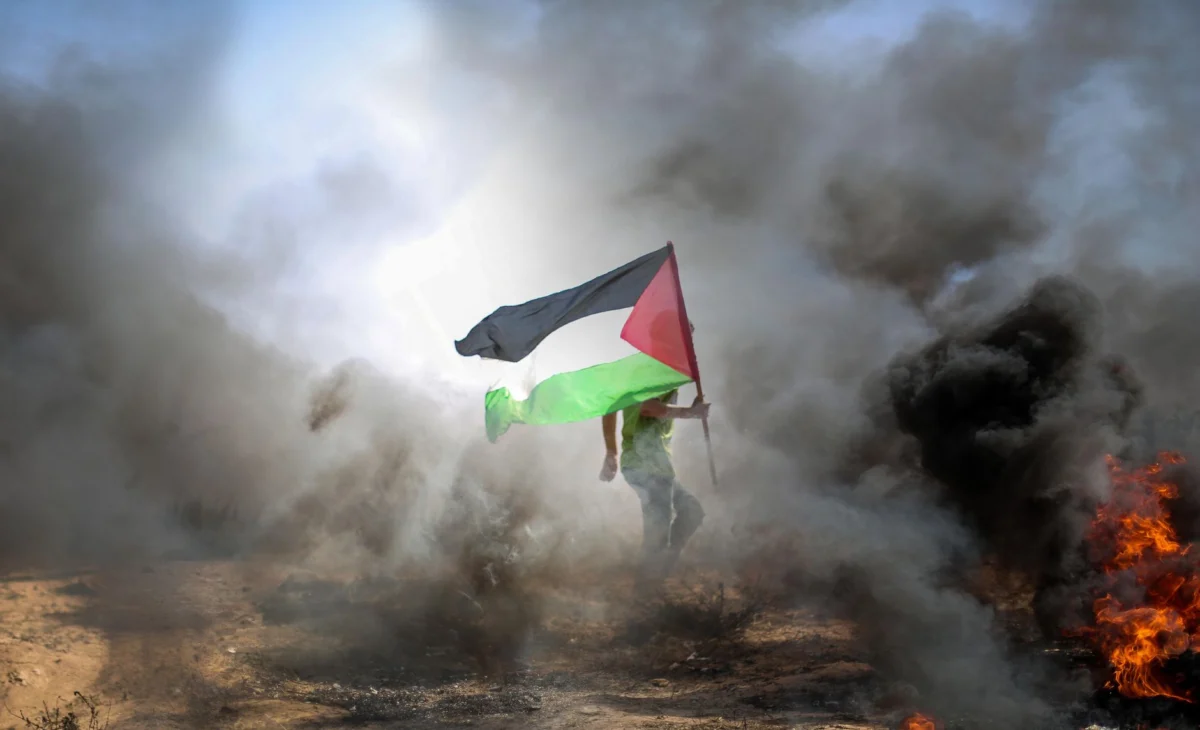
In a dimly lit clinic in Rafah, a nurse counted 73,212 bodies on a chalk‑filled board, each number a stark reminder that the Gaza death toll keeps climbing.
Israel’s air campaign raged on Tuesday, dropping dozens of bombs on what officials called “militant positions,” even as U.N. mediators scrambled to revive a cease‑fire that collapsed hours earlier.
The Palestinian Health Ministry, based in Gaza, reported the latest figure – 73,212 dead, including more than 19,000 children. The ministry also logged over 170,000 injured, a burden that hospitals, already operating on generator power, cannot bear.
Why does this matter?
The human cost is staggering, but the ripple effects reach far beyond the strip. Global markets twitch at every new casualty count, oil prices jitter, and diplomatic corridors in Washington, Brussels and Beijing see heightened activity.
For the average consumer, higher oil prices translate to pricier gasoline and grocery bills. For policymakers, each escalation tightens the already fragile balance between supporting Israel’s security claims and averting a broader regional conflagration.
What is fueling the renewed strikes?
Israeli Defense Forces (IDF) said they targeted “underground tunnels and weapons depots” after intelligence indicated Hamas was preparing a large‑scale assault. No senior Israeli spokesperson was quoted in the Washington Post story, but the official statement referenced in the article echoed previous IDF briefings.
Meanwhile, Hamas denied the allegations, insisting that civilians were the real victims of Israel’s disproportionate response.
Who is affected?
Beyond the 2.3 million Palestinians living in Gaza, the conflict draws in neighboring countries, diaspora communities worldwide, and the international humanitarian system. Aid agencies warned that the next 48‑hour window is critical for delivering food, water, and medical supplies before more infrastructure collapses.
Even businesses in Europe and Asia watch the headlines, as sanctions, reconstruction contracts, and security allocations loom on legislative agendas.
What happens next?
Negotiators convened in Cairo and New York are pushing for an immediate humanitarian pause, but both sides remain entrenched. Analysts warn that without a credible cease‑fire, the death toll could breach the 100,000 mark within weeks.
Stay tuned as we track diplomatic moves, on‑the‑ground reports, and the potential spill‑over into other Middle‑East flashpoints.
War and geopolitics coverage continues to evolve. For related economic impacts, see our economy and markets analysis.