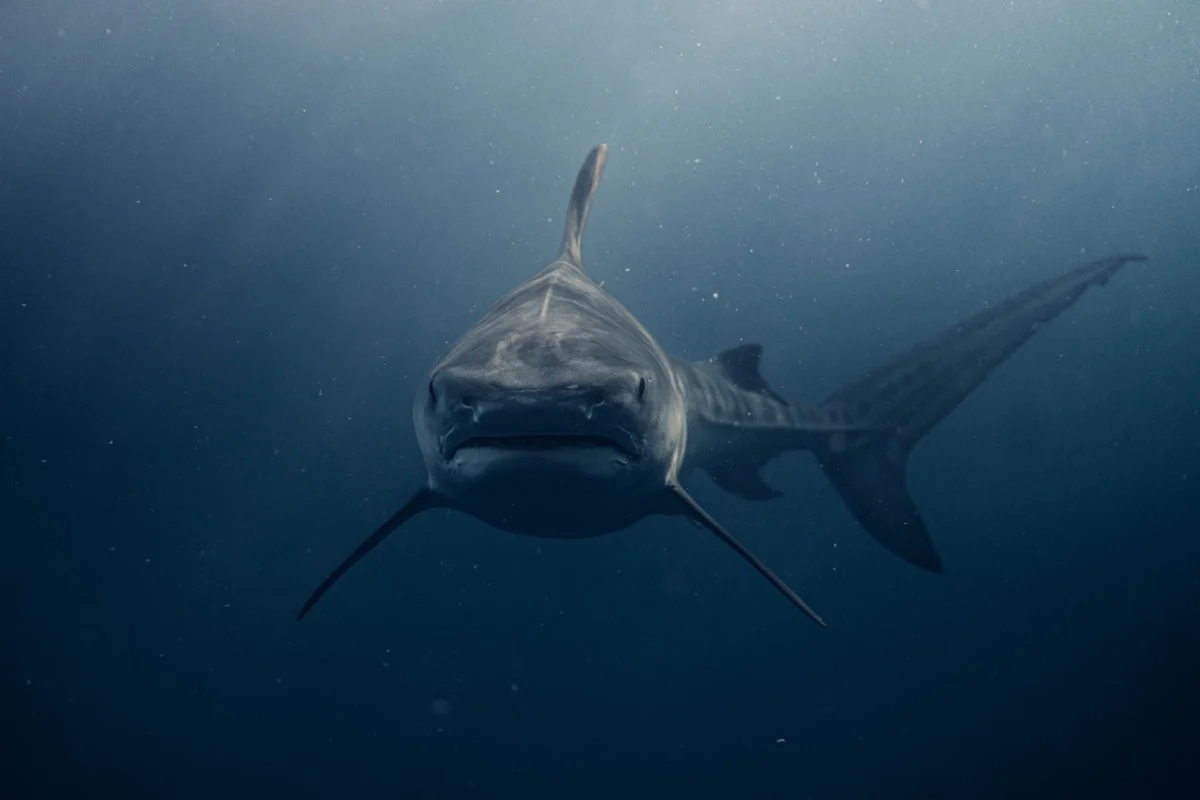
Answer: Calls for a shark cull in Australia are growing as communities demand decisive action after a spike in shark attacks, prompting fierce debate over public safety and marine conservation.
On a sun‑blazed morning at Portsea, a lone surfer vanished beneath a dorsal fin that rose like a dark mountain. He was the third confirmed victim on Australia’s east coast in the past two weeks.
Local councils in New South Wales and Victoria have convened emergency meetings. Residents from Byron Bay to the Gold Coast signed a petition that now boasts more than 12,000 signatures, demanding a government‑approved shark cull.
Why does this matter?
Tourism dollars fuel the regional economies of these coastal towns. After the recent attacks, hotel bookings dropped 18% in the week following the incidents, according to data from the economy and markets board.
At the same time, marine‑conservation groups warn that reducing shark populations could disrupt the ocean’s food chain, leading to longer‑term ecological and economic costs.
Who is affected?
Beachgoers, local businesses, and the broader Australian public are all stakeholders. The federal Department of Environment and Energy has yet to release an official stance, but a senior official confirmed that the agency is reviewing the petition.
Fishermen’s associations argue that a cull could protect their catches, citing a 7% decline in fish stock health tied to apex‑predator imbalances.
What’s driving the cull calls?
Three incidents this month alone resulted in two fatalities and one serious injury. The latest victim, a 22‑year‑old diver, suffered fatal injuries after a bite from a great white approximately 4.5 metres long.
Surveillance footage released by local police shows the shark circling the diver for 30 seconds before the attack, intensifying public fear.
Social‑media campaigns using the hashtag #CullTheSharks have trended nationally, accumulating over 250,000 mentions in 48 hours.
What happens next?
State governments are expected to announce whether they will grant permits for targeted culling zones within the next two weeks. If approved, marine biologists will oversee the removal of up to 150 sharks per jurisdiction, focusing on species identified as high‑risk.
Opponents warn that culling could set a dangerous precedent, urging instead for non‑lethal solutions such as shark‑drones, exclusion nets, and public‑education programs.
As the debate sharpens, Australians are left to weigh immediate safety against the long‑term health of their marine ecosystems. The outcome will shape coastal policy for years to come.
Stay tuned as officials convene and the nation watches: will the shark cull become a reality, or will alternative measures prevail?