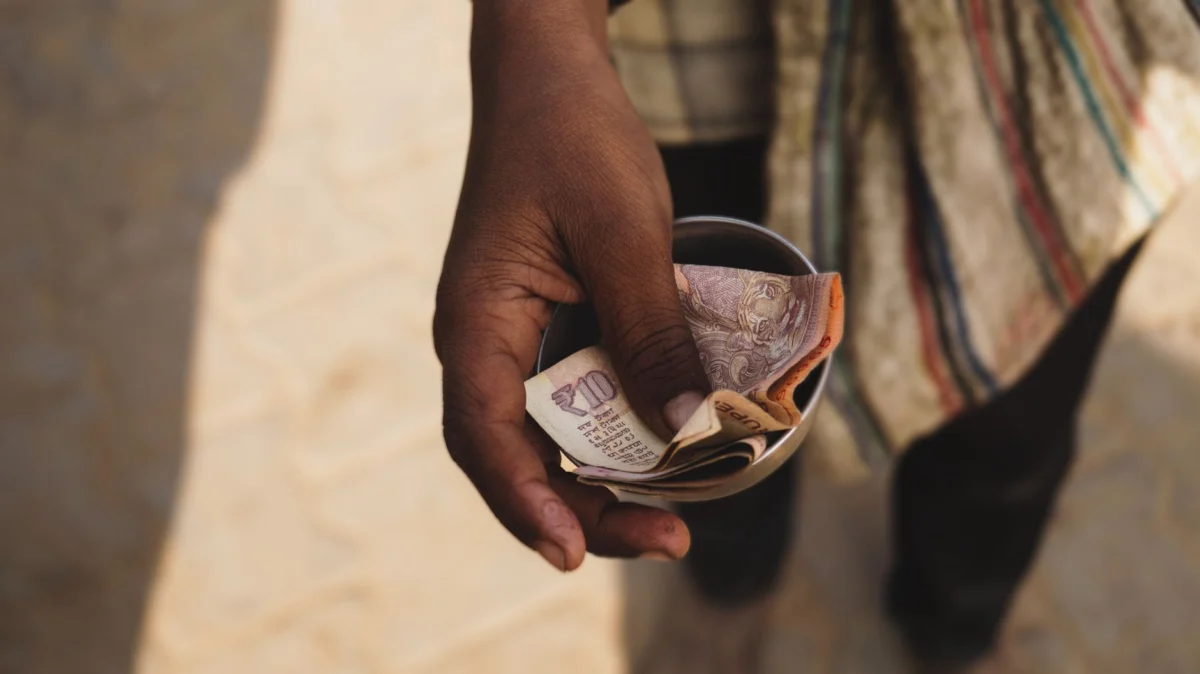
Sri Lanka is set to receive an emergency loan of $150 million from the Asian Development Bank (ADB) to help mitigate the economic fallout of the escalating Middle East conflict.
The funds will be disbursed within weeks, according to the ADB’s statement released early Thursday.
What triggers the ADB’s swift action?
Oil prices have spiked 12 % since the outbreak of fighting between Israel and Iran‑backed groups, pushing up transport costs and inflating food prices across South Asia. Sri Lanka’s already fragile balance‑of‑payments picture has narrowed its foreign‑exchange reserves to just $1.3 billion, enough for barely three weeks of imports.
Analysts at the Ministry of Finance say the ADB emergency funding will plug a short‑term liquidity gap, buying critical imports such as diesel and wheat while the government renegotiates longer‑term debt relief.
Why does this matter?
For ordinary Sri Lankans, the loan could mean fewer fuel shortages at the pump and steadier prices for staple rice and lentils. For investors, it signals that the island’s credit profile may stabilize, curbing capital flight that has plagued the market since the 2022 crisis.
“This injection is designed to buy time – to keep essential imports flowing while we work on a sustainable recovery plan,” the ADB brief noted, without committing to a specific repayment schedule.
Who benefits and who bears the risk?
The immediate beneficiaries are the Ministry of Trade and the State Oil Corporation, which will use the money to secure shipments that would otherwise be delayed by a lack of hard currency.
Long‑term risk rests with Sri Lanka’s taxpayers. The loan will be added to the nation’s external debt, which already stands at $49 billion, about 90 % of GDP.
Local NGOs warn that without structural reforms, the emergency cash could merely postpone a larger fiscal breakdown.
What happens next?
Within the next 48 hours, ADB officials will travel to Colombo to finalize the disbursement terms. The Sri Lankan government has pledged to present a detailed utilization plan to the board by the end of the month.
Meanwhile, regional banks are watching closely. A similar ADB facility was extended to Bangladesh last week, suggesting a broader strategy to shield South Asian economies from the reverberations of Middle East hostilities.
Stay tuned as the situation evolves – the next tranche of ADB support could be a game‑changer for Sri Lanka’s recovery trajectory.