On a humid Thursday morning, a lone hawker stall on Zhongshan Road handed me a steaming bowl of oyster omelet that still dripped with broth when I lifted the spoon.
That bite was the first of many moments that define a week of Xiamen travel, a coastal city where colonial forts sit beside glass‑fronted cafés, and where every alley promises a new snack.
Where to stay without breaking the bank
Backpackers gravitate to the Gulangyu Island Youth Hostel, 200 meters from the piano museum and priced at just CNY 120 per night. For a touch of boutique flair, the 5‑star Xiamen Seaview Hotel offers rooms with sea‑level views for CNY 1,250, a price still lower than most mainland Shanghai hotels.
Why does this matter?
Travel costs in China have surged 12% year‑on‑year, according to the National Tourism Administration. Choosing affordable yet well‑located lodgings lets visitors stretch their budgets, extending their stay and boosting local commerce.
Sights you can’t miss in seven days
Day 1: Walk the colonial‑era Shapowei Fort, where cannons still face the Taiwan Strait. Day 2: Rent a bike and circle the 30‑kilometer Huandao Road, stopping at the seaside sculpture park.
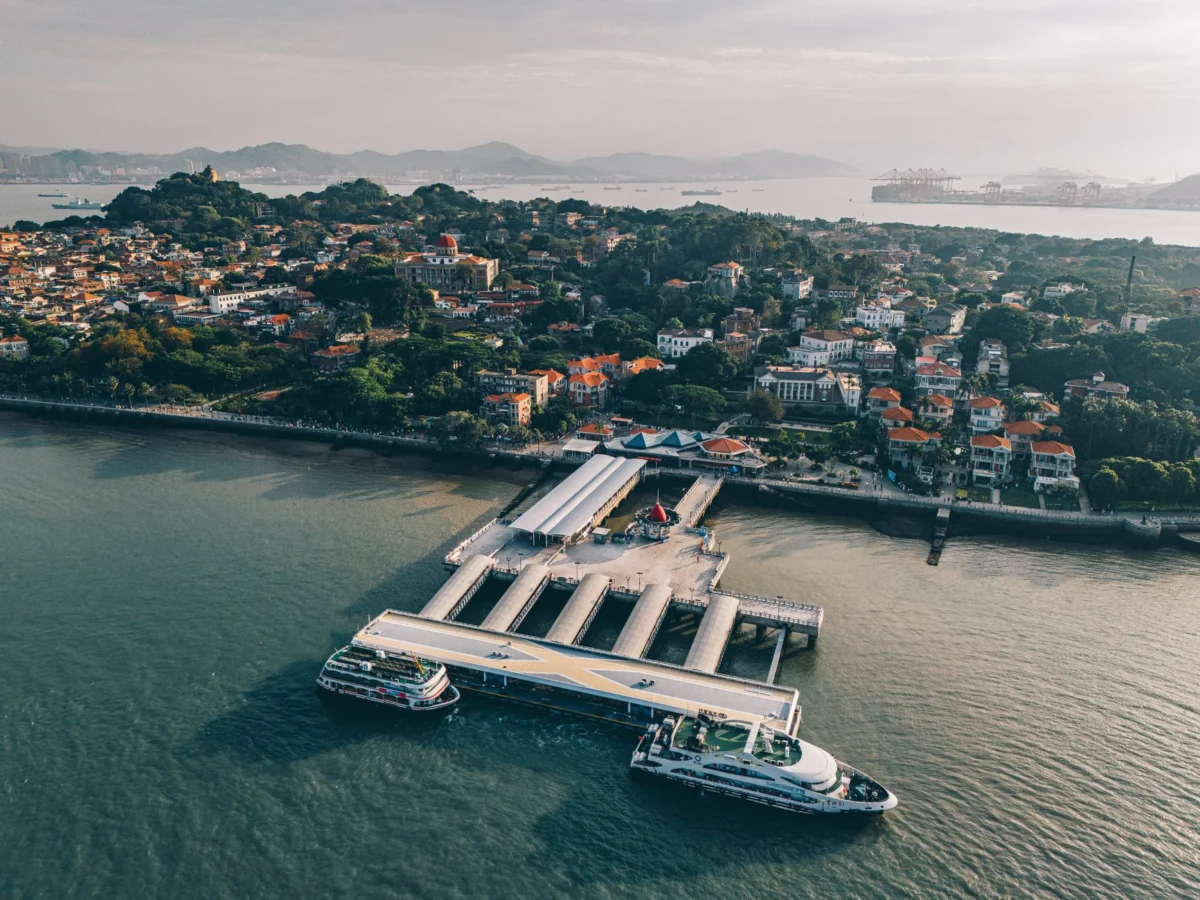
Day 3: Take the short ferry to Gulangyu, an UNESCO World Heritage site famed for its piano‑filled museums and pastel‑colored villas. Day 4: Dive into the bustling Zengcuo’an art district, where graffiti walls hide tiny galleries.
Day 5‑7: Explore the Nanputuo Temple complex, sample tea at the historic Jimei School Village, and end the week with a sunset at the Xiamen University campus, whose architecture mirrors the sea.
Street cuisine that defines Xiamen travel
Beyond the oyster omelet, the night market at Haicang Road serves shacha noodle soup—spicy, nutty, and topped with fresh shrimp. A single skewer of grilled squid costs CNY 8, while a steaming basket of xiaolongbao runs CNY 22 for six pieces.
Don’t miss the sweet‑tooth staple “peanut soup” sold from a red‑painted cart at 10 pm; locals claim it cures the chill after a day on the ferry.
What happens next for Xiamen’s tourism?
The municipal government plans to add a second high‑speed rail link to the city by 2028, promising half‑hour trips from Shenzhen. If the infrastructure materialises, Xiamen could become a primary weekend‑escape hub for the Pearl River Delta, amplifying the demand for the very hostels and eateries highlighted here.
Until then, the city’s blend of history, sea breezes, and street‑food fireworks remains a liveable playground for the curious traveler.
For more on how Chinese coastal cities are reshaping travel trends, see our economy and markets coverage.