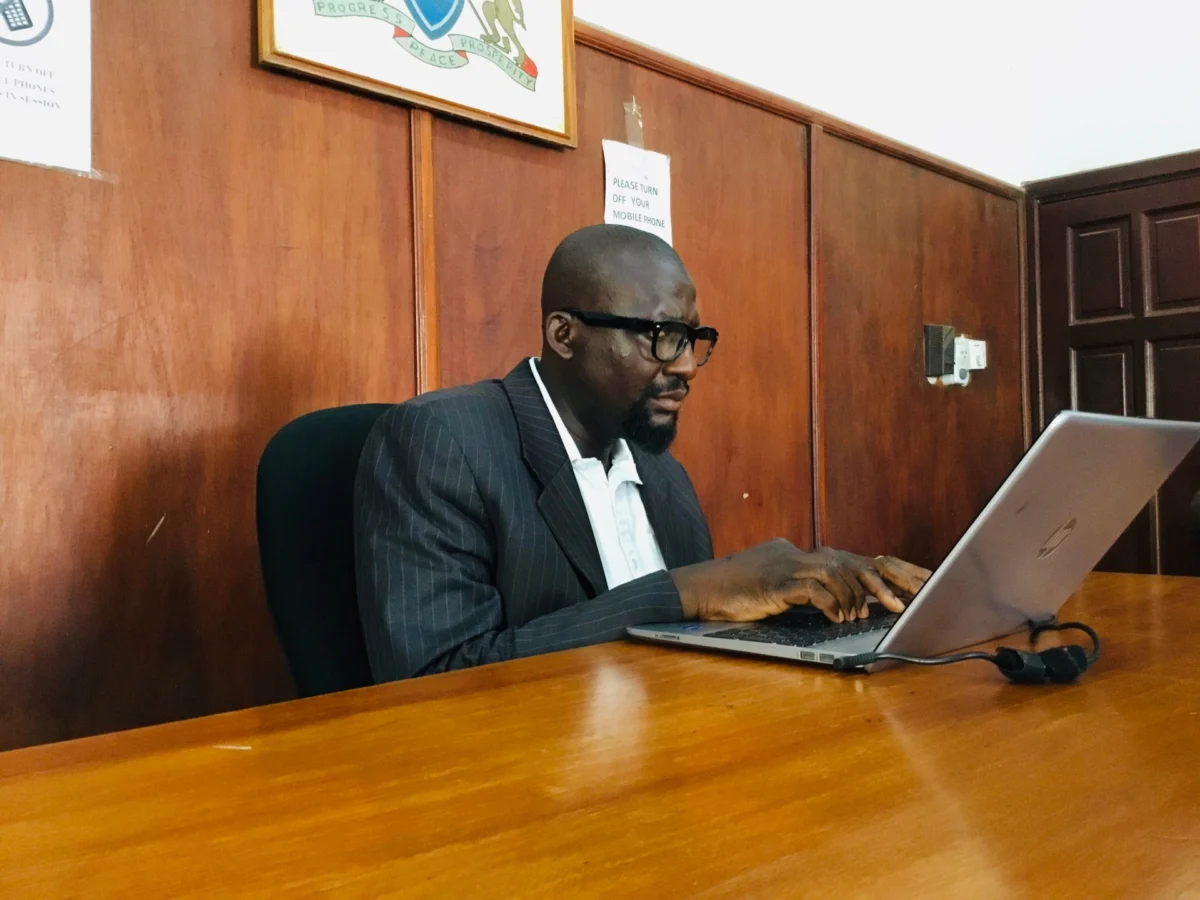
The Gambia’s first blind magistrate is challenging a legal system built for sighted users, highlighting both progress and persistent barriers faced by people with disabilities in accessing justice. Muhammed Krubally has spent the last ten years demonstrating what is possible while also identifying areas needing change.
His work underscores the broader gap between legal frameworks and practical accessibility for disabled professionals and citizens. By testing the limits of existing courtroom technology and procedures, he reveals how systems designed without inclusion in mind can marginalize qualified individuals.
Key Facts
- The Gambia’s first blind magistrate is actively serving in the judicial system.
- Muhammed Krubally has been in this role for a decade.
- He is testing systems originally built for sighted users.
- His experience shows both achievements and unresolved challenges.
What Happens Next?
The path forward for inclusive judicial reform remains uncertain. While Krubally’s presence marks a historic milestone, systemic adjustments require sustained institutional commitment. Courts may need to adopt assistive technologies, revise procedural norms, and train staff to better accommodate visually impaired judges. Without such changes, individual breakthroughs risk remaining exceptions rather than precedents.
International human rights bodies have long called for disability-inclusive governance, yet implementation lags. Gambia’s judiciary now faces pressure to align infrastructure with accessibility laws. Advocates argue that true inclusion demands more than symbolic appointments—it requires structural overhaul. Whether policymakers respond will shape future opportunities for disabled legal professionals.
Who Is Affected?
Beyond Krubally, thousands of disabled citizens navigate a justice system fraught with physical and procedural obstacles. Court buildings often lack ramps or Braille signage; forms are rarely available in accessible formats. These barriers don’t just inconvenience—they disenfranchise. A blind magistrate encountering these issues illuminates challenges faced daily by disabled litigants, witnesses, and jurors.
Legal experts say accessible design benefits everyone, not just those with disabilities. Ramps aid wheelchair users and parents with strollers; audio cues help elderly visitors and travelers. Yet investment in universal access remains low across many African judiciaries. Progress depends on recognizing accessibility as a core function of fair court administration, not an optional upgrade.
What We Know — and What We Don’t
Verified by the source:
- The Gambia has appointed its first blind magistrate, Muhammed Krubally.
- He has served in this capacity for ten years.
- He is working within a system built primarily for sighted individuals.
- His tenure has revealed both successes and areas requiring improvement.
Still unconfirmed:
- Specific courtroom technologies or tools being tested.
- Details about reforms underway or proposed.
- Official reactions from judicial or governmental authorities.
- Broader statistics on disability representation in Gambian courts.
Why It Matters
This story reflects a global struggle to make institutions truly inclusive. When systems exclude people with disabilities, everyone loses expertise and perspective. Krubally’s decade-long effort signals potential for change, but also the urgency of addressing structural inequities that limit talent and fairness.
What To Watch
Future developments could include public responses from Gambian judicial leadership or concrete steps toward accessibility reforms. Monitoring how other African nations engage with similar inclusion efforts will provide regional context. The full impact of Krubally’s role may unfold gradually through ongoing advocacy and policy shifts. According to Al Jazeera, his story continues to evolve alongside evolving conversations about justice and disability rights.