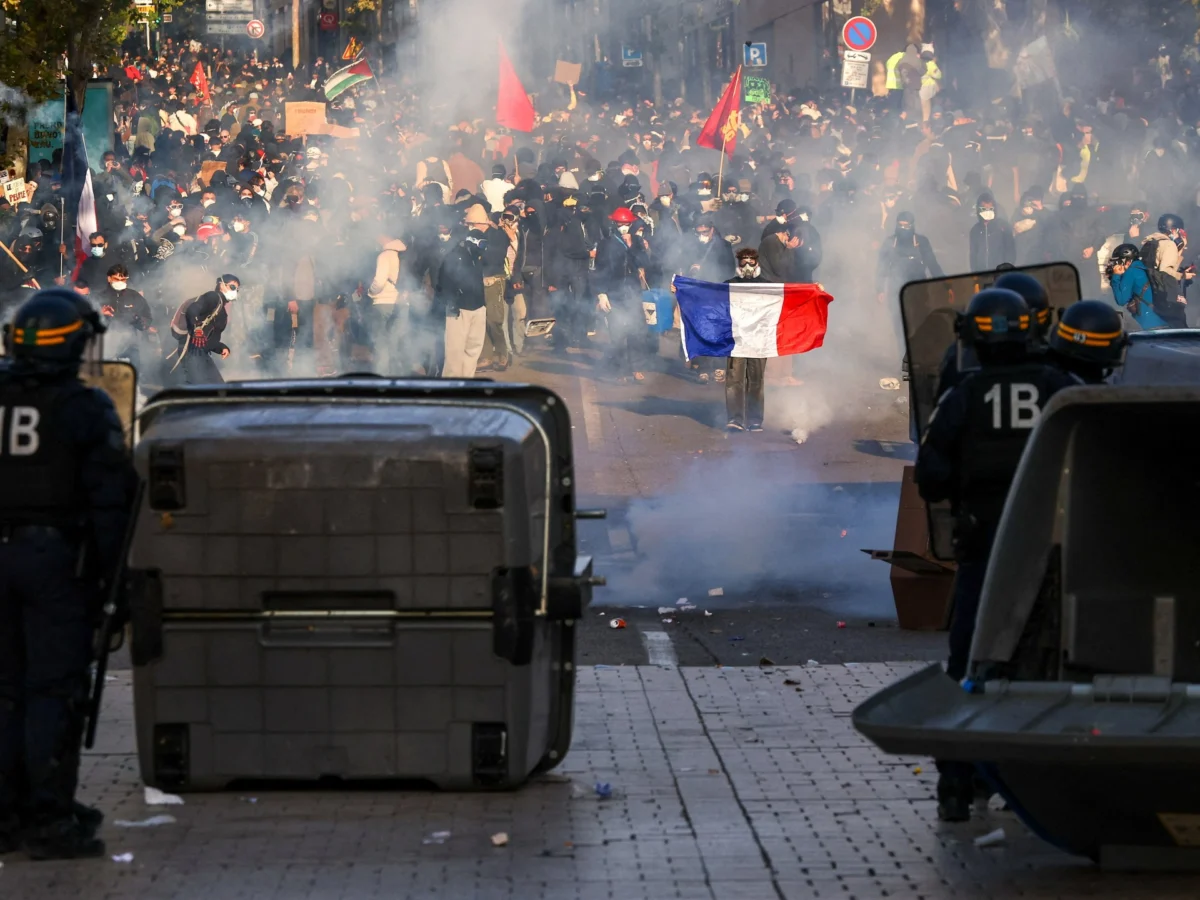
The French government is allegedly using a ‘riots’ narrative to delegitimize ongoing student protests rather than engaging with their demands, according to an opinion article published by Al Jazeera. The piece argues that fear-mongering around unrest distracts from core issues raised by students. This framing, the author claims, makes it easier to dismiss legitimate grievances than to negotiate solutions.
The article does not specify which student groups are involved or detail their exact demands. However, it suggests that labeling demonstrations as riots shifts public perception and undermines broader support for the movement. By focusing on disorder rather than discourse, the piece contends, authorities avoid confronting structural concerns raised by young people.
KEY FACTS
- The article accuses the French government of hiding behind a ‘riots’ narrative to delegitimize protests.
- It claims fearmongering is used to avoid addressing student demands directly.
- The source is an opinion piece published by Al Jazeera.
The Story
The central argument presented in the Al Jazeera article is that the French government employs a ‘riots’ narrative as a strategy to delegitimize ongoing protests. Rather than responding substantively to student demands, officials supposedly emphasize instability and violence. This rhetorical approach, according to the author, serves to marginalize valid criticisms and reduce public sympathy for demonstrators.
What Happens Next?
If protests continue, the government may face increasing pressure to either engage with student demands or escalate its narrative of unrest. Public opinion, media coverage, and international reactions will likely play a role in shaping how this dynamic evolves. The article implies that without meaningful dialogue, tensions could deepen and further erode trust between citizens and state institutions.
The article also reflects broader debates about civic dissent and state response. When authorities frame peaceful assemblies as threats to order, they risk polarizing society and stifling democratic discourse. Students and activists often use street demonstrations to voice dissatisfaction, especially when formal channels seem ineffective. How these moments are interpreted—whether as legitimate expression or dangerous disruption—shapes both policy responses and long-term political legitimacy.
What We Know — and What We Don’t
Verified by the source:
- The article argues that the French government uses a ‘riots’ narrative to delegitimize protests.
- It claims this tactic avoids addressing student demands directly.
- The source is an opinion piece published by Al Jazeera.
Still unconfirmed:
- The specific identities of the protesting student groups and their full list of demands.
- Whether official statements or policies have explicitly used the term ‘riots’ in reference to these protests.
- Independent confirmation of the frequency or intensity of the demonstrations.
Why It Matters
How governments respond to domestic dissent influences the health of democratic institutions and the degree of civic engagement among youth populations. Framing protests negatively can normalize repression and weaken accountability mechanisms. At stake is not just immediate policy outcomes but the precedent set for future dialogue between citizens and the state.
What To Watch
Future coverage from independent journalists and statements from relevant authorities may clarify whether the described narrative is widely adopted or isolated to certain officials. Ongoing developments will determine whether calls for reform gain traction or are overshadowed by security-focused messaging.