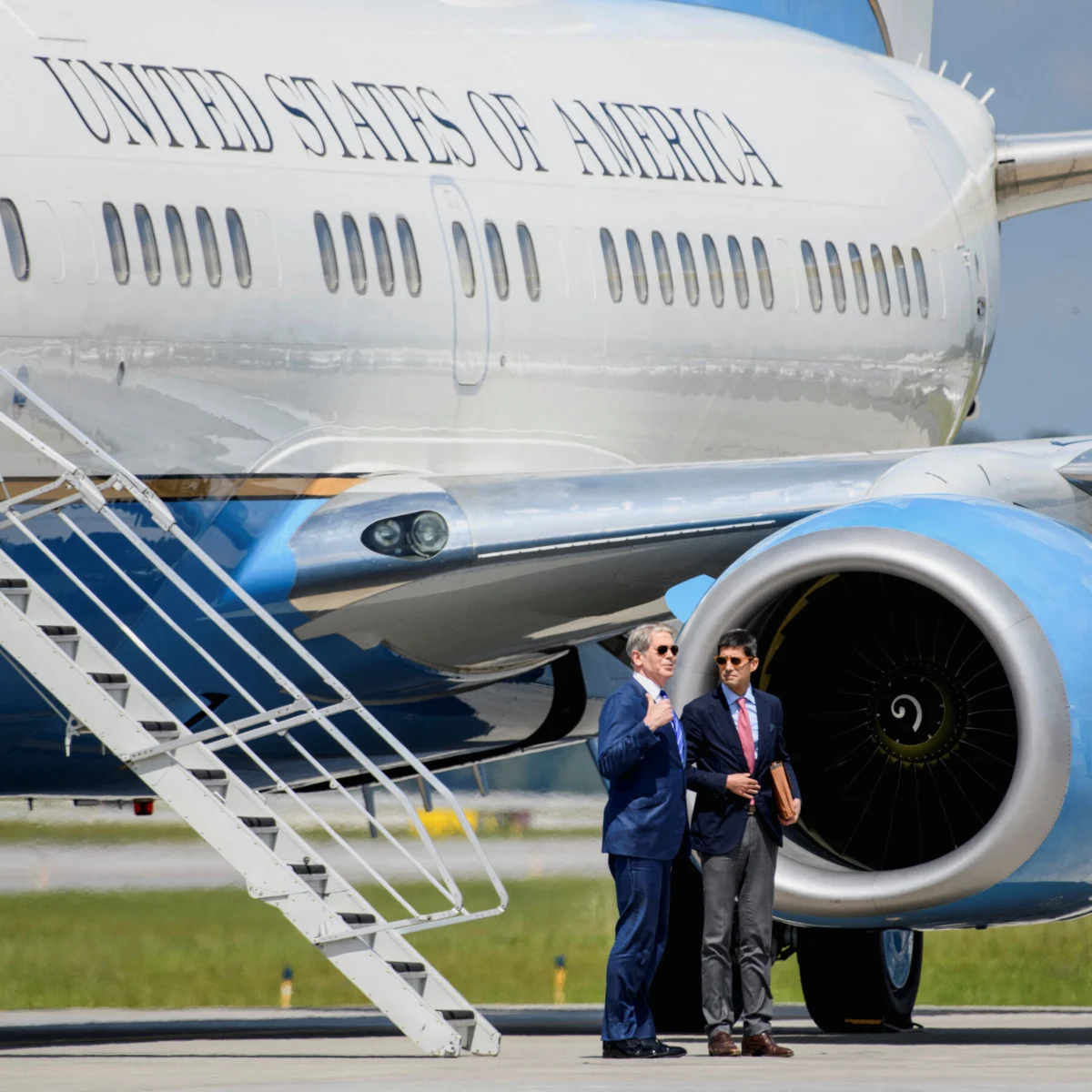
Finance officials representing G20 member nations are currently meeting in the United States to discuss the global economic impact of the Iran War. This gathering specifically addresses the ongoing economic shock, which has led to significant increases in global oil prices. The discussions involve key participants including China and Russia, underscoring the international scope of the financial challenges.
The meeting highlights the critical juncture facing the global economy, as policymakers grapple with the ramifications of geopolitical conflict. The focus remains on stabilizing financial markets and mitigating the effects of rising energy costs on countries worldwide. The presence of major global economic powers signals the urgency and gravity of the situation.
Key Facts
- G20 finance officials are gathering in the U.S.
- The meeting addresses economic shock from the Iran War.
- The Iran War has driven up global oil prices.
- China and Russia are attending the meeting.
Addressing Global Economic Shocks
The primary agenda for the G20 finance officials’ meeting centers on the economic shock resulting from the Iran War. This conflict has generated widespread instability, notably contributing to a surge in oil prices across the globe. Such price increases can have far-reaching consequences, affecting everything from transportation costs to manufacturing expenses and consumer prices.
The officials are tasked with finding solutions and strategies to mitigate these economic pressures. Their discussions likely involve coordinating financial policies, assessing global market stability, and exploring mechanisms to buffer member states from the most severe economic downturns. The international composition of the G20 means any agreed-upon measures could have a significant global reach.
Who is Attending?
Among the key nations participating in these critical discussions are China and Russia. Their presence at the G20 meeting underscores the broad international concern regarding the economic fallout from the Iran War. The engagement of these major economies is essential for any potential collective response to the rising oil prices and broader economic instability.
The attendance of diverse global powers at the G20 signifies a concerted effort to address the crisis. Their input and agreement will be crucial for developing effective strategies to stabilize the global financial landscape. Discussions are expected to cover the various dimensions of the economic challenges posed by the ongoing conflict.
The Impact of Rising Oil Prices
A direct consequence of the Iran War highlighted by the meeting is the significant increase in global oil prices. This surge affects energy markets worldwide, creating challenges for both oil-importing and oil-exporting nations. Higher oil prices can fuel inflation, reduce consumer purchasing power, and slow down economic growth across many sectors.
The G20 officials are likely examining how these elevated prices are impacting national economies and international trade. Understanding the mechanisms through which the Iran War influences oil markets is central to formulating effective countermeasures. The discussions aim to identify ways to manage this specific economic pressure point.
What We Know — and What We Don’t
Verified by the source:
- G20 finance officials are meeting in the U.S.
- The meeting’s focus is on the economic shock from the Iran War.
- The Iran War has increased global oil prices.
- China and Russia are participating in the meeting.
Still unconfirmed:
- The specific date of the meeting beyond ‘2026/08/31’.
- The exact location within the U.S. where the meeting is taking place.
- The specific agenda items or resolutions being discussed.
- The duration of the meeting.
- The names of any specific officials attending.
Why It Matters
The G20 meeting of finance officials is critical because it addresses a major geopolitical conflict with direct and significant global economic repercussions. The ongoing Iran War and its impact on oil prices threaten to destabilize economies worldwide, affecting businesses and consumers through inflation and increased costs. Coordinated international action is essential to mitigate these widespread economic challenges.
What To Watch
Future announcements from the G20 officials regarding their conclusions or any specific policy recommendations will be important to monitor for their potential impact on global economic stability and oil markets.