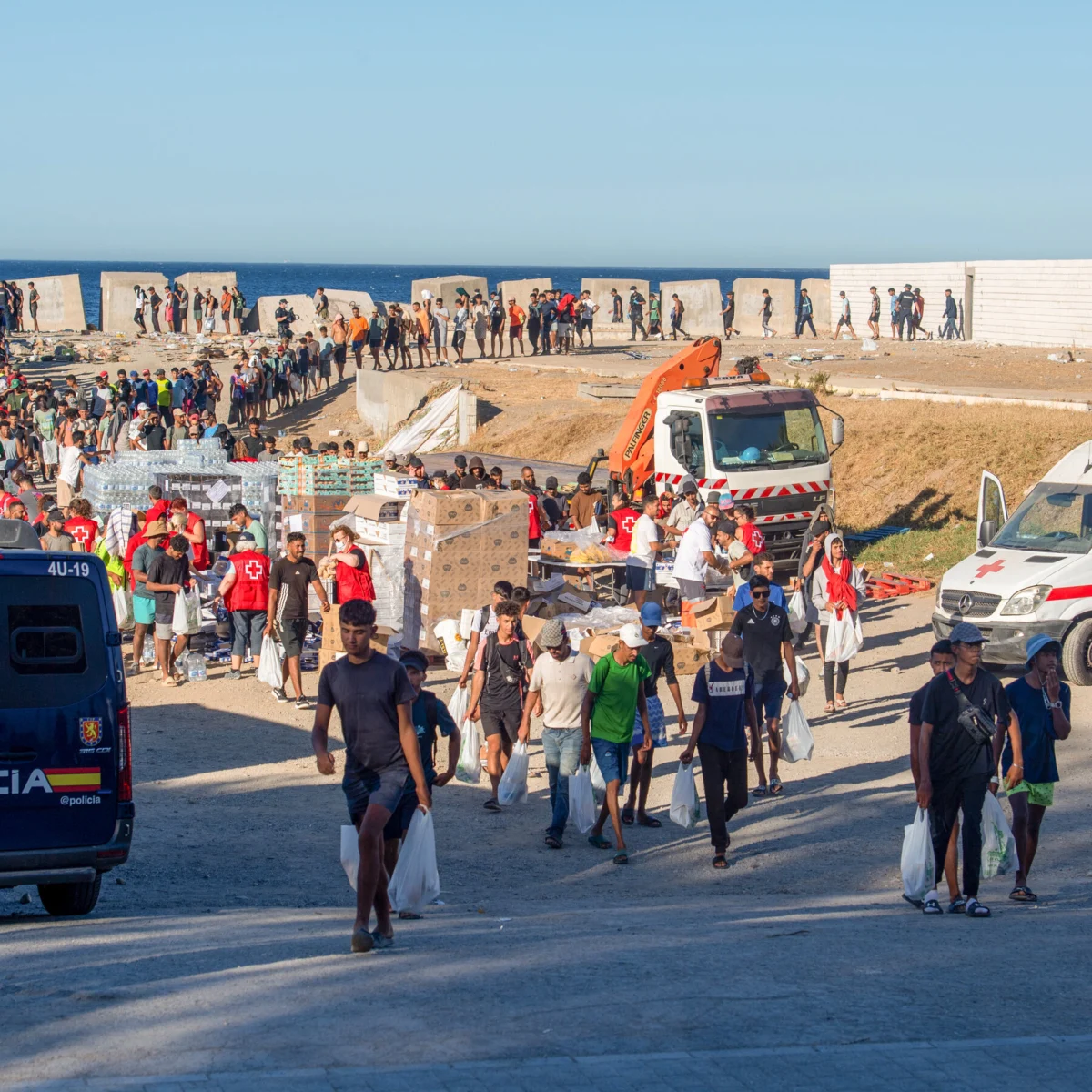
Approximately 5,000 migrants remain in Spain’s North African enclave of Ceuta weeks after a surge at the border, according to the Spanish leader. Their continued presence has intensified political pressure on Prime Minister Pedro Sánchez.
The situation in Ceuta, a Spanish territory bordering Morocco, has become increasingly strained as authorities manage the aftermath of the migrant influx. The political fallout may influence Spain’s approach to migration policy and relations with North African neighbors.
Key Facts
- Around 5,000 migrants are still in Ceuta following a border surge.
- The situation has created tension in the Spanish territory in North Africa.
- Prime Minister Pedro Sánchez faces growing political pressure over the issue.
Why is this happening now?
The prolonged stay of migrants in Ceuta highlights the challenges of managing sudden population inflows in border territories. While the exact timing and causes of the initial border surge aren’t detailed in the report, such events typically strain local resources and test border control agreements between Spain and Morocco.
Who is affected?
The presence of thousands of migrants primarily impacts:
– Local authorities in Ceuta responsible for housing and processing arrivals
– Spanish national leadership facing domestic and international scrutiny
– Border communities adjusting to the demographic changes
What We Know — and What We Don’t
Verified by the source:
- 5,000 migrants remain in Ceuta weeks after initial border crossing
- The situation is creating political pressure on Prime Minister Sánchez
Still unconfirmed:
- Specific nationality breakdown of migrant population
- Current living conditions in temporary facilities
- Planned government response timeline
Why It Matters
The standoff in Ceuta represents a microcosm of Europe’s broader migration challenges, testing Spain’s capacity to manage border flows while balancing humanitarian concerns and political realities. The outcome could influence migration policy across Mediterranean border regions.
What To Watch
Whether Spain negotiates repatriation agreements or implements new border security measures to address the Ceuta situation. Political responses may indicate future migration policy directions.