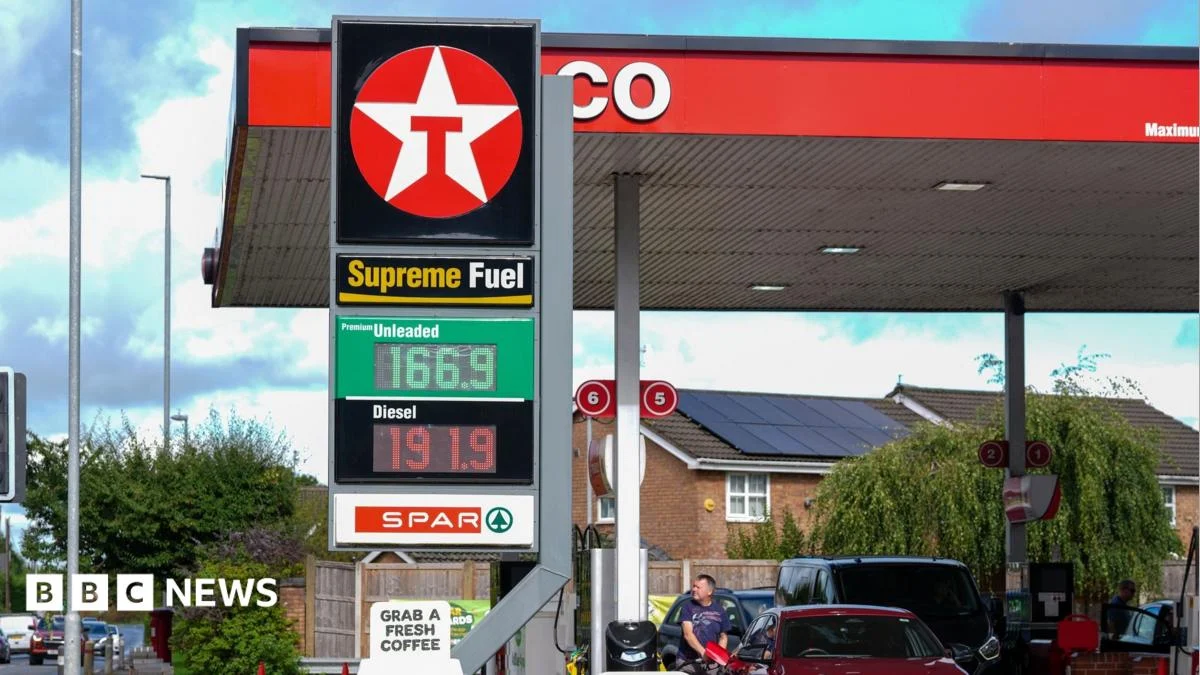
Fuel prices soaring has created what taxi drivers are calling a ‘nightmare,’ as rising costs eat into already tight margins for drivers who depend on every fare. Volunteer blood bike charity workers, such as those with Freewheelers, are also said to be facing tough choices, highlighting the broad impact of fuel price increases on essential services.
The surge in costs affects not only commercial drivers but also volunteer-run organizations that rely on motorcycles and vehicles to transport time-critical medical supplies. With no immediate relief in sight, many drivers report having to reduce working hours or absorb losses to keep services running.
KEY FACTS
- Fuel prices soaring described as a ‘nightmare’ for taxi drivers.
- Volunteer blood bike charity Freewheelers workers face tough choices.
- Rising fuel costs strain transportation workers broadly.
Who Is Affected
Taxi drivers and volunteer blood bike charity workers are the two groups explicitly mentioned as struggling with the ongoing increase in fuel prices. Both are directly dependent on vehicle use, making them especially vulnerable to pump price fluctuations.
In the case of volunteer-run services like Freewheelers, unpaid staff often use their own vehicles to deliver medical supplies between hospitals and clinics. As fuel prices soar, these volunteers face a difficult balance: contribute time and personal resources to save lives, or reduce participation when costs become unsustainable.
For paid taxi drivers, the situation is equally challenging. Many operate as self-employed contractors responsible for fuel, insurance, and maintenance. When fuel prices soar, they must either raise fares — risking losing customers — or absorb the extra expense themselves.
What Happens Next
There is currently no indication of when fuel prices will stabilize or whether government intervention is planned. Drivers are left to adapt individually, with some cutting back on trips, others raising prices, and many simply working longer hours to compensate.
The financial pressure may also influence consumer behavior, as higher taxi fares could push passengers toward public transit or ride-sharing alternatives. Meanwhile, volunteer organizations like Freewheelers must continue fundraising and rely on community support to offset operational losses caused by fuel price increases.
What We Know — and What We Don’t
Verified by the source:
- Fuel prices are described as a ‘nightmare’ for taxi drivers.
- Freewheelers volunteer blood bike workers face tough choices.
- Rising fuel costs are straining transportation workers broadly.
Still unconfirmed:
- Exact magnitude or timeline of fuel price increases.
- Specific policy responses or government action planned.
- Quantitative impact on volunteer participation or taxi incomes.
Why It Matters
Fuel prices soaring affects more than just commuters — it undermines essential services and livelihoods. From volunteer medical transport to everyday taxi rides, rising costs ripple through communities, making basic mobility more expensive and less reliable.
What To Watch
Further reporting may clarify whether fuel prices will ease or continue rising, and whether policymakers step in with targeted support for transportation workers.