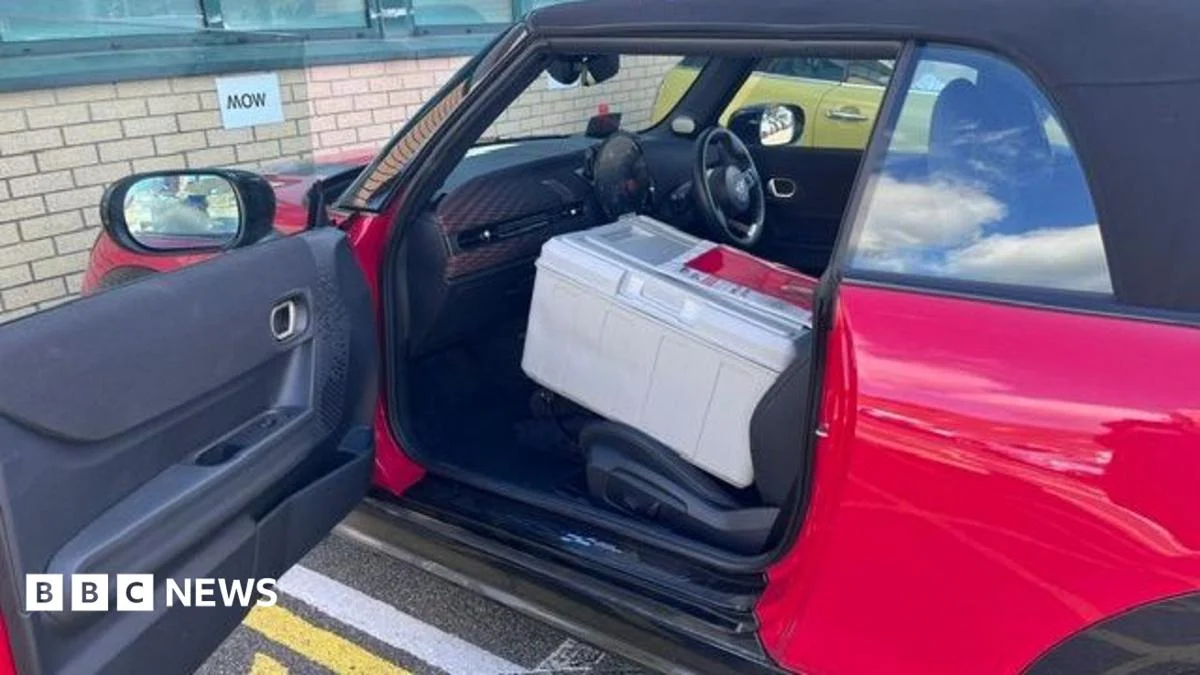
Rising fuel costs are deterring potential meal delivery driver applicants, according to BBC News. Some prospective volunteers stop responding once they learn about the associated expenses, reducing interest in the role.
The report highlights how increasing operational expenses — particularly those tied to vehicle use — are shaping job applicant behavior in the gig economy. While demand for meal delivery services remains high, attracting and retaining drivers has become more challenging as fuel costs climb.
Key Facts
- Some prospective volunteers do not respond after learning about expenses related to fuel costs.
- Prospective applicants are being put off by the cost of fuel for meal delivery driving roles.
- The trend reflects broader economic pressures affecting gig economy jobs.
Who Is Affected?
Meal delivery platforms rely heavily on independent contractors to fulfill orders. These drivers often cover their own fuel expenses, which cuts into earnings—especially when fuel costs rise unexpectedly. BBC News reported that Maureen Bougeard observed a drop in engagement among new applicants once they became aware of these out-of-pocket costs.
This shift may signal deeper labor supply concerns within the gig economy. As living expenses increase, workers are increasingly selective about roles with unpredictable income streams.
How Did We Get Here?
Gig economy firms have long marketed flexibility as a key appeal of driver-based deliveries. However, fluctuating fuel costs can quickly erode profit margins for contract workers. Over time, sustained increases at the pump have led many to reconsider participation in such roles.
BBC News noted that Maureen Bougeard pointed to applicant hesitation following exposure to expected vehicle-related costs—a reaction that underscores financial sensitivity among part-time earners juggling multiple income sources.
What We Know — and What We Don’t
Verified by the source:
- Some meal delivery driver applicants disengage after learning about fuel-related expenses.
- Maureen Bougeard commented on the decline in applicant responsiveness due to cost awareness.
Still unconfirmed:
- The exact extent or percentage change in application rates before and after cost disclosure.
- Which specific meal delivery companies were referenced in the observations.
Why It Matters
Worker availability directly impacts service reliability across food delivery networks. When fuel costs deter new hires, existing drivers face heavier workloads while consumers may experience slower response times—an outcome that ripples through local businesses relying on fast turnaround delivery services.
What to Watch
Whether delivery companies introduce fuel surcharges or incentives to offset rising expenses—and whether policy proposals targeting gig worker protections will address transportation cost burdens—remains to be seen. Future updates from BBC News could clarify how widespread this trend proves beyond initial anecdotal feedback.