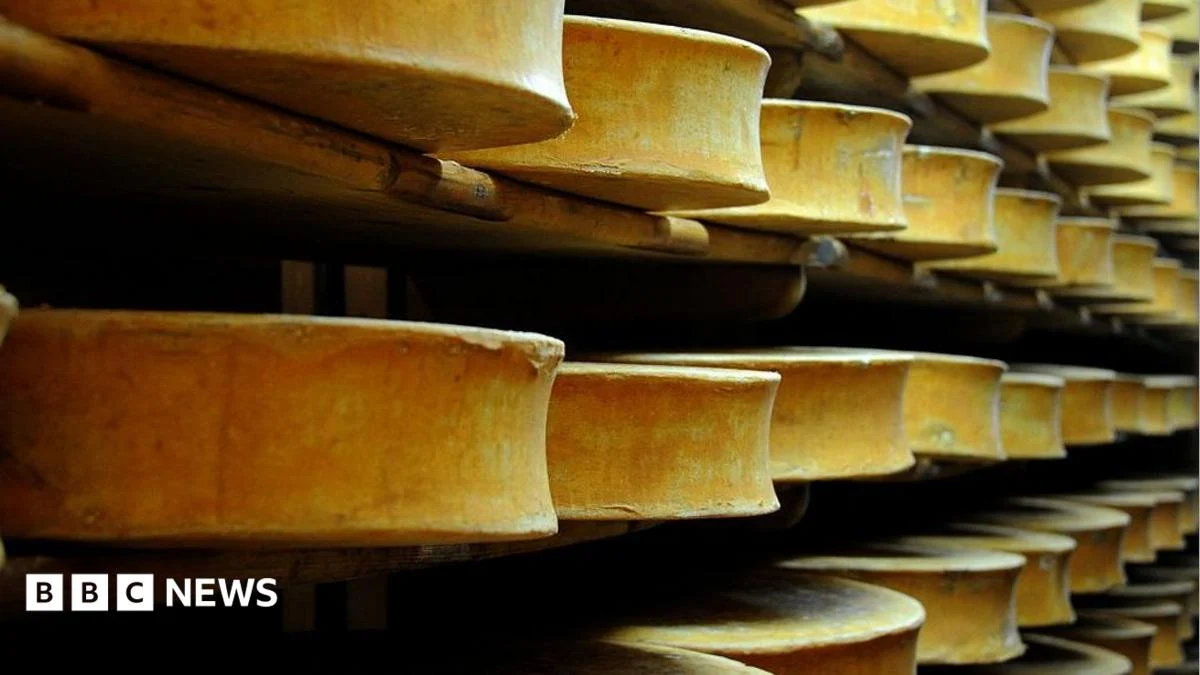
France is adapting its renowned cheese-making traditions in response to environmental challenges. A prolonged drought has led to a relaxation of some strict cheese-making rules, specifically regarding where herds can graze. This measure allows makers of several prominent French cheeses to obtain waivers, addressing the critical shortage of grass for their animals.
This adjustment highlights the impact of climate conditions on deeply rooted agricultural practices and cultural products. The flexibility shown by authorities aims to support the continued production of iconic cheeses despite adverse weather.
Key Facts
- France has relaxed strict cheese-making rules.
- The relaxation follows a prolonged drought.
- Waivers are for where herds graze.
- The waivers are due to a lack of grass.
- Makers of some famous French cheeses are affected.
How Does Drought Impact Cheese Production?
The prolonged drought in France directly affects the feed available for livestock, a crucial element in traditional cheese production. When natural pastures lack sufficient grass, herds cannot graze in their usual designated areas. This shortage impacts the diet of the animals, which in turn can influence the quality and characteristics of the milk they produce. Traditional cheese-making often relies on specific diets and grazing patterns to achieve the unique flavors and textures associated with certain appellations. Relaxing cheese-making rules by granting waivers for grazing locations is a direct response to this environmental challenge, aiming to maintain production despite the scarcity of natural fodder.
Who Is Affected by These Changes?
Makers of some of France’s most famous cheeses are the primary beneficiaries of these relaxed cheese-making rules. These producers often operate under stringent regulations that dictate various aspects of their production, including the origin and diet of their herds. The waivers provide necessary flexibility, allowing them to adapt their grazing practices to current environmental conditions without compromising their ability to produce cheese under their protected designations. This adaptation is essential for the livelihoods of these producers and for the continued availability of these celebrated food products on the market, ensuring that iconic French cheeses can still be made even during periods of drought and grass shortages.
What We Know — and What We Don’t
Verified by the source:
- France has relaxed strict cheese-making rules.
- The reason for the relaxation is a prolonged drought.
- The relaxation includes waivers for herd grazing locations.
- The waivers are necessary due to a lack of grass.
- Some of France’s famous cheese makers are receiving these waivers.
Still unconfirmed:
- The specific names of the famous cheeses or regions affected.
- The duration or specific terms of the waivers.
- The exact number of cheese makers receiving waivers.
- The long-term implications of these changes on cheese quality or tradition.
- Whether similar measures have been implemented in previous drought periods.
Why It Matters
This development underscores the vulnerability of traditional food systems to climate change. The need to adapt established cheese-making rules highlights how environmental shifts can compel even deeply ingrained cultural practices to evolve. For consumers, it signals potential shifts in the production methods of beloved French cheeses, while for producers, it represents a necessary adaptation to safeguard their craft and livelihoods against increasing ecological pressures.
What To Watch
Observers will be looking to see if these temporary waivers become a more permanent feature or if further adaptations to traditional cheese-making processes will be required in response to ongoing climate challenges.