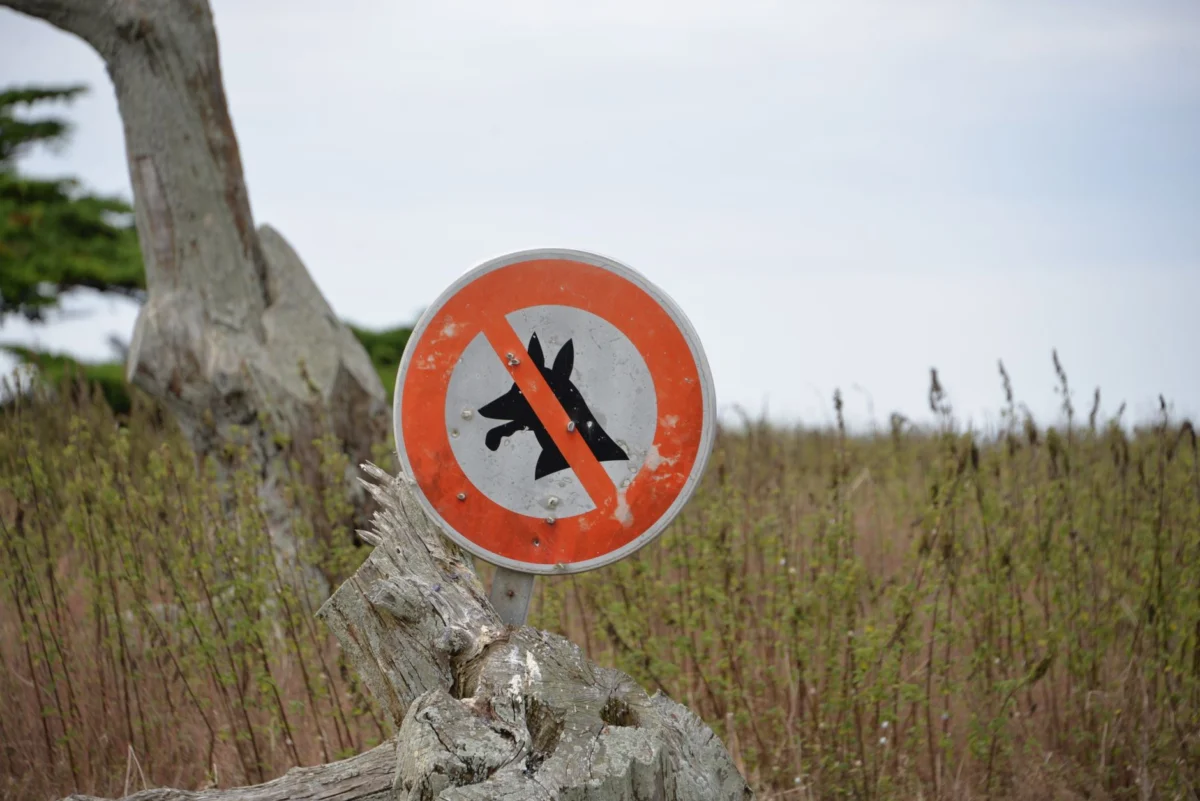
At the Lollapalooza Paris stage, a lone water bottle glistened on the concrete while a sign reading “No Alcohol Served – Red Heat Alert” loomed over the crowd. The temperature that day hit 42 °C (108 °F), the hottest reading in the capital since records began.
France has officially prohibited the sale and consumption of alcohol at outdoor music festivals and other mass‑gathering events after the government declared a red heat‑wave alert on June 20. The restriction applies to venues with more than 1,000 attendees and will stay in place until the alert is lifted.
Why the ban matters
Heat‑related illnesses have surged across the continent. The European Centre for Disease Prevention and Control reported a 27 % increase in emergency calls for dehydration and heat stroke during the past week. Alcohol amplifies dehydration, raises body temperature, and impairs judgment—making a summer fest a potential health‑risk laboratory.
“When people mix alcohol with extreme heat, the body can’t regulate temperature effectively,” explained a health advisory issued by the French Ministry of Health, which cited scientific studies linking alcohol consumption to higher core body temperatures.
Who is affected?
The ban targets concert promoters, festival organizers, and street‑café owners who normally serve drinks to throngs of tourists and locals. A spokesperson for the French Ministry of Culture confirmed that the rule does not extend to indoor venues, private parties, or restaurants with air‑conditioning.
Major events such as the Vieilles Charrues and Francofolies festivals have already canceled evening wine sales, offering free water stations and shaded rest areas instead.
Heatwave across Europe
France is not alone. Spain, Italy, and Germany have all issued heat alerts, and meteorologists predict the sweltering pattern could persist through the summer solstice. Reuters noted that the heatwave is driven by a stagnant high‑pressure system pulling hot air from North Africa.
For residents, the ban may feel like an inconvenience, but the broader picture is stark: climate‑related disruptions are reshaping public‑policy playbooks. The climate‑environment beat is seeing more “heat‑action” plans, from water‑distribution mandates to curfews on outdoor activities.
What happens next?
Authorities will monitor temperature trends hourly. If the red alert drops to orange, a partial lift could allow limited alcohol sales under strict monitoring. Until then, festival‑goers are urged to stay hydrated, seek shade, and heed on‑site medical teams.
As Europe wrestles with a new kind of summer, the outdoor alcohol ban serves as a barometer of how governments balance public health, cultural traditions, and a changing climate.
Will similar measures spread to other sectors—like open‑air markets or beach bars—if the heat persists? The answer will shape the summer experience for millions across the continent.