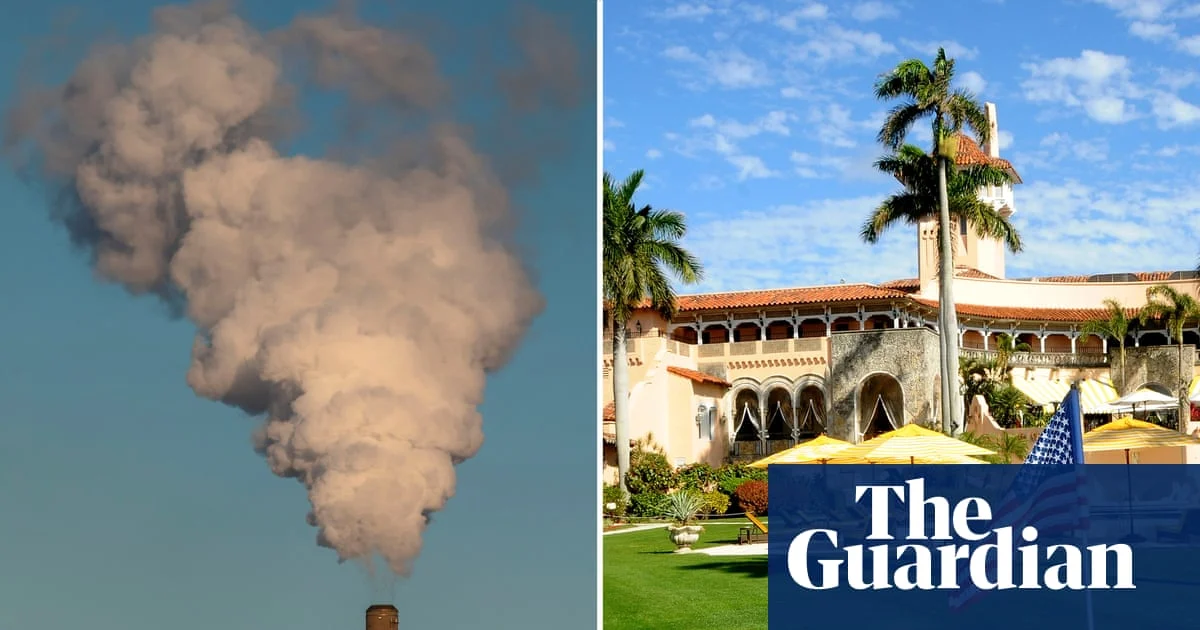
A new report alleges that the fossil fuel industry received an estimated $190 billion in tax breaks and subsidies over the next decade after responding to a pre-election call from Donald Trump for major campaign donations. The report, released by Senator Sheldon Whitehouse and Senate Democratic leader Chuck Schumer, claims these benefits came as taxpayers were left to cover rising energy costs and pollution-related public health expenses.
The document outlines what the senators describe as an expansive influence of fossil fuel interests over the Trump administration, linking political contributions to policy outcomes. The findings suggest that a so-called ‘bargain’ between the president and major polluters shifted financial burdens onto American households.
Key Facts
- Fossil fuel industry secured an estimated $190 billion in tax breaks over the next decade, according to a new report.
- The report was released by Senator Sheldon Whitehouse and Senate Democratic leader Chuck Schumer.
- Taxpayers may face higher energy bills due to the subsidy package.
- The report claims the industry responded to a pre-election call from Donald Trump for campaign donations.
- Senators describe the arrangement as a bargain benefiting major polluters at public expense.
What’s in the Report
The report traces connections between campaign contributions and regulatory decisions favorable to energy companies. It highlights how fossil fuel firms expanded their influence during the Trump administration, securing policies that reduced oversight and increased subsidies. These actions, according to the senators, directly contributed to cost increases for consumers.
The $190 billion figure represents a projection stretching over ten years, covering both direct tax incentives and indirect financial support through regulatory rollbacks. Analysts note that such arrangements often obscure long-term economic and environmental liabilities borne by the public.
Who Is Affected
American households appear to be the primary group impacted by rising energy costs tied to these subsidies. Public health systems may also face increased strain from pollution-related illnesses linked to expanded fossil fuel operations.
The report suggests that low-income communities and rural areas dependent on public services are especially vulnerable, though specific data on demographic breakdowns remains limited in the findings.
What We Know — and What We Don’t
Verified by the source:
- The fossil fuel industry received an estimated $190 billion in tax breaks over the next decade.
- Senator Sheldon Whitehouse and Chuck Schumer released the report.
- The report describes a connection between Trump’s donation appeal and industry benefits.
- Taxpayers are expected to face higher energy bills.
Still unconfirmed:
- Independent verification of the $190 billion estimate.
- Direct evidence linking individual donations to specific policy changes.
- White House or industry responses to the report’s claims.
Why It Matters
This report touches on a fundamental tension in U.S. governance—how private sector influence intersects with public accountability. Understanding these dynamics helps readers evaluate whether policy decisions align with broader societal interests or narrow economic gains.
Metra Energy Exchange covers war-geopolitics and economy-markets developments shaping global resource politics.
What To Watch
Readers should monitor upcoming congressional hearings on energy subsidies and campaign finance reform. Additional reporting from independent sources may shed light on whether claimed financial impacts materialize in upcoming budget cycles.